Drip irrigation is an efficient and precise method of watering crops that offers numerous advantages over traditional irrigation techniques. Whether you’re a farmer or a gardener, understanding how to use drip irrigation properly is crucial to maximize its benefits. In this article, we will guide you through the key steps of using drip irrigation effectively.
Step 1: Designing Your Drip System
The first step is to design your drip irrigation system. Consider the layout of your field or garden, the water source, and the specific needs of your plants. Determine the spacing of the drip lines, the number and placement of emitters, and the mainline size based on your water pressure and flow requirements. Consulting with irrigation experts or utilizing online resources can assist you in creating an efficient and customized system design.
Step 2: Gather the Necessary Components
Next, gather all the required components for your drip irrigation system. These may include drip lines, emitters, connectors, valves, filters, pressure regulators, and a timer or controller. Ensure that all the components are of high quality and suitable for your specific needs.
Step 3: Install the System
Begin by preparing the area where the drip lines will be laid. Remove any weeds, debris, or obstacles that could interfere with the installation. Lay the mainline along the desired path, connecting it to the water source and adding necessary valves and filters. Then, attach the drip lines to the mainline, making sure they are securely connected.
Step 4: Place the Emitters
Position the emitters at the base of each plant, ensuring they are placed within the root zone. The spacing between emitters will depend on the water requirements of your plants and the soil type. Ensure that the emitters are properly inserted into the drip lines and that they are delivering water directly to the plants’ root zones.
Step 5: Test and Adjust
Before fully relying on your drip irrigation system, it’s important to test and adjust its functionality. Turn on the water supply and inspect the system for any leaks, blockages, or uneven water distribution. Adjust the flow rate, pressure regulators, or emitter spacing as needed to ensure uniform water delivery to all plants.
Step 6: Monitor and Maintain
Regular monitoring and maintenance are essential for the optimal performance of your drip irrigation system. Check the system regularly for clogged emitters, damaged lines, or any signs of malfunction. Clean filters and flush the system periodically to remove any debris or sediment that may accumulate over time.
Step 7: Adapt to Changing Needs
As your plants grow and their water requirements change, make necessary adjustments to your drip irrigation system. Increase or decrease the flow rate, adjust the emitter placement, or modify the watering schedule to accommodate the evolving needs of your crops or garden.
Step 8: Combine with Mulching
To further enhance the efficiency of your drip irrigation system, consider incorporating organic mulch around the base of plants. Mulching helps retain soil moisture, reduce evaporation, and suppress weed growth. It complements the water-saving benefits of drip irrigation and promotes healthier plant growth.
By following these steps, you can effectively utilize drip irrigation to optimize water usage, enhance plant health, and maximize crop yields. Remember to continuously monitor and maintain your system to ensure its long-term performance and make necessary adjustments based on the specific requirements of your plants. Drip irrigation offers a reliable and sustainable solution for efficient watering, contributing to a more productive and environmentally-friendly approach to agriculture and gardening.
-

Mabiya – Flat Egg box
R0.00 -
Mabiya – Unhatched eggs box
R0.00 -
Mabiya Poultry – Egg tray
R0.00 -

Membership Fee for GroChick Hatchery Network
R24,000.00 -
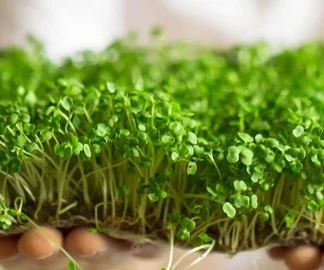
Microgreens Broccoli – 1kg
R500.00 -
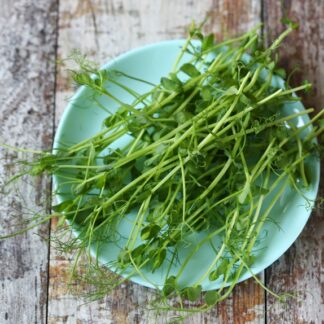
Microgreens Green Peas – 1kg
R500.00 -
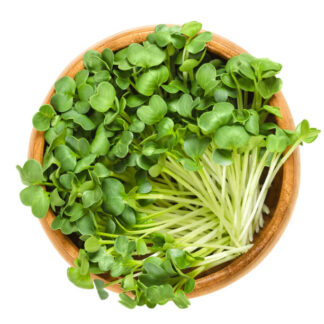
Microgreens Radish – 1kg
R500.00 -
Microgreens Sunflower – 1kg
R500.00 -
Mixed Cabbage
R2.50 – R5.00
Here are some interesting articles to read about drip irrigation
- The Economic Benefits of Drip Irrigation in Agriculture
- The Role of Drip Irrigation in Sustainable Agriculture
- Understanding the Environmental Impact of Drip Irrigation
- 10 Interesting Facts About Drip Irrigation
- Info about Farming with Drip Irrigation
- How to Use Drip Irrigation?
- Is Drip Irrigation Exported?
- Drip Irrigation Packaging
- 5 Benefits for Gardening and Farming with Drip Irrigation
- How to Install Drip Irrigation?
- Is Drip Irrigation Good for Vegetable Production?
- Farming Benefits of Drip Irrigation
- What Happens When You Farm with Drip Irrigation?