Posted on

Fertile eggs explained

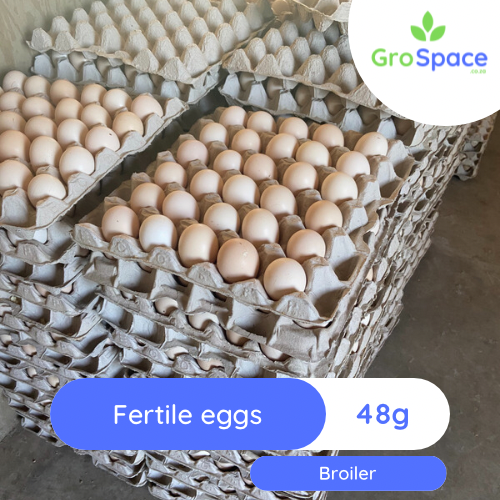
GroSpace - Broiler fertile eggs

Fertile broiler eggs

When it comes to broiler farming, buying the correct fertile eggs is crucial for several reasons:

  1. Growth Rate: The size of the chick is influenced by the mass of the egg. By purchasing the right fertile eggs, you ensure that the chicks will have optimal starting conditions for growth.
  2. Uniformity: Uniformity within the flock is essential in broiler farming. Buying the correct fertile eggs helps maintain consistency in the size, weight, and development of the chicks, which contributes to a more uniform flock overall.
  3. Performance: The quality of the fertile eggs directly affects the performance of the broilers. By selecting high-quality eggs, you increase the chances of obtaining healthy chicks with better growth potential and improved feed conversion efficiency.
  4. Genetics: Fertile eggs carry the genetic potential of the parent stock. By purchasing eggs from reputable breeders or suppliers, you can access genetically superior broiler strains, resulting in healthier and more productive birds.
  5. Profitability: Investing in the correct fertile eggs may lead to better production outcomes and improved profitability. By starting with healthy and genetically superior chicks, you set a solid foundation for the entire broiler production cycle.

In summary, buying the correct fertile eggs is important because it directly influences the growth rate, uniformity, genetic potential, performance, and profitability of the broiler flock. It ensures that you start off with the best possible foundation for successful broiler farming.

Fertile eggs VS Table eggs

Table eggs and fertile eggs serve different purposes and have distinct characteristics:

Table Eggs:

  1. Purpose: Table eggs are primarily intended for human consumption.
  2. Fertilization: Table eggs are typically unfertilized, meaning they do not contain a developing embryo.
  3. Culinary Use: Table eggs are commonly used in cooking, baking, and various culinary preparations.
  4. Shelf Life: Unfertilized table eggs have a longer shelf life compared to fertile eggs since they do not contain an embryo.
  5. Availability: Table eggs are widely available in grocery stores and supermarkets for consumers to purchase.

Fertile Eggs

  1. Purpose: Fertile eggs are used for breeding and hatching to produce chicks.
  2. Fertilization: Fertile eggs are fertilized by a rooster, containing a developing embryo within the eggshell.
  3. Incubation: Fertile eggs are typically incubated under specific temperature and humidity conditions to allow the embryo to develop and hatch.
  4. Hatchability: Fertile eggs have the potential to hatch into chicks if properly incubated.
  5. Poultry Production: Fertile eggs are essential for maintaining and expanding poultry flocks, whether for meat production or egg-laying purposes.

It’s important to note that while fertile eggs can still be consumed as table eggs, they may have a slightly different taste due to the presence of a developing embryo. Additionally, the nutritional composition of fertile eggs and table eggs is generally similar, although some studies suggest that fertile eggs might have slightly higher levels of certain nutrients.

Ultimately, the choice between table eggs and fertile eggs depends on the intended use and personal preference. If you’re looking for eggs solely for consumption, table eggs are readily available and suitable. However, if you’re interested in poultry breeding or hatching chicks, fertile eggs would be the appropriate choice.

How long are eggs fertile

Fertile eggs, when properly stored and handled, can remain viable for a specific period of time. The viability of fertile eggs depends on various factors, including the breed of the poultry, storage conditions, and handling practices. Here are some general guidelines regarding the viability of fertile eggs:

  1. Hatching Eggs: Fertile eggs that are intended for incubation to hatch into chicks have a limited shelf life. It is recommended to use these eggs for incubation purposes within 7 to 10 days from the date they are laid. As time passes, the fertility rate and hatchability of the eggs tend to decline.
  2. Breeding Eggs: Fertile eggs used for breeding purposes, such as maintaining or expanding a poultry flock, have a longer shelf life compared to hatching eggs. These eggs can remain viable for up to 2 to 3 weeks, given proper storage conditions.

It’s important to note that storing fertile eggs correctly is crucial for preserving their viability. Some key considerations for egg storage include:

  • Temperature: Fertile eggs should be stored at a consistent temperature between 50 to 68°F (10 to 20°C). Avoid extreme temperature fluctuations as they can negatively impact egg viability.
  • Humidity: Maintain moderate humidity levels, around 70 to 75%, to prevent excessive moisture loss or condensation on the eggshell, which can compromise egg quality.
  • Turning: If storing fertile eggs for an extended period, it is advisable to periodically rotate or turn the eggs gently to prevent the yolk from settling in one position, which can affect hatchability.
  • Cleanliness: Ensure that the fertile eggs are free from any dirt, debris, or contaminants. Dirty eggs should be cleaned with care using appropriate methods to maintain egg quality.

Remember that these guidelines are general recommendations, and specific recommendations from breeders or experts in poultry farming should be followed for optimal results.
Posted on

Layer chicken farming for eggs

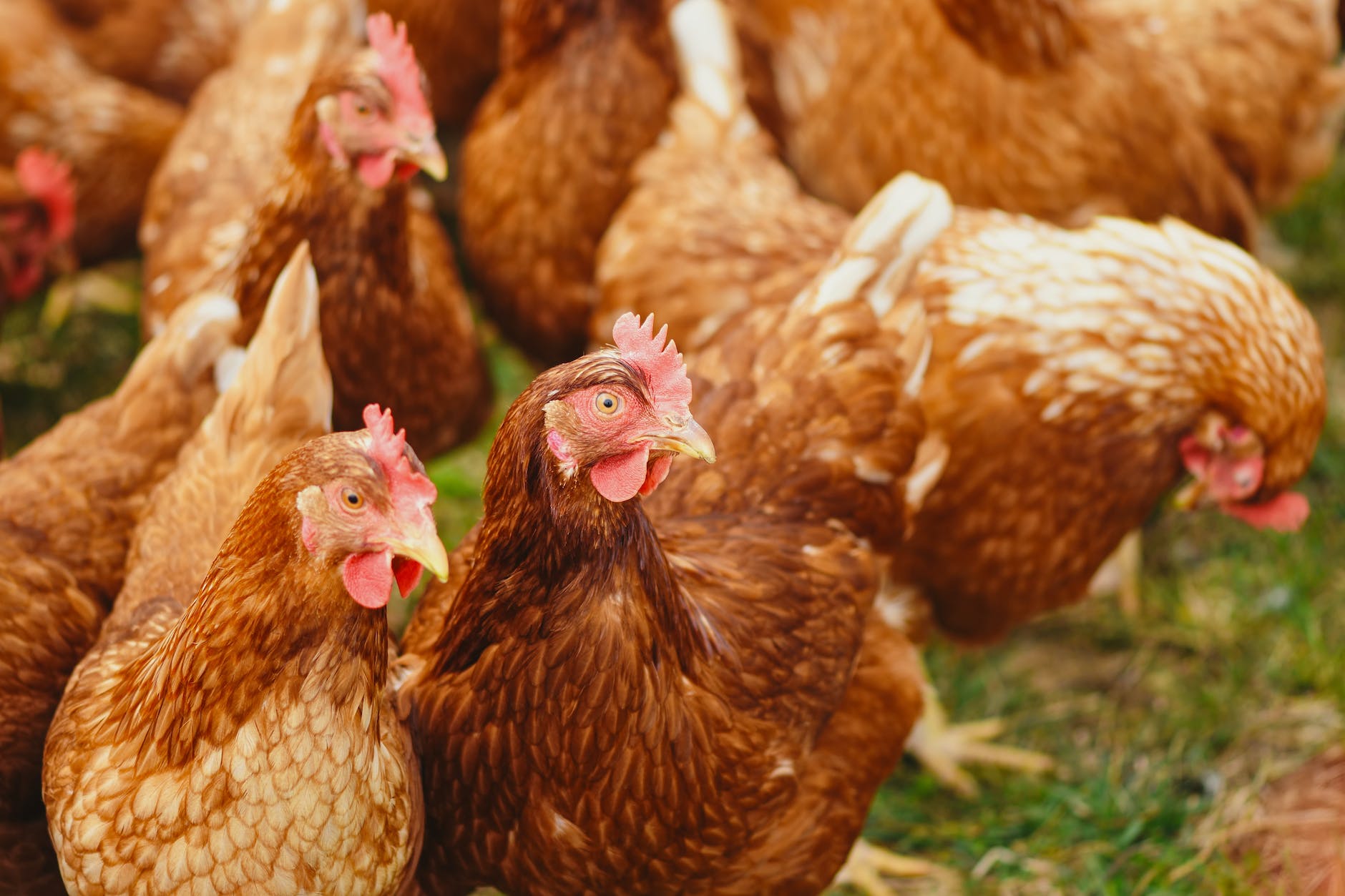
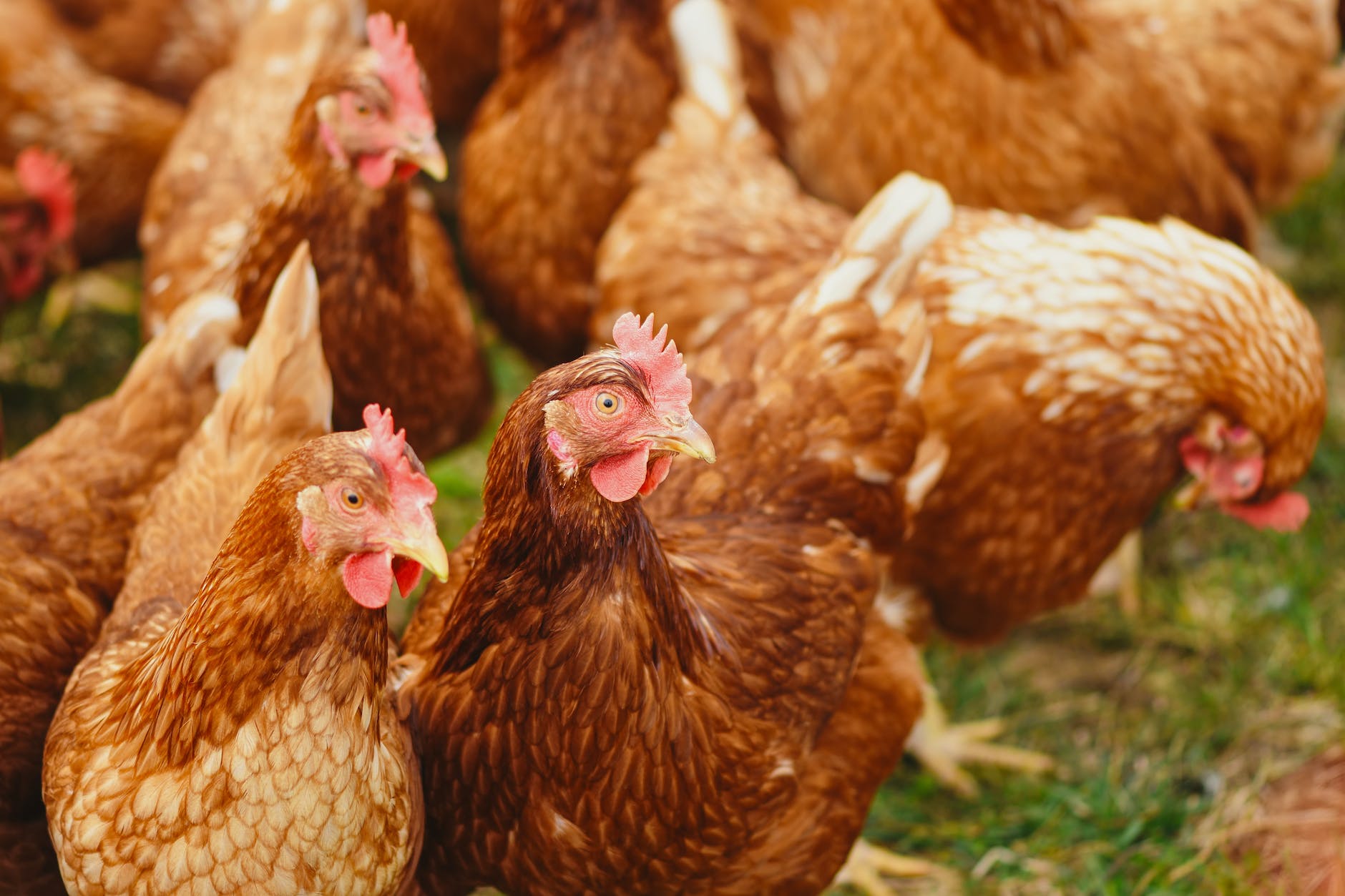
flock of hens on green field

Start a layer chicken farm

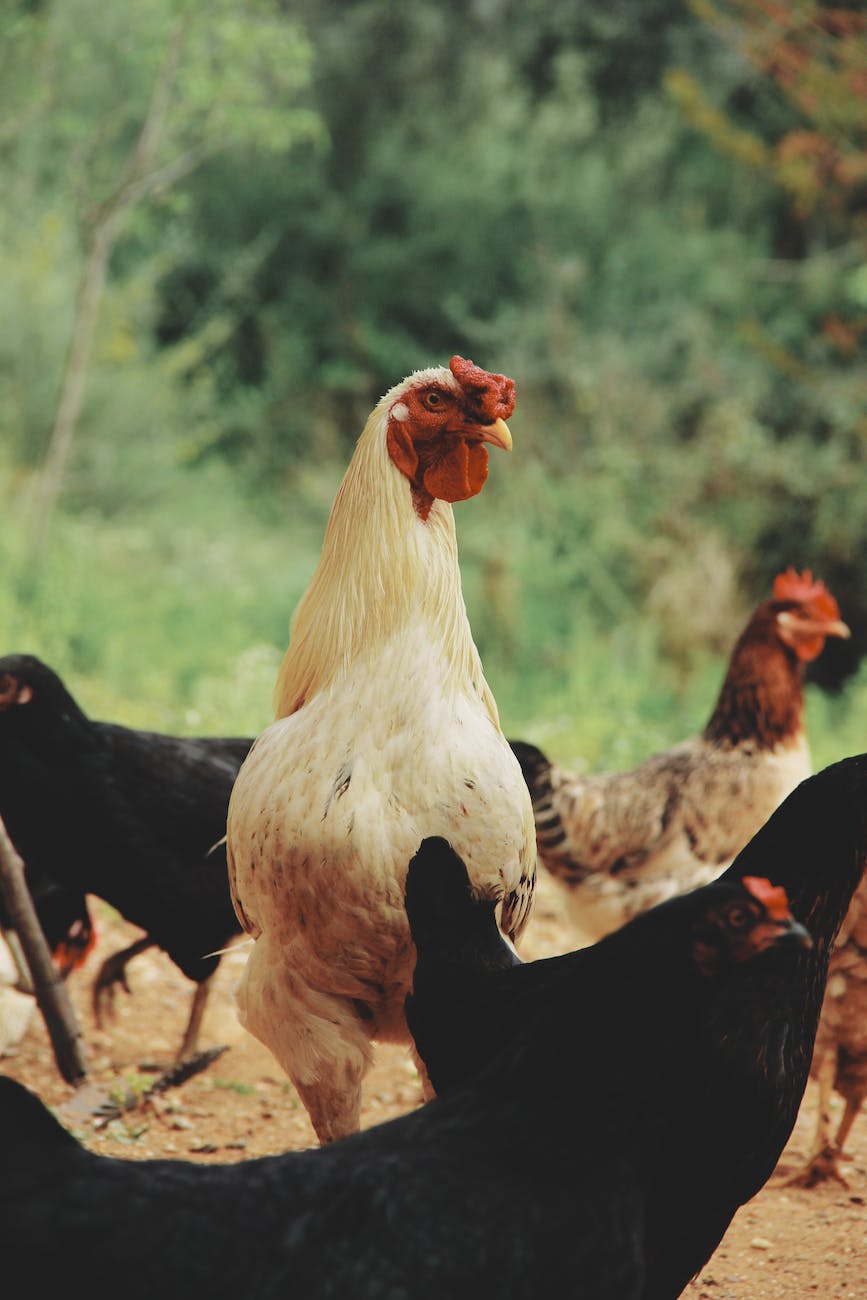
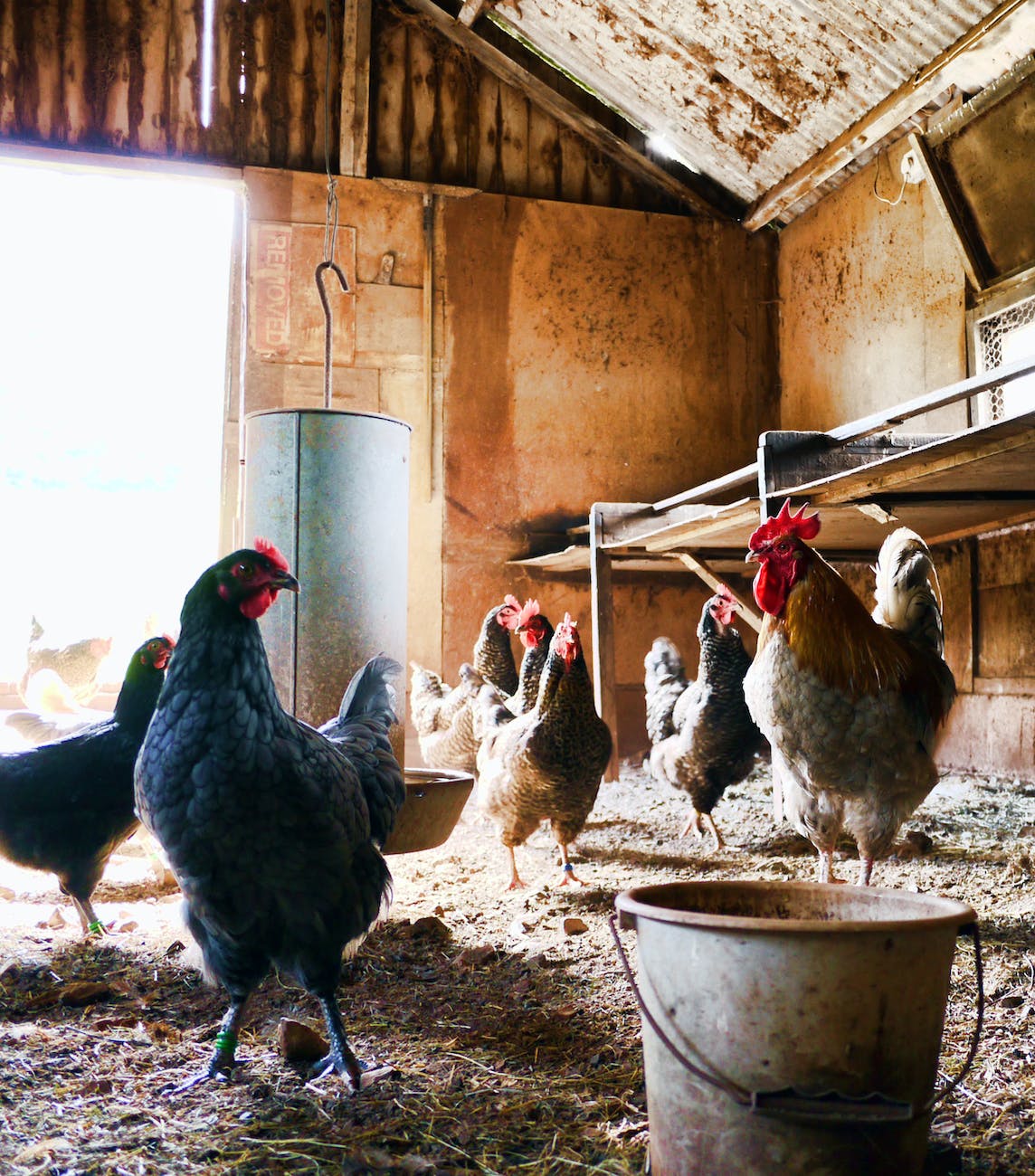
Layer chickens with rooster

Layer chickens explained

Layer Chickens are bred for laying eggs

Layer chickens are a specialized breed of poultry that are raised specifically for egg production. These birds are different from broiler chickens, which are raised for meat production. In this blog post, we will focus on the characteristics of layer chickens, their nutritional requirements, and how to raise them effectively to optimize egg production.

person feeding white chicken outdoorflock of hens on green field

Features of Layer Chickens

Layer Chickens come in many different shapes and sizes

Layer chickens are smaller in size and less muscular than broiler chickens. They are also known to be more docile and less aggressive. The most important characteristic of layer chickens is their egg-laying ability. On average, a healthy layer chicken will lay between 250 to 330 eggs per year. This is significantly more than other breeds of chicken, which typically lay between 200 to 300 eggs per year. The issue with commercial layers however is that commercial layer hens will only lay for 1-2 years, thereafter they tend to drop off. Heritage breeds lay fewer eggs per year but they lay for 5+ years so they lay far more eggs over their lifetime. Their eggs also get bigger as they age whereas the commercial layers will lay large eggs within 10 weeks after point of lay. Point of lay is at 18 weeks.

The egg-laying ability of layer chickens is influenced by a variety of factors, including genetics, nutrition, and environment. Some breeds of layer chickens are more prolific egg-layers than others, and it is important to select the right breed for your specific needs. Two of the most popular breeds for egg production in South Africa are Hyline and Lohmann Brown.

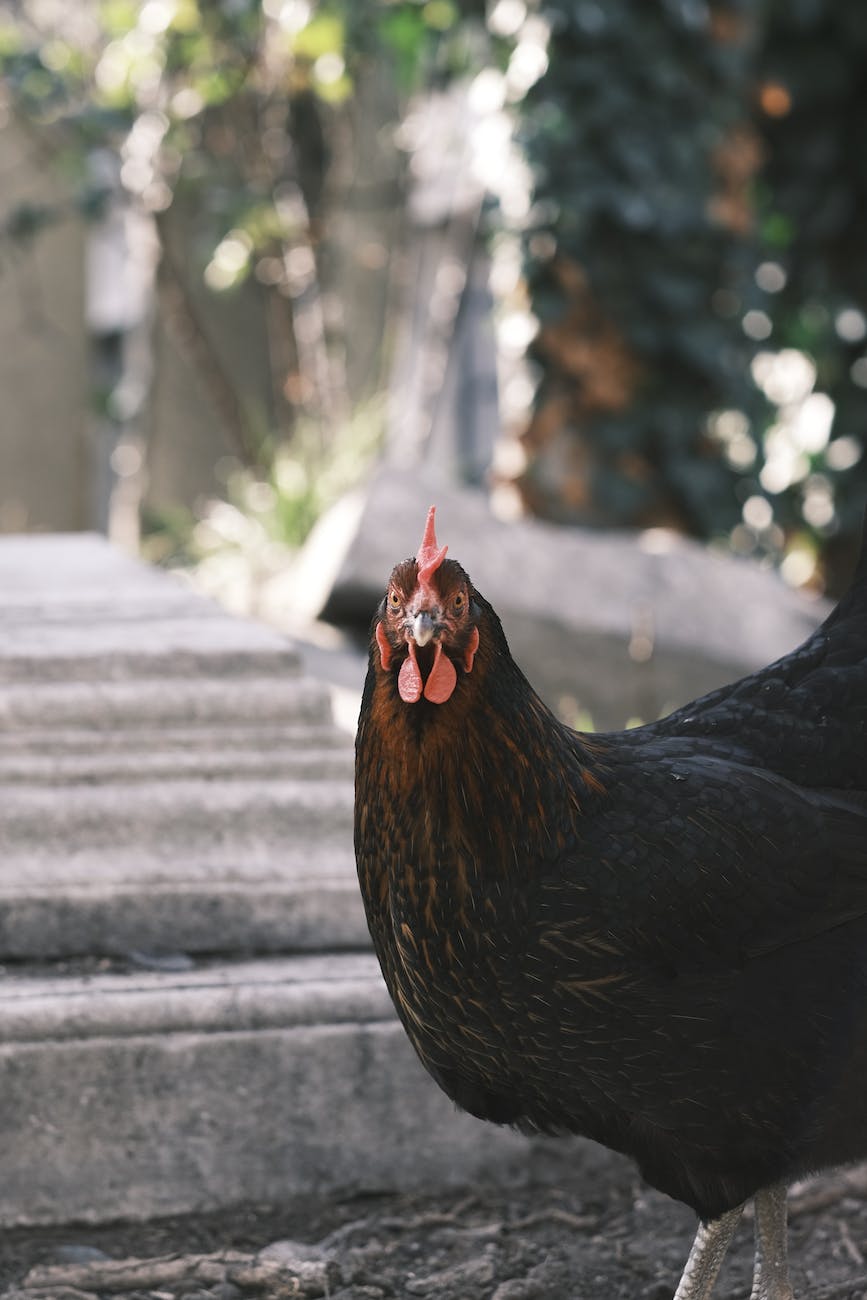
portrait of a layer chicken
crop woman with wicker basket near white hen in coopbrown eggs in brown wicker basket
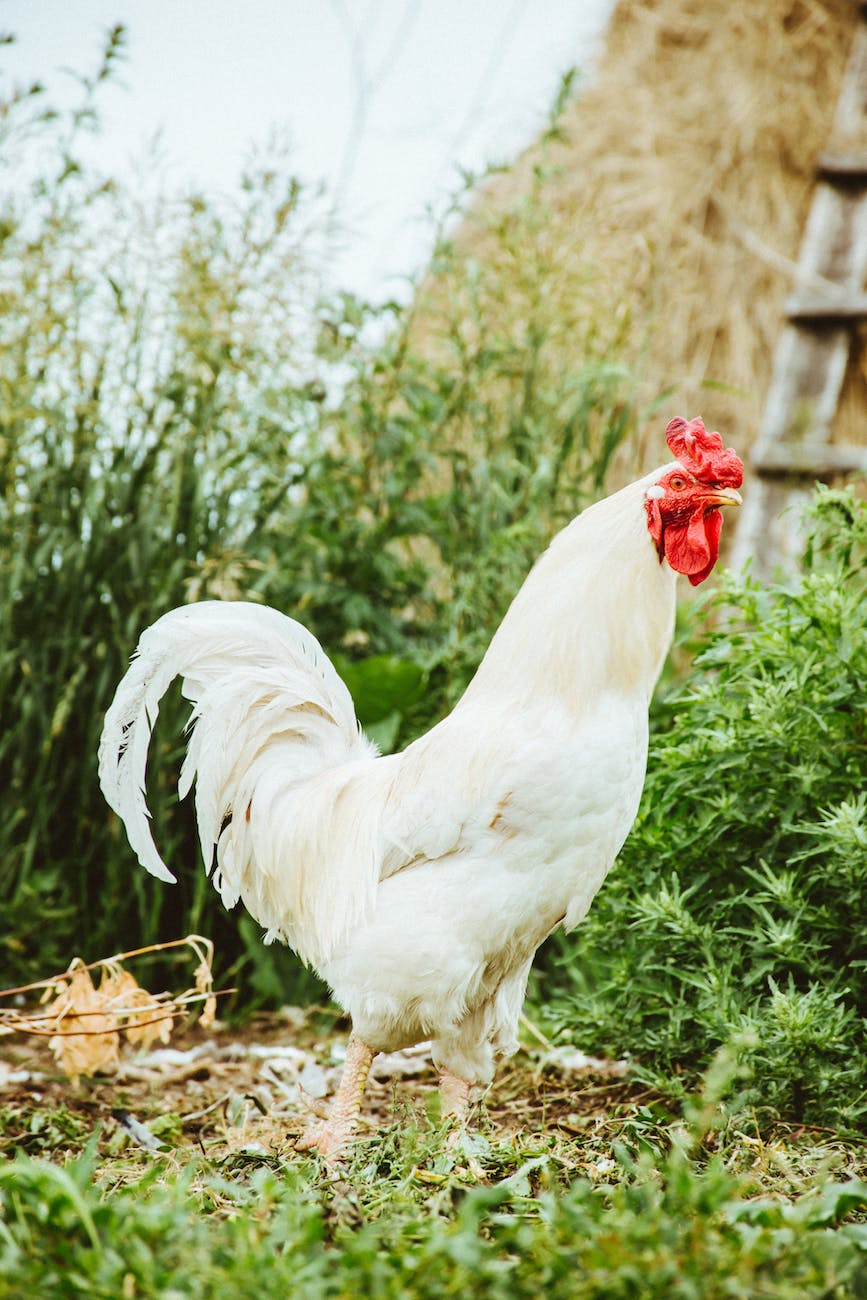
a white chicken on green grass

Nutritional Requirements of Layer Chickens

Layer chickens require a balanced diet

Layer chickens require a balanced diet that is rich in protein, energy, vitamins, and minerals. The primary source of protein for layer chickens is soybean meal, which is commonly used in commercial poultry feed. Other sources of protein include fishmeal, meat and bone meal, and dried insects.

In addition to protein, layer chickens require a source of energy in their diet. This is typically provided in the form of corn or wheat, which are high in carbohydrates. Layer chickens also require a variety of vitamins and minerals to maintain their health and egg-laying ability. These include vitamins A, D, E, and K, as well as calcium, phosphorus, and magnesium.

It is important to provide layer chickens with access to clean, fresh water at all times. Water is essential for egg production, as well as for maintaining the overall health of the birds.

Raising Layer Chickens for Egg Production

Raising layer chickens for egg production requires careful management and attention to detail. The following are some key factors to consider when raising layer chickens:

3 layer chickens and a rooster
coop for layer chicken

Housing for layer chickens

Layer chickens need the following environment:

Clean + Dry + Well-ventilated

The coop should be spacious enough to allow the birds to move around freely, but not small so that they become overcrowded. The coop should also provide protection from predators. Have a look at your area to assess what the potential threats to your birds would be. Remember that microscopic pressure including viruses and bacteria are also dangerous if not managed correctly .

Feeding layer chickens

Layer chickens need the following nutrients:

Protein

Energy

Vitamins

Minerals.

Commercial poultry feed is a convenient but it is not a cost-effective option if you are looking to remain competitive in the market. It is also possible to formulate your own feed using a variety of ingredients.

layer chicken feed
sunlight for layer chicken

Lighting

Layer chickens require a minimum of 14 hours of daylight per day to maintain optimal egg production.

If natural daylight is insufficient, supplemental lighting can be provided in the coop. You should use LED lighting to save on your electricity bill. You should also invest in solar power to become self sustainable.

Nesting Boxes

Layer chickens require nesting boxes

Layer chickens require nesting boxes where they can lay their eggs in a safe and secure environment. The nesting boxes should be lined with clean, dry bedding material, such as straw or wood shavings.

eggs from a layer chicken
healthy layer Chicken

Health

Disease prevention is better than cure in Layer chickens

Layer chickens are susceptible to a variety of diseases and parasites, which can negatively impact their egg-laying ability. It is important to keep the coop clean and free of feces and other debris, and to provide the birds with access to fresh water and clean bedding material.

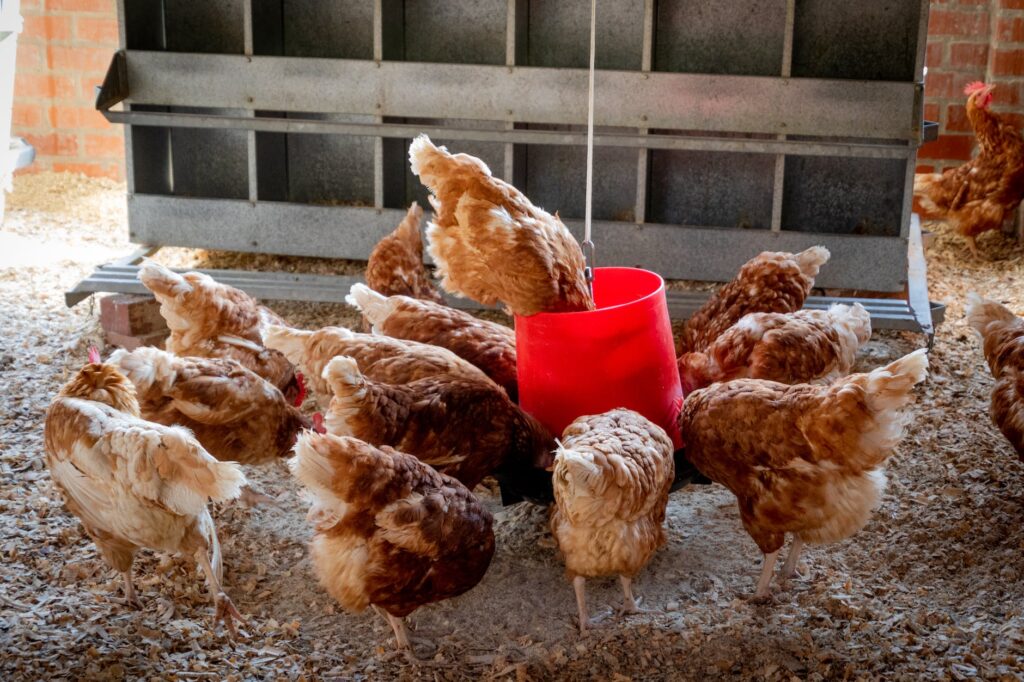
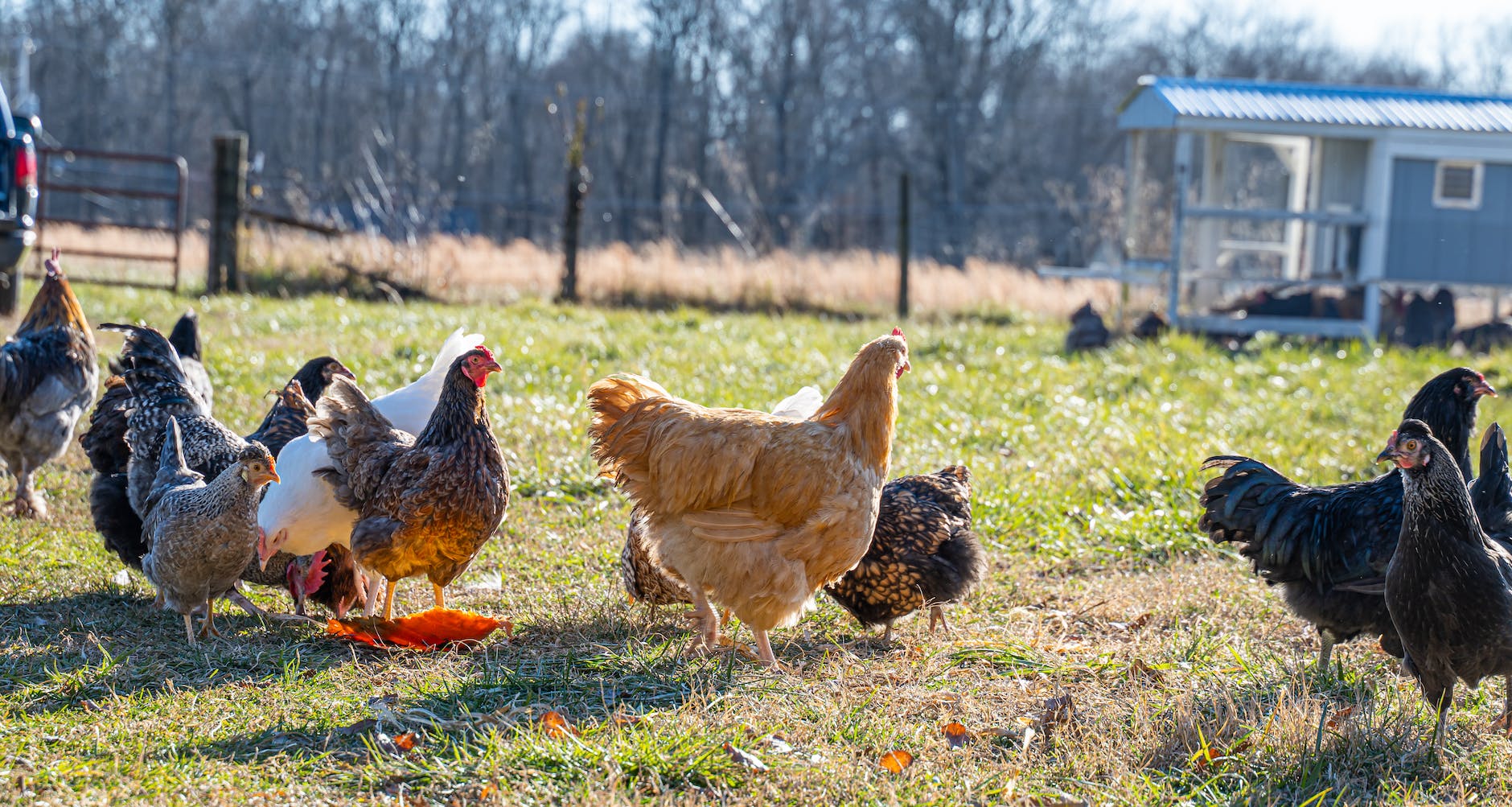
layer chickens in a farm

Hyline and Lohmann Brown Layer Chickens

Hyline and Lohmann Brown are two of the most popular breeds of layer chickens in South Africa.

Hyline chickens are known for their high egg production and ability to lay large brown eggs. They are also known to be hardy and adaptable, making them a good choice for backyard farmers and commercial egg producers alike.

Lohmann Brown chickens are another popular breed for egg production in South Africa. These birds are known for their friendly disposition and easygoing nature. They are also prolific egg-layers, producing up to 320 eggs per year on average.

Both Hyline and Lohmann Brown chickens are hybrid breeds that have been selectively bred for their egg-laying ability. These birds are known to be hardy and adaptable, making them well-suited to a range of environments and management systems. They are also relatively low-maintenance, making them a good choice for novice chicken-keepers.

Commercial Layer hens

P. S. Are you looking to start a layer business? Here are a few tips to focus on:

photo of eggs beside whisker

Determine your market for eggs

Before starting a layer chicken business, you need to determine your target market. You can sell your eggs to local grocery stores, farmers’ markets, restaurants, or directly to consumers. Knowing your target market will help you determine the number of chickens to raise and the amount of eggs you need to produce. Your are not selling Easter eggs after all 😁

Select your breed

As mentioned in the article, Hyline and Lohmann Brown are two popular breeds of layer chickens in South Africa. However, there are other breeds to choose from depending on your location and market demands. Do some research on different breeds of layer chickens and their egg-laying abilities before selecting the breed that suits your needs. Have a look at the Potch Koekoek which has been bred for South Africa. Heritage breeds like the Potch Koekoek are bred for specific characteristics. They are also valuable for breeders. The market is growing quickly.

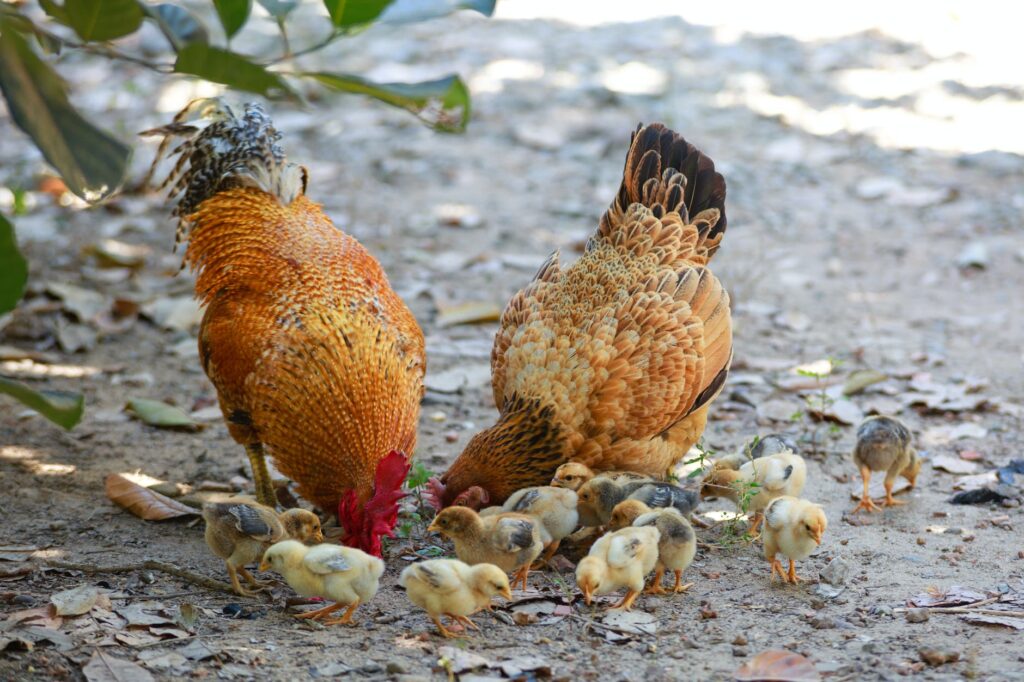
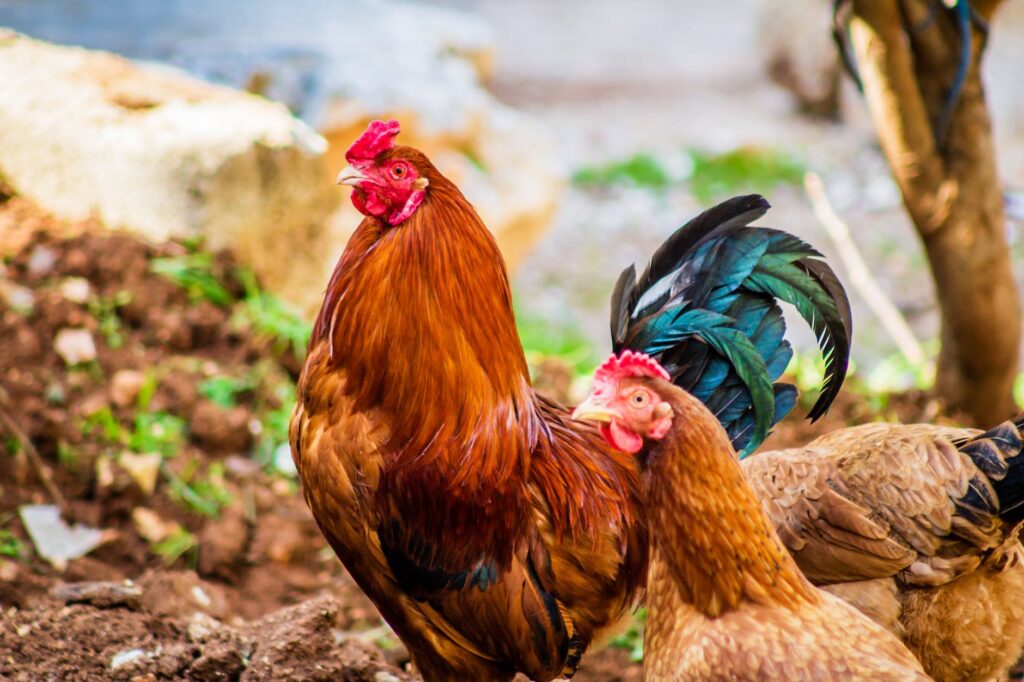
two brown layer chickens and one red rooster
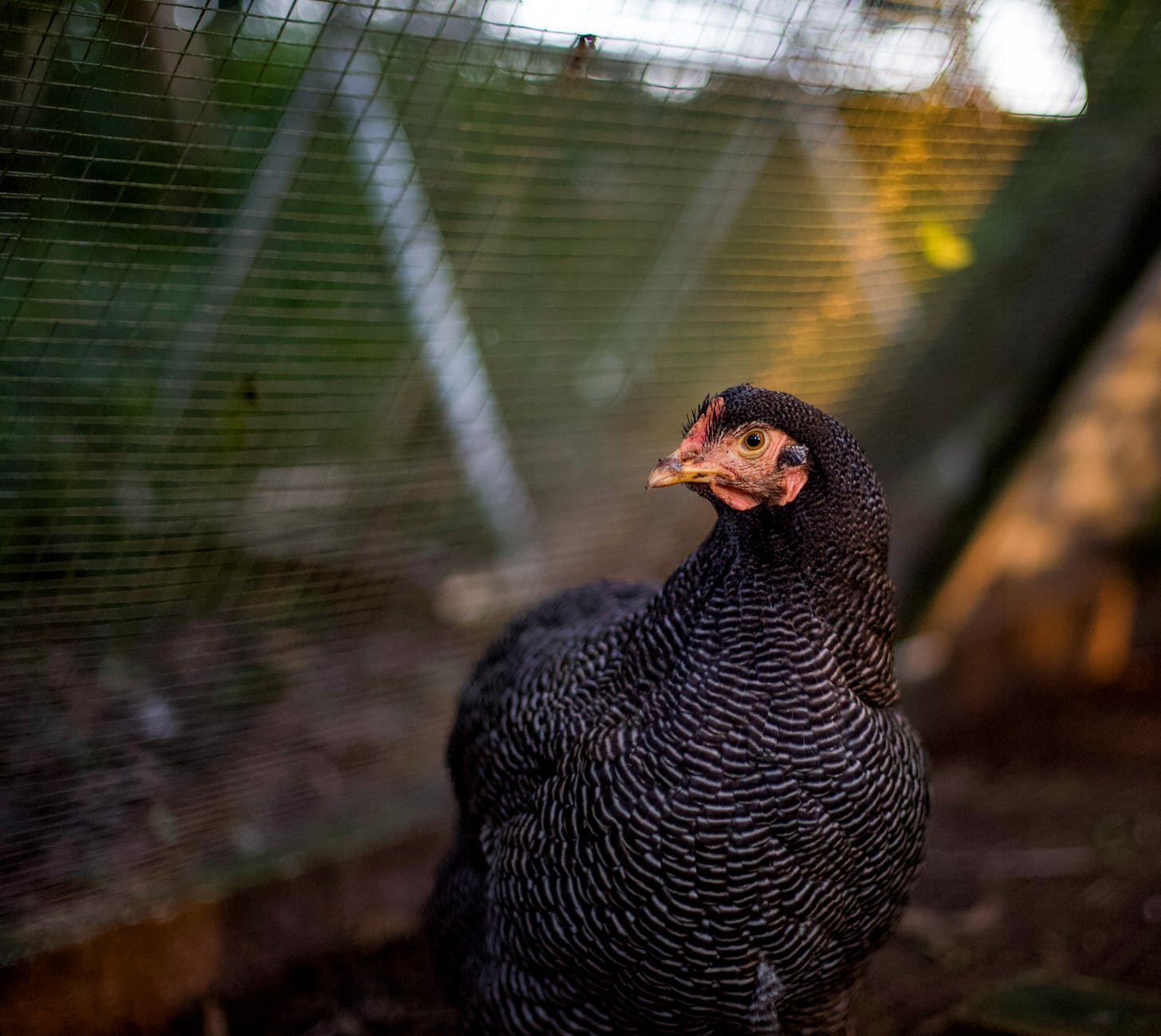
plymouth rock chicken in close up photographybeak blur chicken close up
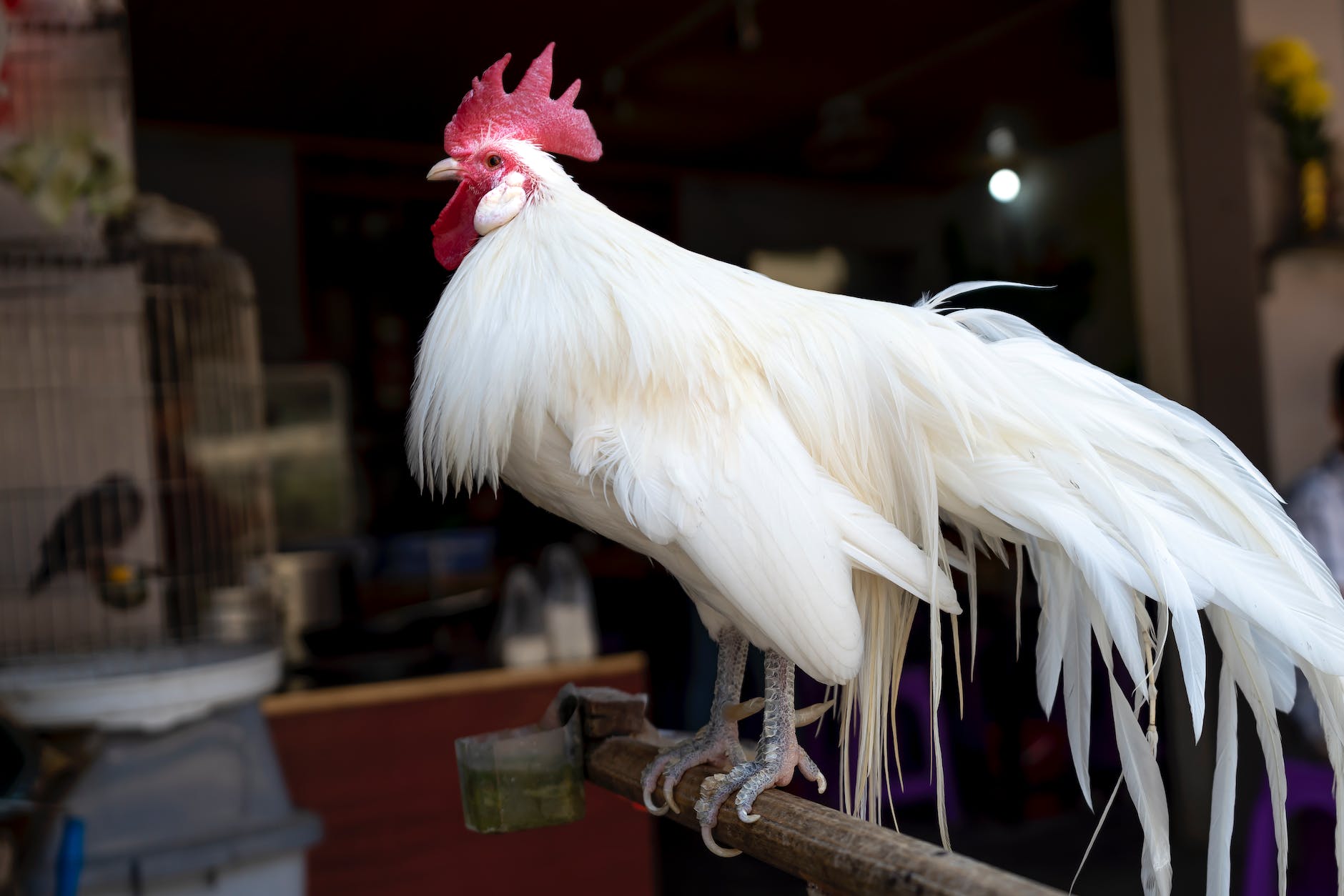
white cock standing on wooden stand near bird in cage

PURCHASE YOUR CHICKENS:

Once you have selected your breed, you can purchase your chickens from a hatchery or a local poultry supplier. It is recommended to buy day-old chicks as they are easier to handle and can be raised to your specific requirements.

Egg collection and storage


Collecting eggs on a regular basis is important to ensure that they are fresh and clean. You can store your eggs in a cool, dry place until you are ready to sell or use them.

a woman holding a basket of eggs from her layer chicken
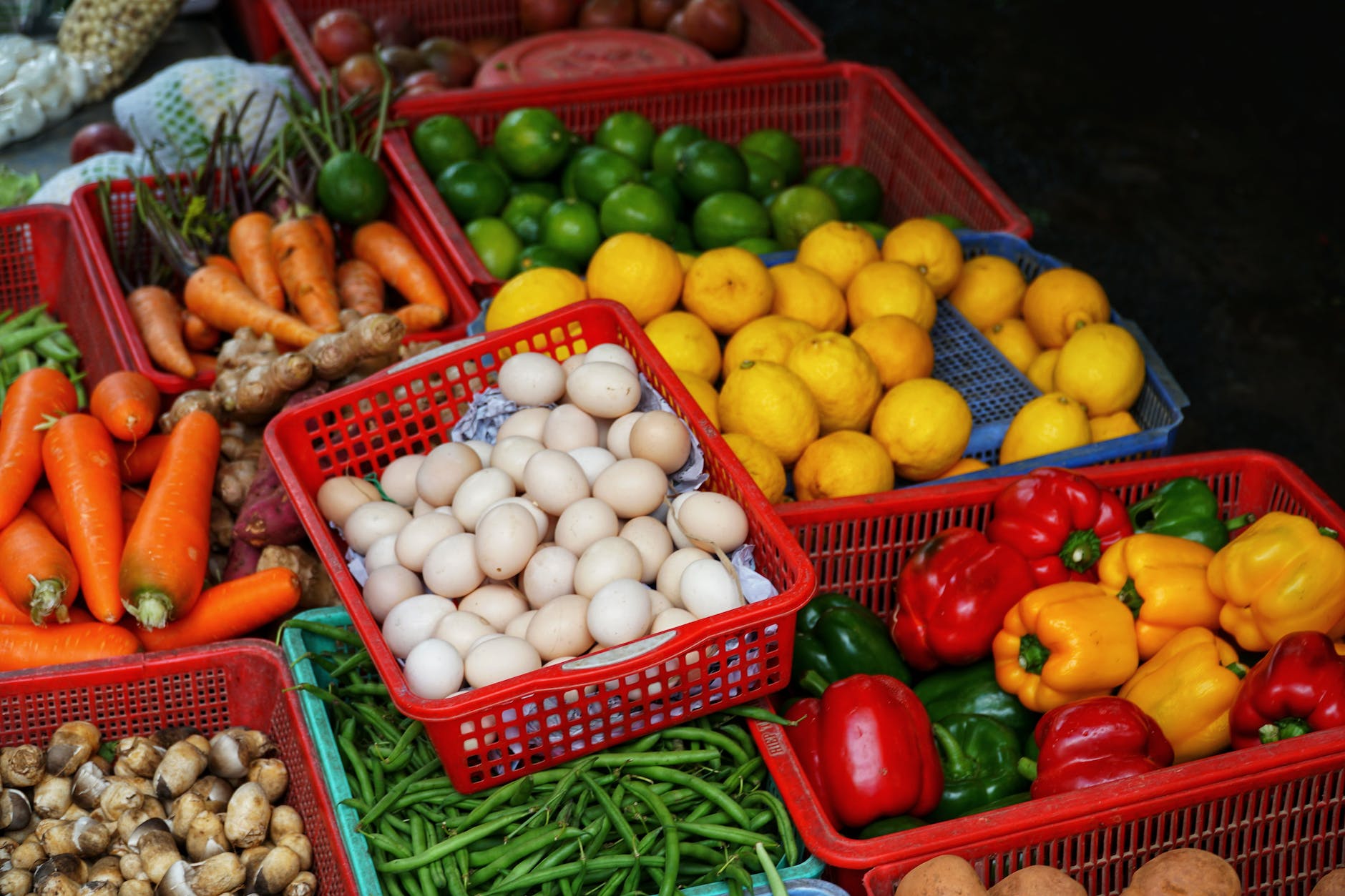
assorted fresh vegetables and eggs in containers in market

Marketing and sales

Once you have started producing eggs, you need to market and sell them. You can sell your eggs to local grocery stores, farmers’ markets, restaurants, or directly to consumers. You should also consider creating a website or social media presence to advertise your product and attract more customers.

Some more interesting info about layer chickens:

By following these steps and providing proper care and attention to your layer chickens, you can build a successful layer chicken business that provides a reliable source of high-quality eggs and enriches your life.

Heritage breeds

In addition to Hyline and Lohmann Brown, there are other breeds of layer chickens that may be suitable for different environments and management systems. Some other popular breeds for egg production include Rhode Island Red, Sussex, and Plymouth Rock aka Potch Koekoek. When selecting a breed, consider factors such as egg-laying ability, temperament, size, and colour of the eggs. What colour are the eggs that you buy?

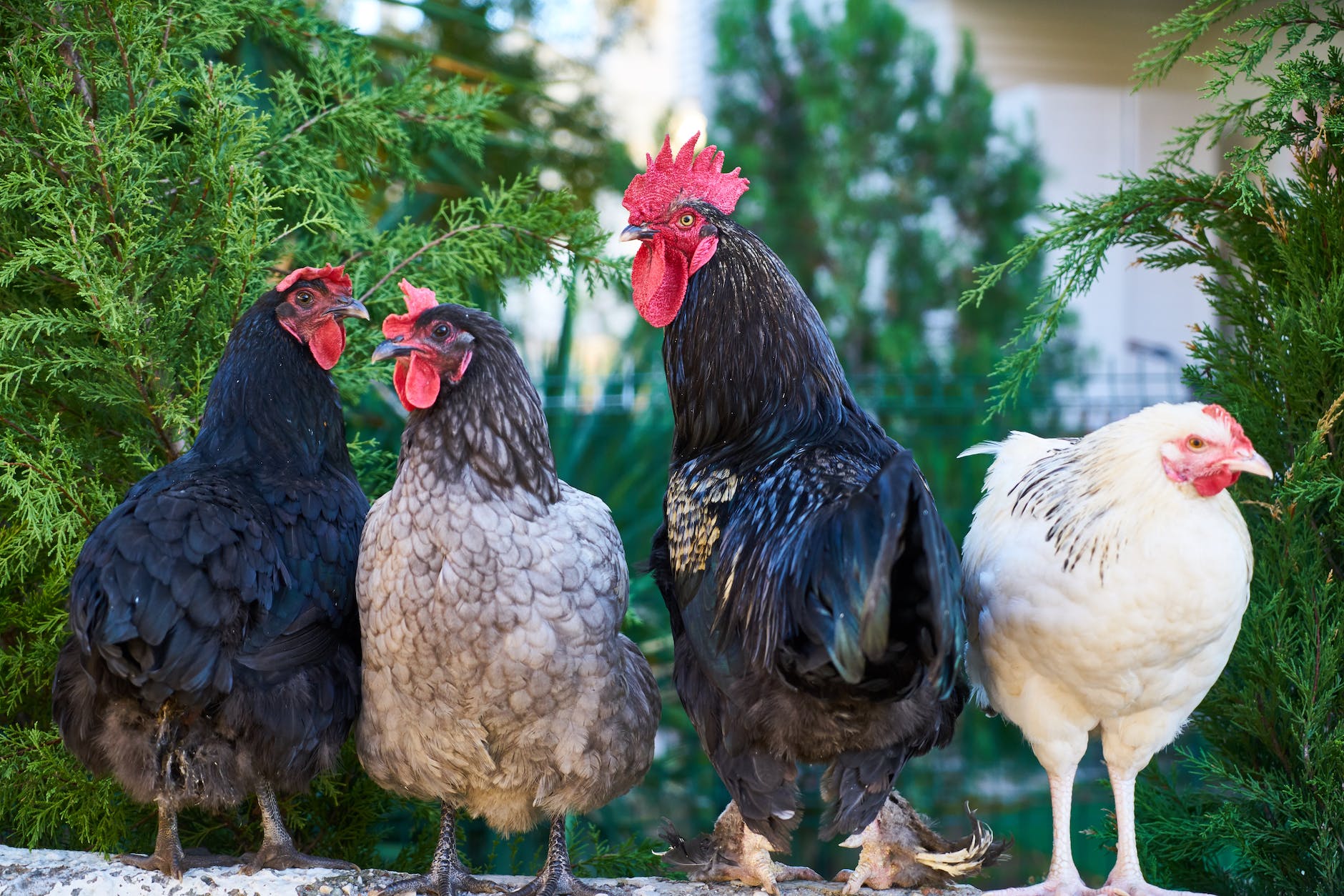
shallow focus photography of black and gray layer chickens
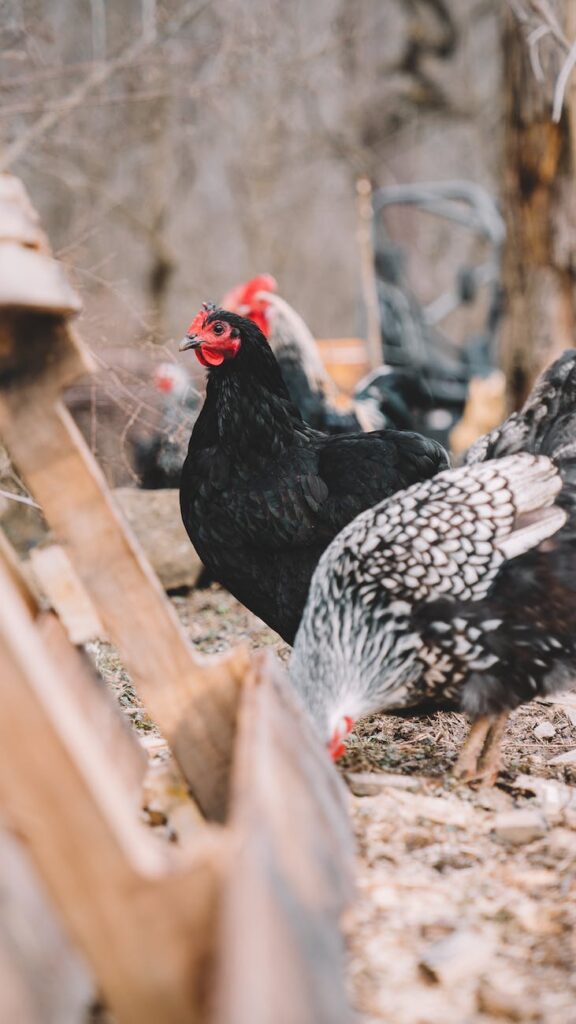
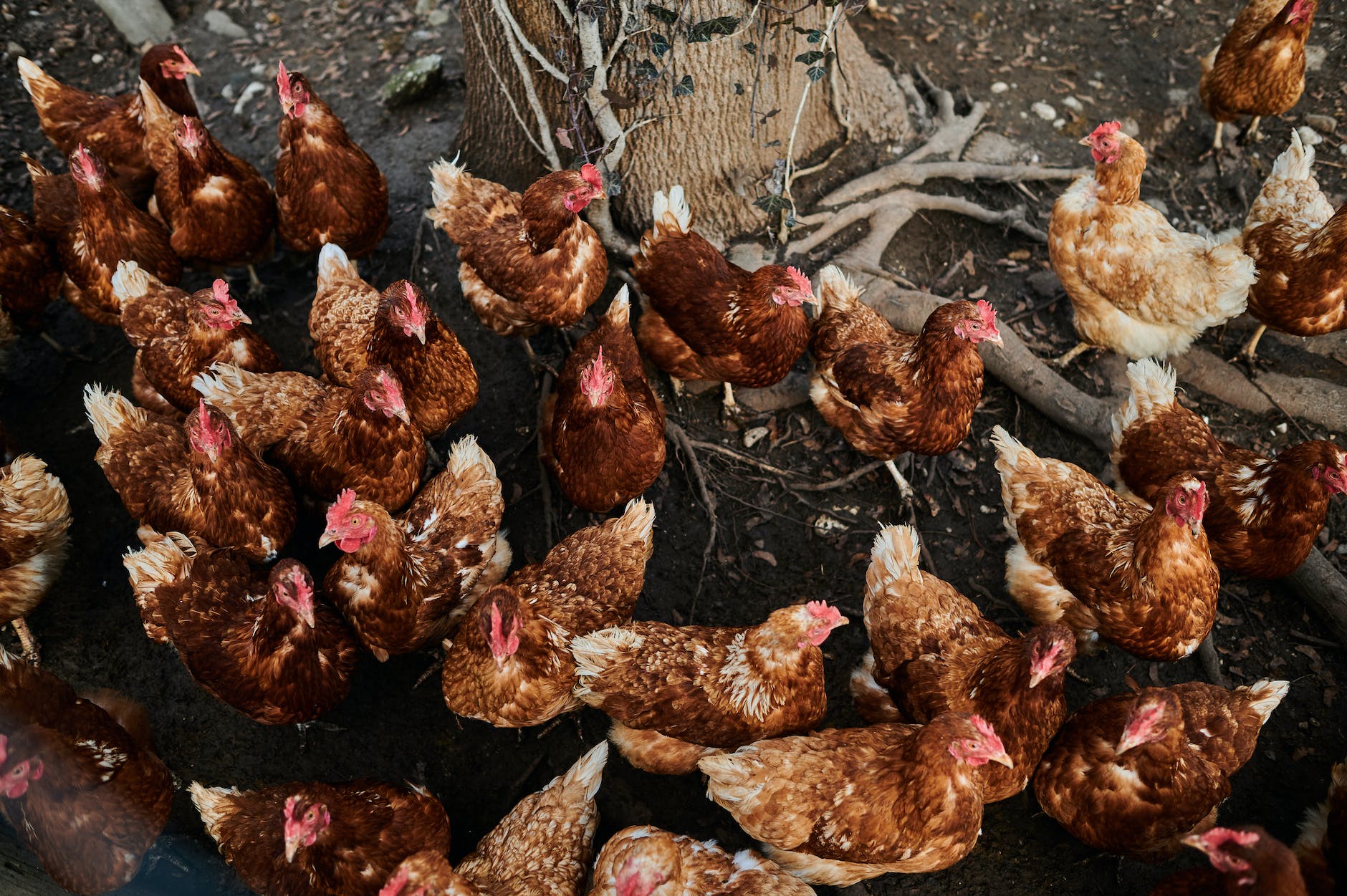
flock of layer chickens near the tree trunk


Managing the flock

It is important to monitor the health of your flock regularly and take preventative measures to avoid diseases and parasites. This includes regularly cleaning and disinfecting the coop, providing access to clean water, and keeping the birds on a regular deworming schedule. It is also important to observe the birds’ behavior and intervene if any birds are being bullied or injured.

SUSTAINABLE PRACTICES

Raising layer chickens can have a positive impact on the environment if done sustainably. Consider implementing practices such as composting chicken manure, using solar-powered lighting in the coop, and using locally sourced feed ingredients to reduce transportation emissions.

layer chickens in the field
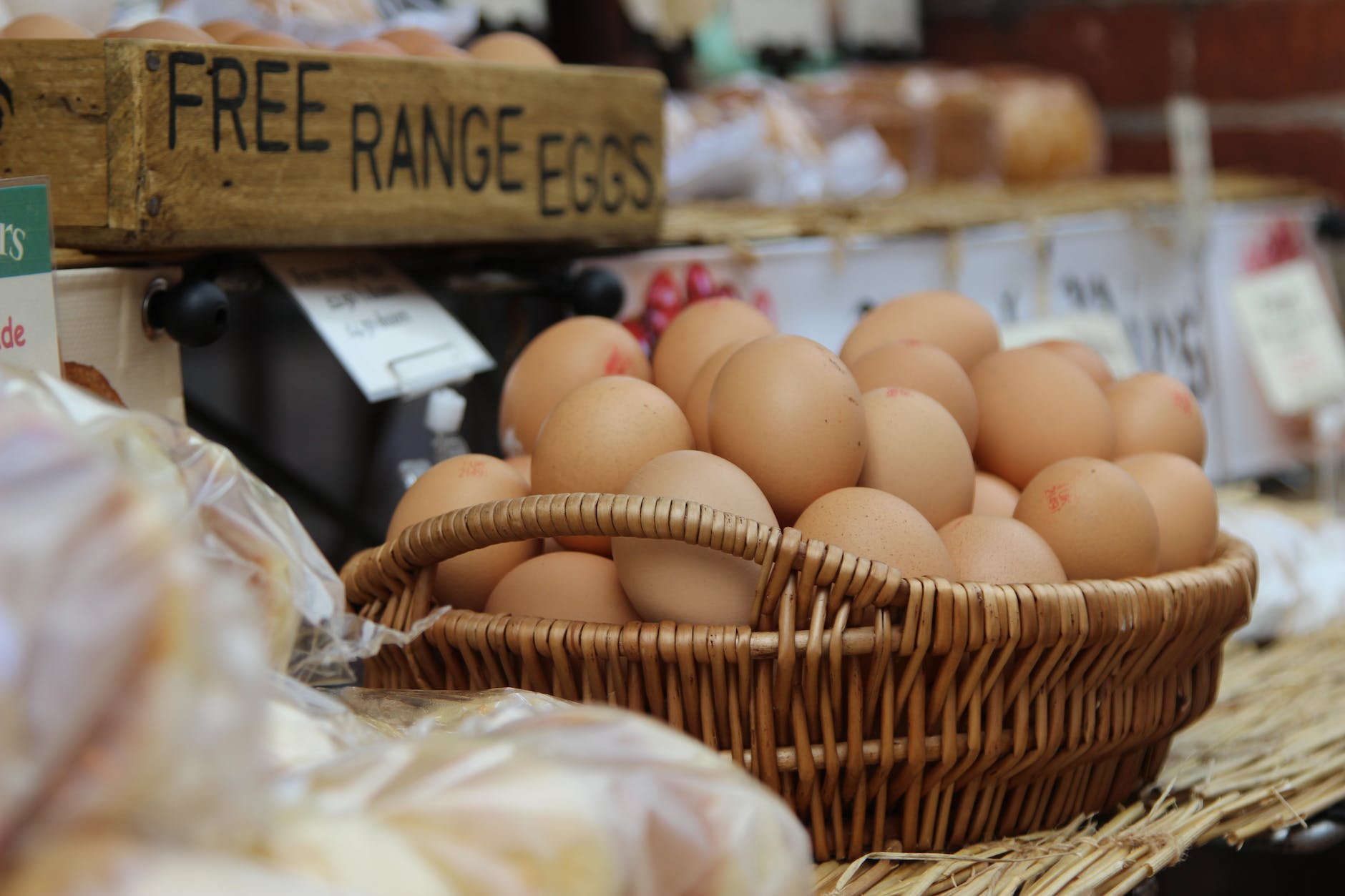
brown eggs from layer chickens

Egg storage bonus tips

Proper egg storage is important to maintain egg quality and safety. Eggs should be collected from the nesting boxes daily and stored in a cool, dry place with good air circulation. Do not wash the eggs as this can remove the protective coating on the eggshell. Instead, wipe off any visible dirt with a dry cloth or sandpaper.

Conclusion

Layer chickens are a valuable addition to any farm or homestead, providing a reliable source of high-quality eggs and enriching our lives in many other ways. By providing them with proper care and attention, we can optimize their egg-laying ability and ensure their overall health and well-being.

In South Africa, two of the most popular breeds of layer chickens are Hyline and Lohmann Brown. These birds are known for their high egg production and adaptability, making them a good choice for both backyard farmers and commercial egg producers.

In summary, raising layer chickens requires a combination of knowledge, skill, and dedication. By providing these birds with a balanced diet, a clean and well-ventilated coop, and proper health care, we can enjoy the benefits of fresh eggs and the companionship of these fascinating and productive creatures.

layer chicken

Backlinks and Referencing


By implementing these additional tips, you can further optimise your layer chicken business for success and sustainability. If you have enjoyed reading this article, feel free to share it with your friends who are also interested in farming layer chickens. We are always interested in cross referencing to interesting posts using back links so if you are a blogger and you want to backlink to this post, feel free to do so and we will surely assist with a backlink in return. Send a mail to backlinks@grospace.co.za with your page/post and we will be sure to take a look and create some content that is relevant for the backlink.