
Precise Water Delivery with Drip Irrigation
Drip irrigation delivers water directly to the root zone of each plant, ensuring precise and targeted water delivery. This precision helps minimize water waste by avoiding overspray or runoff commonly associated with traditional sprinkler systems. By supplying water directly to the roots, drip irrigation ensures that plants receive the necessary moisture without wetting the foliage. This reduces the risk of foliar diseases, such as fungal infections, and promotes overall plant health.
Water Conservation
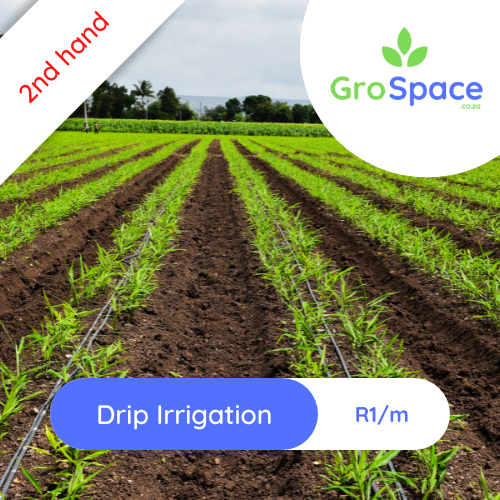
Water scarcity is a growing concern in many regions, making efficient water usage crucial in vegetable production. Drip irrigation is designed to be highly efficient, minimizing water loss due to evaporation or deep percolation. The slow and consistent application of water allows plants to efficiently uptake the moisture, reducing water waste. Additionally, by delivering water directly to the root zone, drip irrigation helps prevent unnecessary moisture loss through surface evaporation. Overall, drip irrigation can significantly contribute to water conservation efforts in vegetable production.
Weed Control
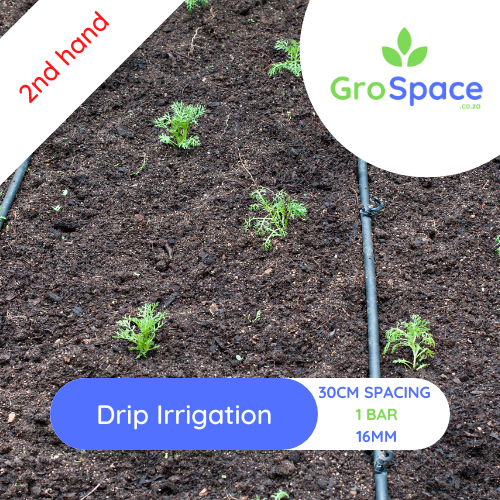
Weeds compete with vegetable plants for water, nutrients, and sunlight, which can impact crop growth and yield. Drip irrigation can aid in weed control by delivering water only to the desired plant’s root zone. By keeping the spaces between the plants relatively dry which inhibits weed germination and growth. This reduces the need for manual weeding or herbicide applications, minimizing labor and potential negative environmental impacts.

Disease Prevention with drip irrigation
Fungal and bacterial diseases are common challenges in vegetable production, and many of these diseases thrive in wet conditions. By minimizing foliage wetting, drip irrigation helps reduce the risk of disease development. Wet leaves provide an ideal environment for pathogens to thrive and spread. Drip irrigation’s targeted water application keeps foliage dry, creating unfavorable conditions for disease-causing organisms. This can lead to healthier plants and a decreased reliance on fungicides or other disease management interventions.
Enhanced Crop Quality and Yield
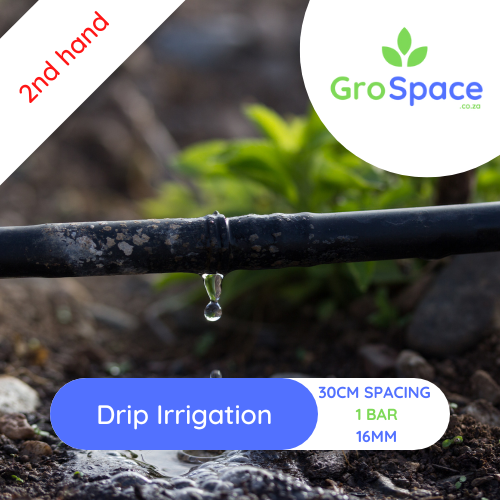
Drip irrigation’s ability to deliver consistent moisture directly to the plant’s root zone promotes optimal plant growth and development. The controlled water supply ensures that plants receive the necessary hydration, leading to healthier and more vigorous crops. The improved water uptake and reduced stress from uneven watering can result in enhanced crop quality, including better flavor, texture, and appearance. Additionally, efficient use of water and nutrients can contribute to higher vegetable yields.
Nutrient Management with drip irrigation
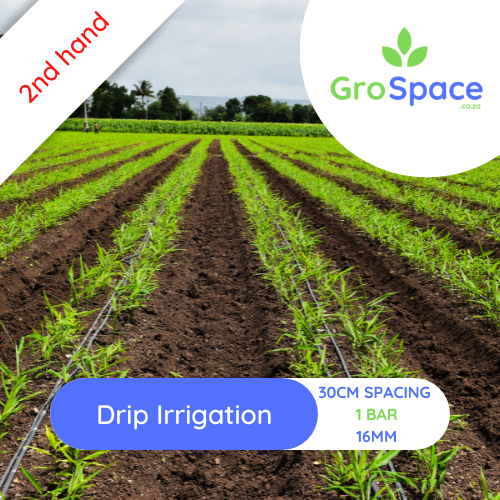
Vegetable crops require a balanced supply of nutrients for optimal growth and productivity. Drip irrigation allows for precise nutrient management by incorporating fertilizers directly into the irrigation system. This fertigation method delivers nutrients directly to the plant’s root zone, ensuring efficient uptake and minimizing nutrient leaching. Farmers can tailor nutrient applications to meet specific crop requirements, leading to improved nutrient utilization and reduced fertilizer waste.
In conclusion, drip irrigation is highly beneficial for vegetable production. Its precise water delivery, water conservation capabilities, weed control benefits, disease prevention, enhanced crop quality and yield, and nutrient management advantages make it an ideal choice for vegetable growers. By adopting these efficient systems, farmers can optimize water and nutrient use, improve plant health, and increase overall productivity. Whether in small-scale vegetable gardens or large commercial operations which can significantly contribute to sustainable and successful vegetable production.
Here are some interesting links that you might want to check out: