Drip irrigation has revolutionized the way farmers approach watering their crops. This efficient and precise irrigation method has gained popularity due to its numerous benefits for agricultural practices. In this article, we will delve into important information about farming with drip irrigation, highlighting its advantages and providing insights into its implementation.
- Water Efficiency:
Drip irrigation is renowned for its exceptional water efficiency. Unlike traditional irrigation methods that often result in water wastage due to evaporation or runoff, drip irrigation delivers water directly to the plant’s root zone. This targeted approach minimizes water loss and maximizes plant uptake, making it a sustainable choice for farmers seeking to conserve water resources. - Enhanced Crop Health and Yield:
By providing a consistent supply of water and nutrients directly to the plant’s root zone, drip irrigation promotes optimal crop health and improved yields. This method ensures that plants receive the necessary moisture without the risk of overwatering or underwatering. The controlled delivery of water also helps reduce plant stress, enhancing overall crop quality and quantity. - Weed and Disease Control:
Drip irrigation contributes to weed control by delivering water directly to the plant’s root zone. By minimizing moisture on the soil surface, it creates an inhospitable environment for weed growth. Additionally, this irrigation method keeps the foliage dry, reducing the risk of fungal diseases that thrive in moist conditions. - Nutrient Management:
Drip irrigation allows farmers to efficiently manage nutrient application. Fertilizers can be precisely injected into the irrigation system, ensuring that plants receive the right amount of nutrients at the right time. This targeted approach minimizes nutrient wastage and reduces the environmental impact of excessive fertilizer use. - Adaptability to Various Soil Types:
One of the advantages of drip irrigation is its adaptability to different soil types. Whether it’s sandy, loamy, or clayey soil, drip irrigation systems can be adjusted to match the soil’s water-holding capacity and drainage characteristics. This versatility enables farmers to optimize water distribution and promote healthy root development across diverse agricultural landscapes. - Scalability:
Drip irrigation systems are highly scalable, accommodating farms of various sizes. From small-scale gardens to large commercial operations, drip irrigation can be tailored to meet specific requirements. Farmers can customize the system’s layout, emitter spacing, and flow rates to ensure uniform water distribution throughout the entire field. - Environmental Sustainability:
Drip irrigation aligns with sustainable farming practices by minimizing water wastage, reducing chemical runoff, and promoting efficient resource management. By using drip irrigation, farmers can contribute to preserving water resources, conserving energy, and minimizing the environmental impact of agricultural activities. - Return on Investment:
While the initial investment in drip irrigation systems may be higher compared to traditional methods, the long-term benefits often outweigh the costs. The enhanced crop yields, water savings, and improved resource management can lead to increased profitability and a positive return on investment over time. - Maintenance and Monitoring:
Proper maintenance and monitoring are essential for the effective operation of drip irrigation systems. Regular checks of emitters, filters, and pressure regulators are necessary to ensure uniform water distribution and prevent clogging. Farmers should also monitor soil moisture levels and adjust irrigation schedules accordingly to optimize plant health. - Expert Guidance:
For farmers considering implementing drip irrigation, seeking expert guidance is valuable. Consulting with agricultural extension services, irrigation specialists, or experienced farmers who have successfully implemented drip irrigation can provide valuable insights, best practices, and recommendations for system design and management.
Farming with drip irrigation offers numerous benefits, including water efficiency, enhanced crop health, and sustainable resource management. By adopting this irrigation method, farmers can optimize their yields, minimize environmental impact, and contribute to a more sustainable and productive agricultural system.
-

Hanger bracket square pipe
R0.00 -

Happy Trio Microgreens – 1kg Pack
R500.00 -
Hard body chickens
R70.00 -
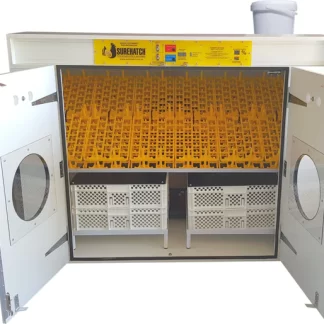
Hatchery Machine and Backup System Combination Kit
R59,000.00 -
Hatching service per egg
R942.00 – R4,710.00 -
Hatching service per egg
R2.00 -
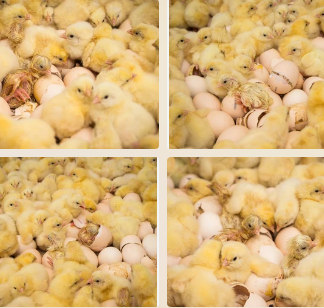
Hatching Services
R1.25 -
Infra red lamp 175 watt 1/100
R0.00 -
Infrared lamp fitting
R0.00
Here are some interesting articles to read about drip irrigation
- The Economic Benefits of Drip Irrigation in Agriculture
- The Role of Drip Irrigation in Sustainable Agriculture
- Understanding the Environmental Impact of Drip Irrigation
- 10 Interesting Facts About Drip Irrigation
- Info about Farming with Drip Irrigation
- How to Use Drip Irrigation?
- Is Drip Irrigation Exported?
- Drip Irrigation Packaging
- 5 Benefits for Gardening and Farming with Drip Irrigation
- How to Install Drip Irrigation?
- Is Drip Irrigation Good for Vegetable Production?
- Farming Benefits of Drip Irrigation
- What Happens When You Farm with Drip Irrigation?