M-Way aims to restart farmingbroiler chickens in the short term.
Target:
Install sustainable heating system for 1 chicken coop. A low capital expenditure is advised to allow for future pivots without the weight of a heavy debt responsibility.
Discussion
We have been considering multiple options to farm broilers at your farm. After much thought and calculation the simplest method will be to grow the birds for the live market until an abattoir is erected to slaughter on site. The market is tight at the moment with the price of feed increasing rapidly whereas the price of chickens has remained relatively constant. This has caused a shift in the market which leaves your current operation rather ineffective and not profitable without change. This disparity forces the farmer to think differently. Forget the old technology and invest in clean energy heating systems.
I ran the models for replacing your old technology with new sustainable technology and the result was very positive. I have provisionally decided on a minimal loan application to lower your costs whilst we install simple and sustainable clean energy sources on your farm to warm your chicken coops and produce endless energy for your future expansion.
Your heating will no longer use coal, it is dirty, very inefficient and frankly we have moved past the industrial revolution where this was an accessible resource. It is heavy to transport and its polluting the environment. It’s time to think clean energy along with suitable energy. Your current liability to Eskom is a risk for funders and their unreliable supply is costly and poses a high risk factor for any investor.
Investors such as the Land Bank are interested in a moderate risk profile with a tight spread. Your reliance on Eskom as your only source of electricity and coal for heating is antiquated and damaging to the environment.
You are producing over 34 tons of biomass per 28 day cycle. This is equivalent to a fully laden interlink of potential energy. This energy is being produced every month and you can now use it to power your entire farm.
The Problem
We forecast that the continual increase in electrical tariffs and rolling blackouts aka load shedding from Eskom will surely place your business into foreclosure along with 80-90% of small to medium scale broiler farmers. The effect has already been noticed in January-February 2023 with the steep drop off in day old chicks sales. Farmers are simply not placing day old chicks for the fear of blackouts and subsequent mortalities.
Experience
I personally have run numerous trials over the past 3 months and I have noted a 90+% mortality rate for small scale broiler farming. Without consistent electricity I reverted to using a generator which cost me R5000 above the usual rate to run my lighting. On top of this, I had to get up every 2-4 hours to turn the generator on and off again. I lost 95% of my chicks. 2400/2500 mortalities. This has been mentally and physically draining. The input costs are sky rocketing.
Input costs
Feed has increased by 75-100% yet the price for the live chicken has remained the same as what it was 6 years back. “R45 stock price”. This was when the market was less fragmented and buyers were running to purchase stock from farmers. Over the past 2 years the market fragmented during the PESI voucher campaign by C. Ramaphosa. I now empathise with every small to medium scale farmer which is why I have developed a solution to this problem.
The Solution
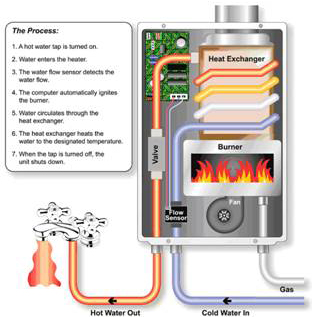
Biogas powered broiler farming. Biogas is clean and sustainable. Your waste is the fuel and GroBio is the tool. GroBio is a turnkey solution that implements gas boilers to heat a liquid which heats your chicken coop. It’s simple to install and it is modular which means that you can start off small and grow. Your electricity bill, forget it, your heating bill too.
A good idea can be written on a paper napkin in a coffee shop and nothing more will happen unless time is spent to meticulously plan a rollout strategy. First though, you need to understand the financials. You can take aloof below for the working draft of the financial plan needed to implement this strategy. This document will be updated and the changes will be shown live always. Make sure to bookmark this page and add it to your favourites.
If you found this information interesting and empowering, register for a consultation today to discuss sustainable contract farming for GroSpace. If you want to book a consultation within the next 7-14 days click the link below.
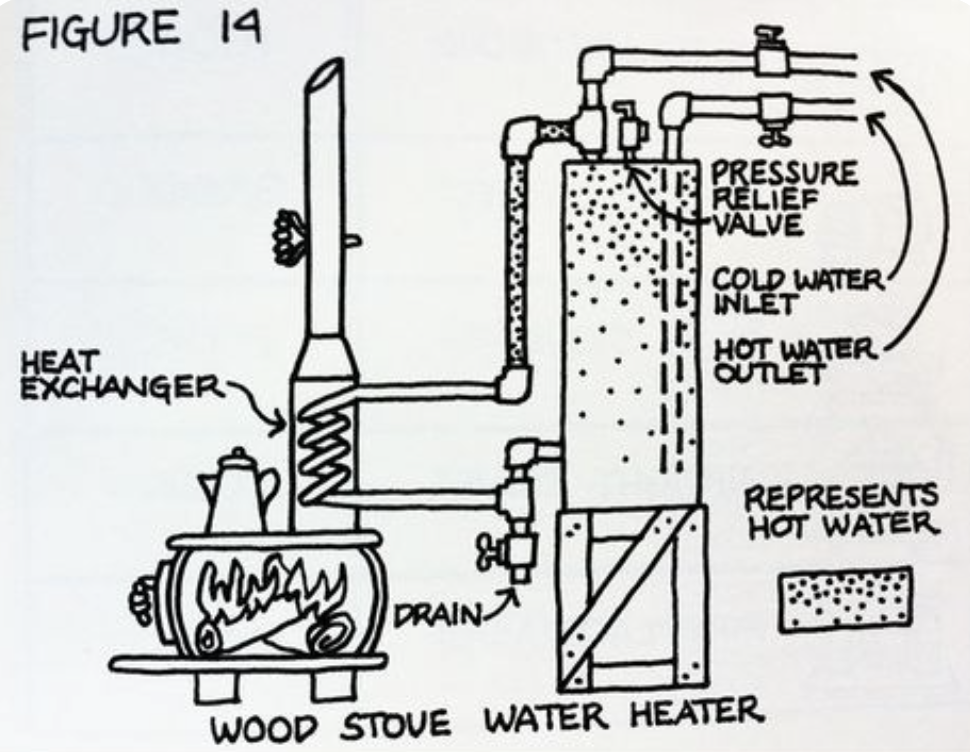
This post documents the thoughts and designs for a heating system that uses simple biogas from poultry manure, bedding and mortalities generated within a broiler farm to burn a flame through a rocket designed heater.
This gas is burned at the base of the heater which heats a tall chimney. This chimney is encircled with a barrel to carry water that will be heated. The water is stored in a holding tank at ground level. An outlet from the holding tank feeds the barrel with water/oil. The chimney heats the water/oil as the heat rises through the chimney. The liquid heats up and pressure builds in the barrel.
An outlet tube allows the liquid to escape once heated. This outlet feeds a pipe that must be directed towards the ground and through the wall of the chicken coop. This pipe should either be sunk into the concrete floor of the coop or it should be placed under the bedding. This pipe should form a loop or multiple loops within the chicken coop. The pipe should return to the holding tank where the process restarts and a cycle is maintained. This pipe should be removable in the case where it is not sunk into the foundation of the chicken coop.
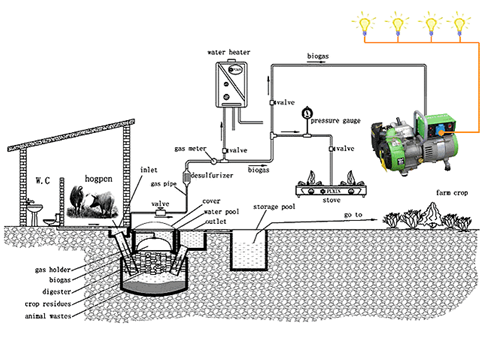
This makes for easy chicken removal and cleaning. Effectively this is a gas geyser however you will never need to buy any inputs if you pipe your waste into a GroBio digester which will produce the biogas needed to either run a biogas generator or burn to heat water.
Use the GroBio to generate gas to power a gas generator. The generator will burn biogas to generate electricity and this powers the electrical bulbs to heat the coop. This generator is a 3 phase generator which can power heavy machinery on the farm such as a hammer mill for milling feed.
When the hatchery receives eggs, the eggs should immediately be placed into an incubator with the trays lying flat and the incubator turned off to allow for the albumin in the egg to settle.
The Hatchery loads day-old chicks onto their GroShop
The Hatchery should use a throughput rate of 53% to hatch out day-old chicks. This number of chicks should be loaded onto the Hatchery’s GroShop in boxes of 100 each.
The Hatchery should communicate with a friendly GroChick representative
When the products are loaded onto the system, the hatchery should notify a friendly GroChick representative so that the GroChick representative can place an order for the day-old chicks. This order represents a digital contract for the supply and delivery of the chicks.
GroChick buys back the chicks
A friendly GroChick representative will place an order on the hatchery’s GroShop
The Hatchery needs to grade chicks after they hatch
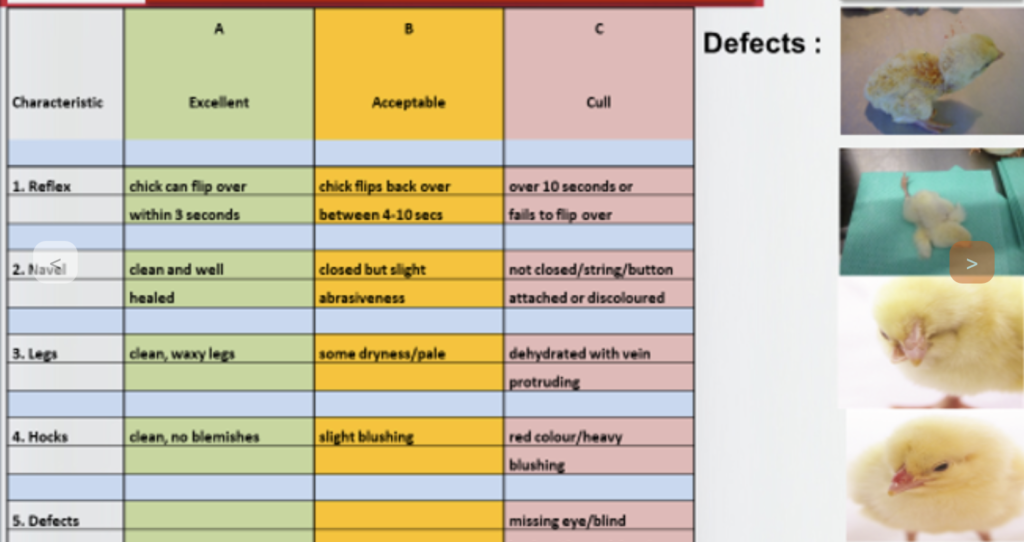
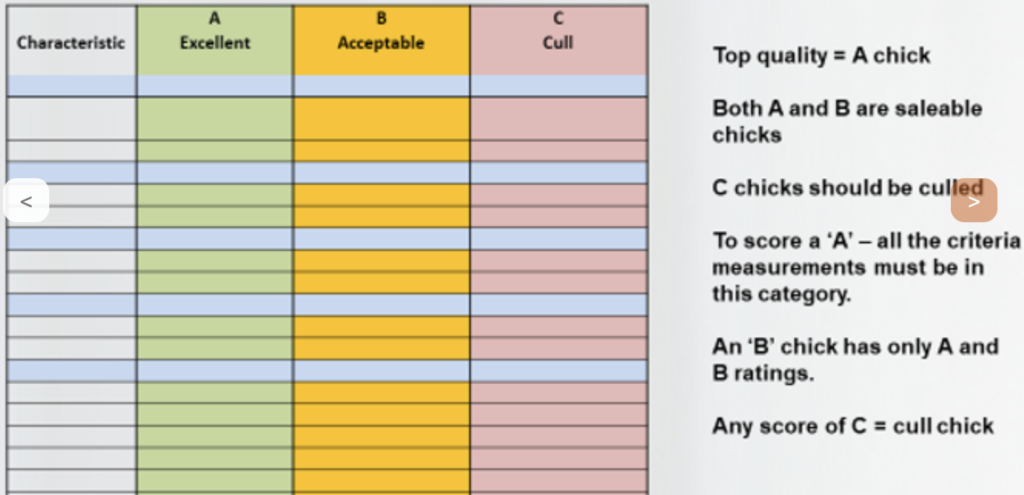
The Hatchery needs to separate chicks into boxes with mass <35g these are classed as B grade and >35g these are classed as A grade chicks. This is in the case of Broiler chicks. In the case of layers or Potch all sizes are welcome. Just make sure that the physical appearance matches with the A-Grade and B-Grade chicks using the link to follow. Learn more
GroChick collects the day-old chicks or hatchery delivers
GroChick will send a vehicle to collect the chicks from the hatchery to collect day-old chicks. Day-old chicks need to be packed into cardboard travel boxes and these boxes should be graded before collection/delivery.
After collection, the Hatchery needs to change the status of the order in the Store Manager to “Completed”. The Hatchery needs to select the payment option in the Store Manager. When an order is set to “Completed” an automatic withdrawal request will be sent to the Admin Desk. The Admin Desk will verify that the delivery was completed and either accept or decline the withdrawal. If collection is not made and the order status is changed to completed then the hatchery account will be suspended. If the collection is made then the transaction will be accepted and funds will be released.
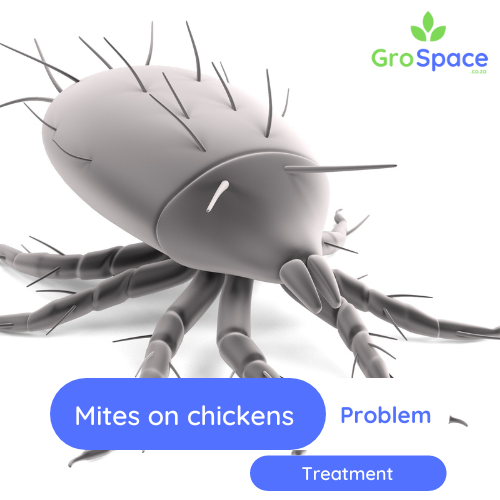
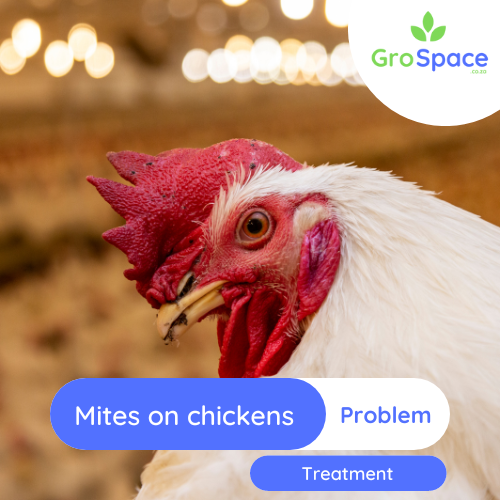
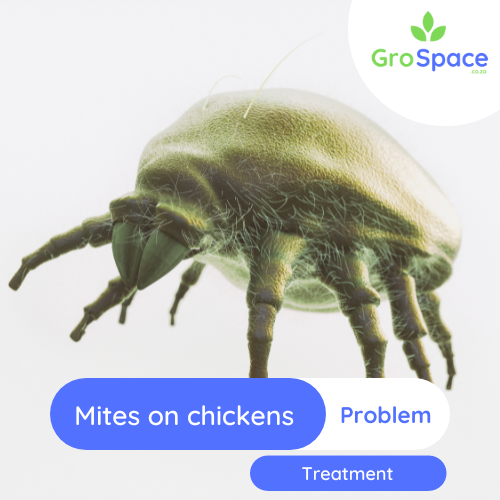
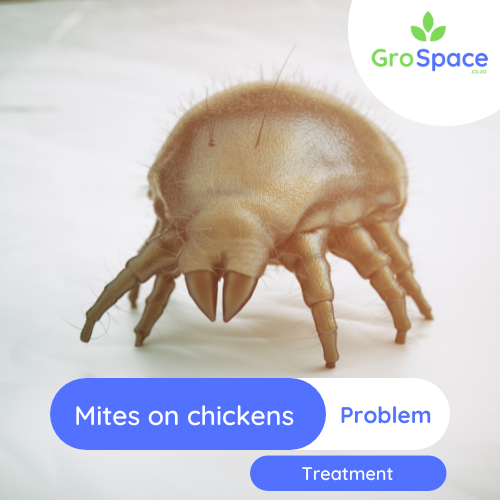
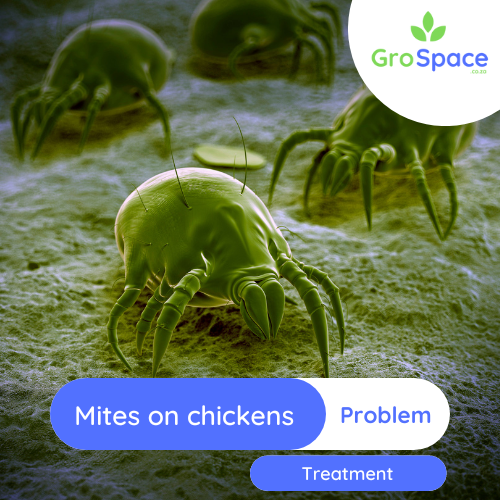
Treating mites on poultry can be a tricky process, but there are some steps you can take to help ensure your birds stay healthy and free of parasites. Mites are small, blood-sucking parasites that are a common problem for chickens, ducks, and other poultry. They can cause discomfort and even death in extreme cases.
The first step in treating mites on poultry is to identify the type of mite. There are several different species of mites that can affect poultry, such as red mites, northern fowl mites, and scaly leg mites. Knowing the type of mite will help you determine the most effective treatment.
GroSpace – 1 Mites on Chickens
Once you have identified the type of mite, you can begin the treatment process. The most common treatment for mites is an insecticide, such as permethrin or ivermectin. These products can be applied directly to the birds or mixed with their feed. The application needs to be repeated at regular intervals, usually every two weeks, to ensure the mites are eliminated.
GroSpace – 2 Mites on Chickens
In addition to treating the birds, you should also take steps to clean and disinfect their housing. Mites thrive in dark, moist environments, so it is important to make sure the coop is well ventilated and dry. All perches, nesting boxes, and other areas should be thoroughly cleaned and disinfected. This will help reduce the mite population and prevent reinfestation.
Finally, it is important to monitor your birds for signs of mite infestation. If you notice any of the following symptoms, then it is likely your birds have mites: excessive scratching, feather loss, decreased egg production, dark spots on feathers, and small, dark spots on their skin. If you observe any of these signs, then it is important to treat the infestation as soon as possible.
Treating mites on poultry can be a challenging task, but with a little bit of effort and knowledge, it can be done successfully. By identifying the type of mite, treating the birds with an insecticide, cleaning and disinfecting their housing, and monitoring for signs of infestation, you can help keep your birds healthy and mite-free.
Bonus tip:
Buy some diatomaceous earth and allow the chickens to dust bath or apply directly to your birds. This irritates the little critters.
Here is a message that you can read through to understand what is expected of a rearing farm. this is a rough draft so make sure to bookmark and check for updates.
Have you got budget to grow chickens from parent stock. Your farm can start with 100 birds that are at week 9.
You can grow them to point of lay and then use them to start laying fertile eggs which we can send for incubation. The ratio should be 1:10 roosters:hens.
The excess roosters can be placed separately from the hens and I will send you hens to hybridise.
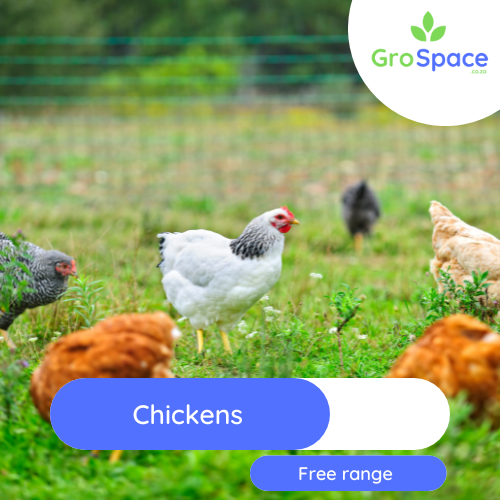
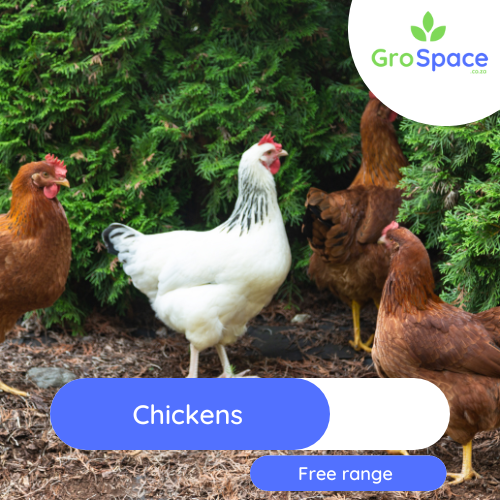
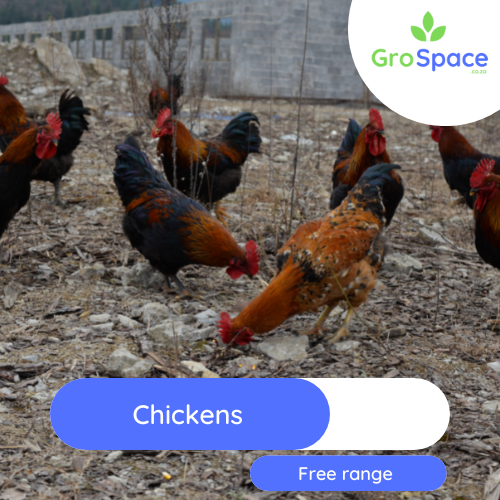
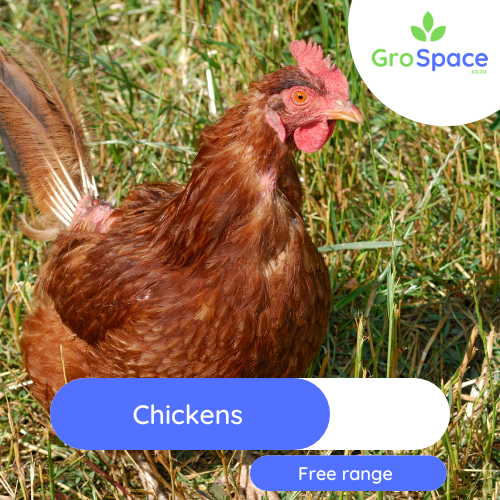
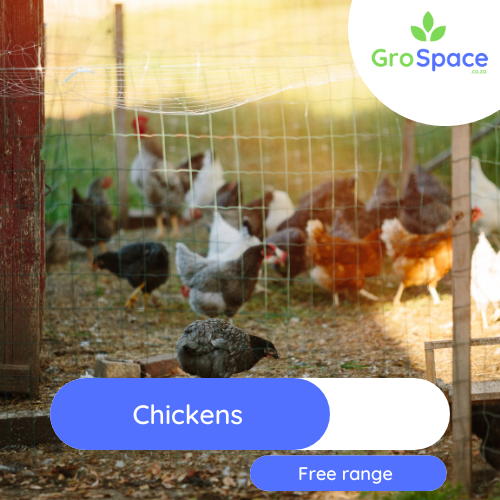
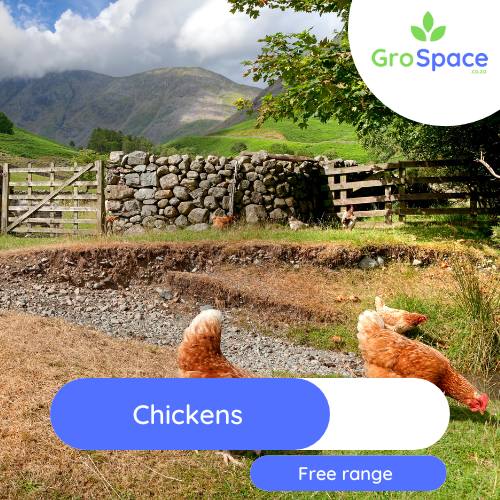
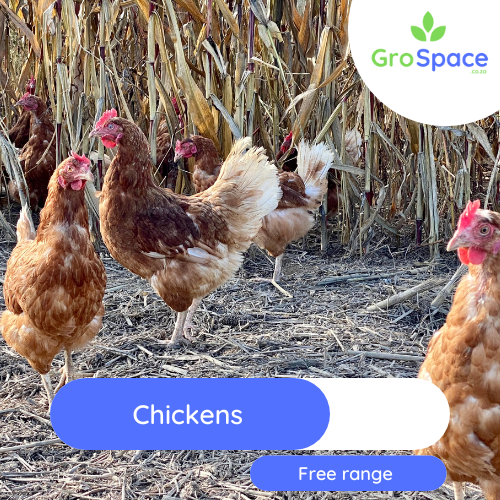
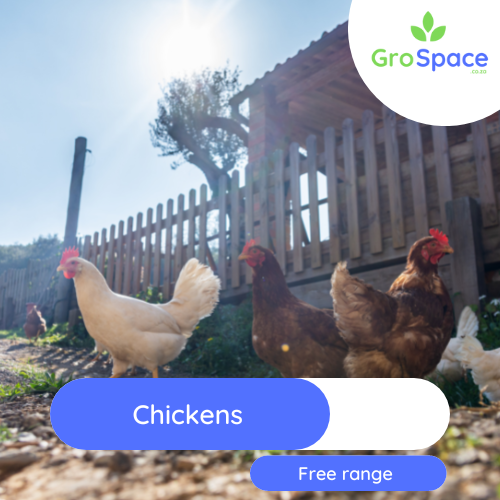
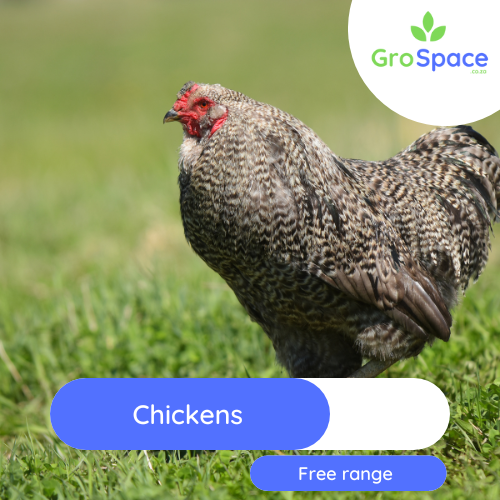
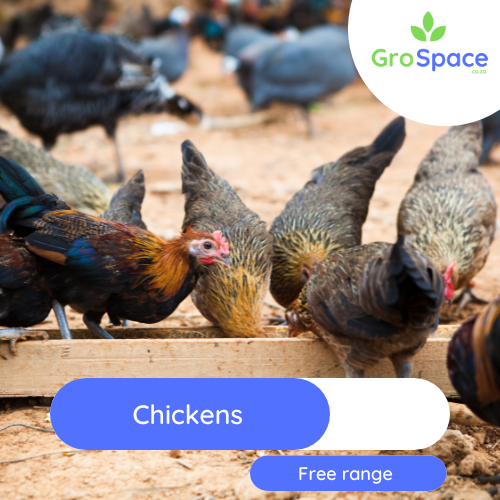
Free range chickens have the freedom to roam around in an open area, as opposed to being confined to a cage. This allows chickens to express their natural behaviours, such as dust bathing and foraging for food.
Free range chickens are typically healthier than those that are raised in cages, as they have access to fresh air and sunlight, as well as a variety of foods.
Free range chickens are usually raised organically, meaning they are not given any hormones or antibiotics. This makes their meat and eggs much healthier than those from caged chickens.
Free range chickens typically live longer than those that are raised in cages. This is because they are not subjected to the same level of stress, and are able to move around freely.
Free range chickens are often used for egg production. This is because they are able to consume more food than caged chickens, meaning they produce more eggs.
Free range chickens are much less likely to experience disease or illness than caged chickens. This is because they are able to move around and get fresh air which helps to keep them healthy.
Free range chickens are also much less likely to become overweight, as they are able to move around and eat a variety of foods.
Free range chickens are often treated humanely, as they are not subjected to the same level of confinement as caged chickens.
Free range chickens are generally more expensive than those that are raised in cages, as they require more space and resources.
Free range chickens provide a more natural and sustainable way to raise chickens, as they are able to roam freely and express their natural behaviours. This helps to reduce the environmental impact of raising chickens.
Free range chickens are able to enjoy a much more natural lifestyle than the chickens that are kept in battery cages with limited space. They are able to move and explore their environment, forage for food, and engage in natural behaviours such as dust bathing and flapping their wings. Free range chickens also have access to fresh air, sunlight, and a varied diet, as they are able to consume a variety of insects and plants. This freedom of movement and natural feeding habits helps keep the chickens healthier, as they do not suffer from the same overcrowding and diseases associated with battery cages. Free range chickens are also said to produce eggs with higher nutritional value, due to their varied diets. As such, many people believe that buying and eating eggs from free range chickens is a much more ethical and sustainable choice.
Free range chickens are typically healthier than those that are raised in cages.
Free range chickens have the benefit of being able to roam freely and forage for food. This means they are able to eat a variety of foods that provide them with essential vitamins and minerals. In contrast, chickens raised in cages are limited to eating a single type of feed that may not be as nutritious as what free range chickens are able to access. Additionally, free-range chickens get more exercise than those in cages, which helps keep them healthy. Furthermore, free-range chickens have less stress and fewer illnesses due to the lack of overcrowding in the environment. This means they tend to have stronger immune systems. All of these factors contribute to the overall health of free-range chickens, making them a better option than those that are raised in cages.
Free range chickens are usually raised organically.
Free range chickens are usually raised in an organic manner, meaning that they are not exposed to pesticides, hormones, antibiotics, or artificial additives. Instead, they are raised in a natural environment that allows them to roam freely, eat a variety of food sources, and get plenty of exercise. This type of chicken is not only healthier for the chickens, but it also produces higher-quality meat.
Free range chickens are kept in spacious enclosures that allow them to forage for a variety of plants and insects, which provides them with a balanced and nutritious diet. They are also able to get plenty of exercise, which helps them to grow and develop in a healthy manner. This type of chicken is usually fed a variety of grains, and sometimes, they are even allowed to eat fruits and vegetables.
Organic free range chickens also produce a higher quality egg. They get plenty of exercise, which helps to increase the quantity and quality of their egg production. Also, because they are not exposed to hormones and antibiotics, the eggs are free of these substances. Free range eggs are considered to be a healthier option than conventional eggs.
Free range chickens produce meat that is lower in fat and cholesterol than conventionally raised chickens, as they are not exposed to growth hormones, antibiotics, and other unnatural substances. This type of chicken is also more flavorful due to their diet, which includes a variety of natural sources.
Organic free range chickens are a great choice for those looking for a healthier and more sustainable option for their meat and eggs. They are raised in a natural environment that allows them to exercise and forage for food, which helps to create a healthier and tastier product.
Free-range chickens typically live longer than those that are raised in cages.
Free range chickens typically live longer and have much better overall quality of life than chickens that are raised in cages. This is due to the fact that free range chickens are able to stretch their legs and wings and move around freely in the open air. This movement is especially important for their physical and mental health. Studies have shown that caged chickens are much more prone to stress-related illnesses, while free range chickens can live to a ripe old age of eight to ten years. In addition, free range chickens are able to eat a wider variety of foods, including grass, worms, and other insects, which can boost their immune systems and keep them healthier for longer. Free range chickens also benefit from more sunlight, which provides important vitamins and other nutrients for them. All in all, free range chickens have a much higher quality of life than those that are raised in cages, and therefore, often live longer.
Why are Free range chickens often used for egg production?
Free range chickens are often used for egg production because they provide a humane and ethical alternative to traditional egg production methods. Free range chickens are able to roam freely in their environment, allowing them to feed on natural sources of nutrition, such as grass and insects. As a result, the eggs produced from free range chickens are typically higher in nutrients and vitamins than those from confined and caged birds. Additionally, free range chickens are less likely to experience stress, which can lead to lower production of eggs. Not only does this provide a healthier option for consumers, but it also helps to ensure the welfare of the chickens. Furthermore, free range chickens are often seen as more environmentally friendly than their caged counterparts, as they are less reliant on human-made resources, such as feed, and require less space. All in all, free range chickens provide an ethical, healthy, and sustainable option for egg production.
Free range chickens are much less likely to experience disease or illness than caged chickens.
Free range chickens are much less likely to experience disease or illness than caged chickens due to the fact that they are able to move freely and consume a more natural diet. The chickens can also get access to natural sunlight, which helps to strengthen their immune systems. In addition, as they are able to roam further and forage for food, they are more likely to have a balanced diet.
In contrast, caged chickens are confined to a small area, meaning they are unable to consume a varied diet or get access to the sunlight. This often results in a lack of vitamins and minerals, which can lead to weakened immune systems and susceptibility to disease or illness. Furthermore, when chickens are caged in close proximity to one another, any disease or illness is more likely to spread quickly.
Overall, free range chickens are much less likely to experience disease or illness than caged chickens due to the fact that they have access to more natural environments and a balanced diet. This can help them to build strong immune systems, which is essential to maintain good health.
Free range chickens are also much less likely to become overweight.
Free range chickens have many benefits compared to conventional chickens. Free range chickens are able to roam freely and eat a more natural diet of insects, plants and other food sources. This helps to ensure that the chickens stay healthy and in shape. In comparison, conventional chickens are kept in cramped, overcrowded cages, so they don’t get the same exercise or healthy diet. This can lead to them becoming overweight and unhealthy. Free range chickens are also exposed to more natural light, which helps to keep them active and healthy. In addition, the natural environment of free range chickens encourages them to engage in natural behaviours such as dust bathing and foraging. This helps to keep them fit and prevent them from becoming overweight. Free range chickens are a much healthier and more natural option for those who are looking for a sustainable, healthy meat source.
Free range chickens are often treated humanely compared to those kept in conventional farms. They are allowed to roam free in large outdoor spaces, which gives them the opportunity to forage for food, bathe in the sun, and interact with other chickens. Free range chickens are also usually given access to natural nesting sites and perches, which allows them to express their natural behaviors. Furthermore, these chickens are typically fed a healthier diet since they are able to supplement their feed with natural sources of nutrition. All of these factors contribute to the humane treatment of free range chickens. In addition, free range chickens are typically not subjected to the overcrowding and unsanitary conditions that are found in large-scale poultry farms. By choosing free range chickens, consumers can support humane farming practices and enjoy delicious and ethically produced food.
Free range chickens are generally more expensive than those that are raised in cages.
Free range chickens are a healthier and more humane option than those raised in cages. They are able to move freely and have access to fresh air, sunlight, and clean water. This improves the quality of the meat, eggs, and feathers that come from these birds. The extra cost for free range chickens is due to their larger living space and the extra care that goes into providing a healthier and more ethical lifestyle for them. Free range chickens are generally fed a more natural diet, which can also add to the cost. The extra cost is worth it for those who are looking for a more ethical and healthier option. Choosing free range chickens also helps support farmers who are committed to providing better living conditions for their birds. Ultimately, free range chickens offer a healthier and more ethical product that is worth the extra cost.
Free range chickens provide a more natural and sustainable way to raise chickens.
Free range chickens have many advantages when it comes to raising chickens in a sustainable and natural way. Firstly, free range chickens are allowed to roam freely, eating a varied diet of insects, grass and other natural foods, thus allowing them to develop strong and healthy bodies. Secondly, free range chickens are not confined to cages and are able to engage in natural behavior, such as dust bathing and roosting. This helps to reduce stress levels, which in turn leads to healthier chickens. Finally, free range chickens are not exposed to antibiotics and other medicines, which can be harmful to humans and the environment. By choosing to raise free range chickens, you can help create a more sustainable and natural food chain, while ensuring that your chickens remain healthy.
Batteries need to follow certain quality guidelines to classify their chicks as A-grade. The following list of characteristics will the fine whether the chick is A-grade, B-grade or C-grade(should be culled).