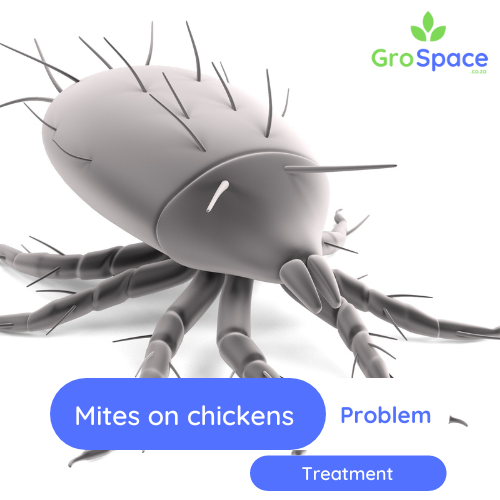
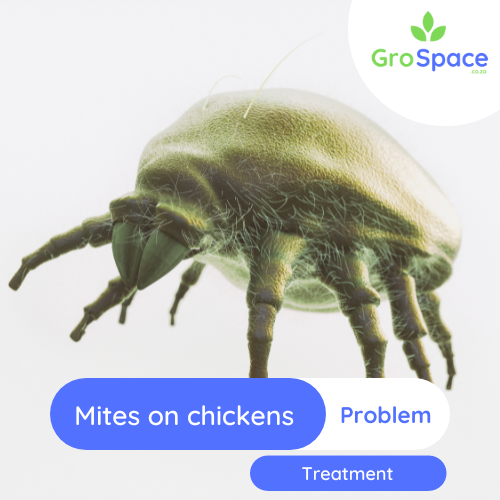
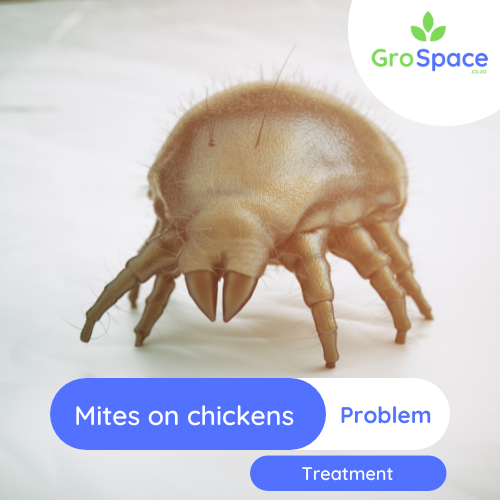
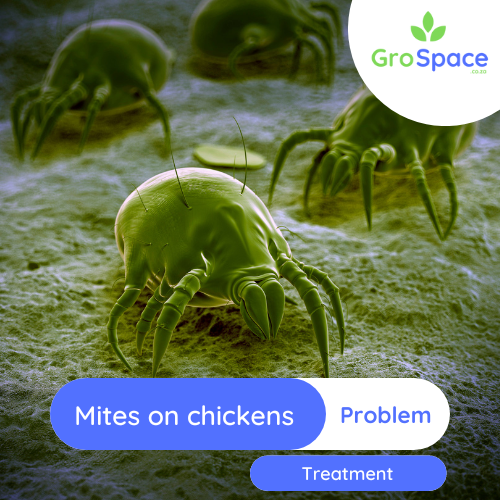
Treating mites on poultry can be a tricky process, but there are some steps you can take to help ensure your birds stay healthy and free of parasites. Mites are small, blood-sucking parasites that are a common problem for chickens, ducks, and other poultry. They can cause discomfort and even death in extreme cases.
The first step in treating mites on poultry is to identify the type of mite. There are several different species of mites that can affect poultry, such as red mites, northern fowl mites, and scaly leg mites. Knowing the type of mite will help you determine the most effective treatment.
Once you have identified the type of mite, you can begin the treatment process. The most common treatment for mites is an insecticide, such as permethrin or ivermectin. These products can be applied directly to the birds or mixed with their feed. The application needs to be repeated at regular intervals, usually every two weeks, to ensure the mites are eliminated.
In addition to treating the birds, you should also take steps to clean and disinfect their housing. Mites thrive in dark, moist environments, so it is important to make sure the coop is well ventilated and dry. All perches, nesting boxes, and other areas should be thoroughly cleaned and disinfected. This will help reduce the mite population and prevent reinfestation.
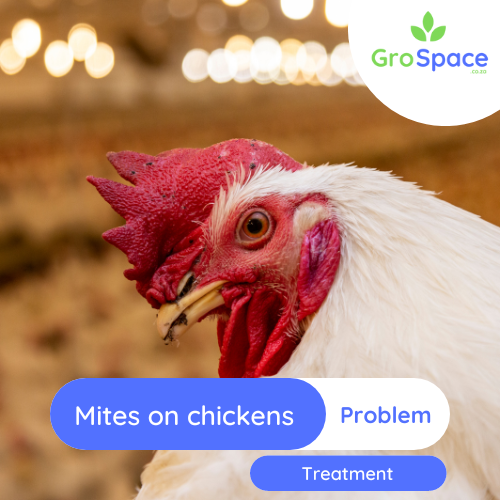
Finally, it is important to monitor your birds for signs of mite infestation. If you notice any of the following symptoms, then it is likely your birds have mites: excessive scratching, feather loss, decreased egg production, dark spots on feathers, and small, dark spots on their skin. If you observe any of these signs, then it is important to treat the infestation as soon as possible.
Treating mites on poultry can be a challenging task, but with a little bit of effort and knowledge, it can be done successfully. By identifying the type of mite, treating the birds with an insecticide, cleaning and disinfecting their housing, and monitoring for signs of infestation, you can help keep your birds healthy and mite-free.
Bonus tip:
Buy some diatomaceous earth and allow the chickens to dust bath or apply directly to your birds. This irritates the little critters.