Posted on

Get rich farming sugar beans

🌱 Sugar Beans: A Versatile and Nutritious Superfood

Sugar beans, also known as pinto beans, have been a staple in various cultures’ diets for centuries. Originating in Central and South America, these small, oval-shaped beans boast a distinct mottled pattern and a pale pink or beige color. Today, they are enjoyed worldwide for their delicious taste and impressive nutritional profile.

Nutritional Powerhouse

Sugar beans are an excellent source of nutrients, making them a valuable addition to any diet. With low fat content, no cholesterol, and high dietary fiber, they promote digestive health and help maintain stable blood sugar levels. Just one cup of cooked sugar beans provides over half of the daily recommended fiber intake for adults.

Additionally, they are a rich source of plant-based protein, making them ideal for vegetarians and vegans. Packed with essential vitamins and minerals like iron, potassium, magnesium, and folate, sugar beans also offer a host of antioxidants that protect against free radicals and chronic diseases.

Health Benefits

The consumption of sugar beans is associated with numerous health benefits. Their fiber and potassium content supports heart health by reducing cholesterol levels and regulating blood pressure. For individuals with diabetes or at risk of developing the condition, the high fiber content aids in maintaining stable blood sugar levels. The presence of resistant starch in sugar beans improves insulin sensitivity.

Moreover, sugar beans promote digestive health by preventing constipation and supporting a healthy gut microbiome.

Versatile Culinary Uses

Sugar beans are incredibly versatile in the kitchen, making them a popular ingredient in traditional and contemporary dishes worldwide. They have a mild, slightly sweet flavor and a creamy texture, which complements a wide variety of ingredients. From soups and stews to salads and dips, sugar beans enhance the taste and nutrition of various dishes.

Growing Sugar Beans at Home

For those interested in growing their food, sugar beans are an excellent choice due to their low-maintenance and adaptability to various climates and soil types. They require regular watering and support as they grow taller. Once the plants produce pods, the beans can be harvested fresh or left to dry for later use as dried beans.

Distinct Characteristics Compared to Other Legumes

While sugar beans share similarities with other legumes in terms of fiber, protein, and essential nutrients, they stand out with their slightly sweet flavor and creamy texture. Their higher levels of antioxidants and resistant starch contribute to unique health benefits. Sugar beans’ culinary versatility allows them to be used in both sweet and savory dishes, adapting easily to various cuisines and recipes.

Recipes to Explore

Experimenting with sugar bean recipes opens up a world of culinary delights. Try a hearty sugar bean chili for colder months, a vegetable stir-fry for a lighter and healthier option, or a fragrant sugar bean curry to showcase the beans’ versatility.

In conclusion, sugar beans are a versatile and nutritious superfood that can elevate your meals with their unique flavor and health benefits. Whether grown at home or used in your kitchen creations, sugar beans are a valuable addition to a balanced and wholesome diet.

Posted on

Here are some of the key financials for Retailers in South Africa for the year ended February 26, 2023:

Pick n Pay

  • Sales: ZAR 106,719.2 million
  • Net income: ZAR 1,169.9 million
  • Gross profit: ZAR 20.9 billion
  • Operating profit: ZAR 2.4 billion
  • Net debt: ZAR 4.2 billion

The company’s sales growth was driven by its Boxer SA business, which grew by 20.2%. The underlying gross profit margin remained flat at 19.6%, while the underlying operating profit margin declined by 12.3%. The decline in the operating profit margin was due to a number of factors, including the impact of the July 2021 civil unrest, higher fuel prices, and increased competition. The Checkers 60/60 launch certainly shook their market cap as you can clearly see by a decrease in the operating profit margin decline. There’s no doubt that PnP ASAP was late to market and Checkers 60/60 seized a sizeable market share and polarised a large segment of the PnP market share. 

Operating profit margin decline refers to a decrease in the profitability of a company’s operations. It occurs when the operating profit margin, which is the ratio of operating income to net sales, decreases over a specific period. This decline could be attributed to various factors such as increased costs, lower sales revenues, or inefficiencies in the company’s operations. Operating profit margin decline can have a significant impact on a company’s financial health and may require strategic measures to improve profitability and operational efficiency.

Despite the challenges, the company still managed to generate positive earnings for the year. The board of directors has declared a final dividend of 250 cents per share, in line with the previous year.

The company is targeting to grow its sales by 5% in the current financial year. It is also planning to invest ZAR 3.5 billion in capital expenditure, which will be used to open new stores, refurbish existing stores, and upgrade its IT infrastructure. Should PnP consider investing directly in GroSpace franchises?

Here are some of the key financials for Checkers for the year ended July 3, 2022:

  • Sales: ZAR 85,274.3 million
  • Net income: ZAR 2,717.3 million
  • Gross profit: ZAR 17.0 billion
  • Operating profit: ZAR 3.7 billion
  • Net debt: ZAR 4.4 billion

The company’s sales growth was driven by its Checkers FreshX concept stores, which grew by 15.2%. The underlying gross profit margin remained flat at 20.0%, while the underlying operating profit margin declined by 1.5%. The decline in the operating profit margin was due to a number of factors, including the impact of the July 2021 civil unrest, higher fuel prices, and increased competition.

Despite the challenges, the company still managed to generate positive earnings for the year. The board of directors has declared a final dividend of 185 cents per share, in line with the previous year.

The company is targeting to grow its sales by 6% in the current financial year. It is also planning to invest ZAR 2.5 billion in capital expenditure, which will be used to open new stores, refurbish existing stores, and upgrade its IT infrastructure.

Here are some of the key financials for Shoprite for the year ended July 3, 2022:

  • Sales: ZAR 149,318.2 million
  • Net income: ZAR 5,094.9 million
  • Gross profit: ZAR 32.8 billion
  • Operating profit: ZAR 6.8 billion
  • Net debt: ZAR 10.5 billion

The company’s sales growth was driven by its expansion into new markets, such as Nigeria and Ghana. The underlying gross profit margin remained flat at 22.0%, while the underlying operating profit margin increased by 1.4%. The increase in the operating profit margin was due to a number of factors, including improved cost management and the benefit of scale.

Despite the challenges, the company still managed to generate positive earnings for the year. The board of directors has declared a final dividend of 350 cents per share, an increase of 10% from the previous year.

The company is targeting to grow its sales by 5% in the current financial year. It is also planning to invest ZAR 3 billion in capital expenditure, which will be used to open new stores, refurbish existing stores, and upgrade its IT infrastructure.

Here are some additional details about Shoprite’s financials:

  • The company’s revenue has grown at a compound annual growth rate (CAGR) of 8.7% over the past five years.
  • The company’s net income has grown at a CAGR of 10.4% over the past five years.
  • The company’s gross profit margin has remained relatively stable at around 22% over the past five years.
  • The company’s operating profit margin has increased from 18.2% in 2017 to 20.9% in 2022.
  • The company’s net debt has increased from ZAR 7.5 billion in 2017 to ZAR 10.5 billion in 2022.

Shoprite is a well-established and profitable company with a strong track record of growth. The company is facing some challenges, such as increasing competition and rising costs, but it is well-positioned to continue to grow in the future.

Posted on

Drip Irrigation: Optimising Vegetable Production

Precise Water Delivery with Drip Irrigation

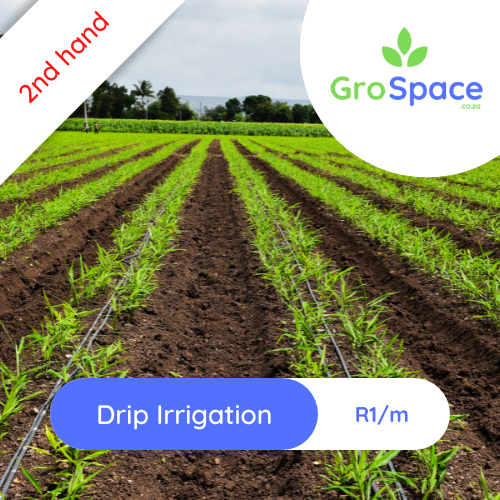
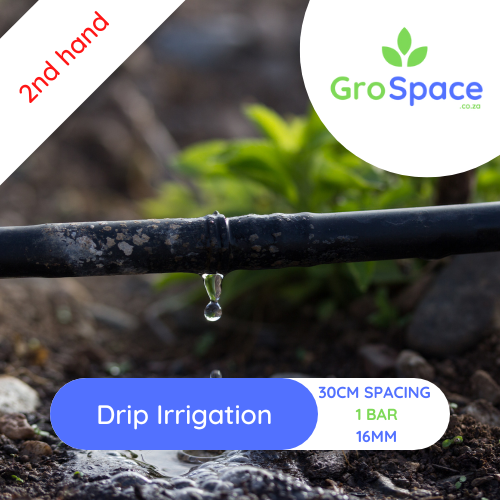
Drip irrigation delivers water directly to the root zone of each plant, ensuring precise and targeted water delivery. This precision helps minimize water waste by avoiding overspray or runoff commonly associated with traditional sprinkler systems. By supplying water directly to the roots, drip irrigation ensures that plants receive the necessary moisture without wetting the foliage. This reduces the risk of foliar diseases, such as fungal infections, and promotes overall plant health.

GroSpace - Cheap Irrigation

Water Conservation

Water scarcity is a growing concern in many regions, making efficient water usage crucial in vegetable production. Drip irrigation is designed to be highly efficient, minimizing water loss due to evaporation or deep percolation. The slow and consistent application of water allows plants to efficiently uptake the moisture, reducing water waste. Additionally, by delivering water directly to the root zone, drip irrigation helps prevent unnecessary moisture loss through surface evaporation. Overall, drip irrigation can significantly contribute to water conservation efforts in vegetable production.

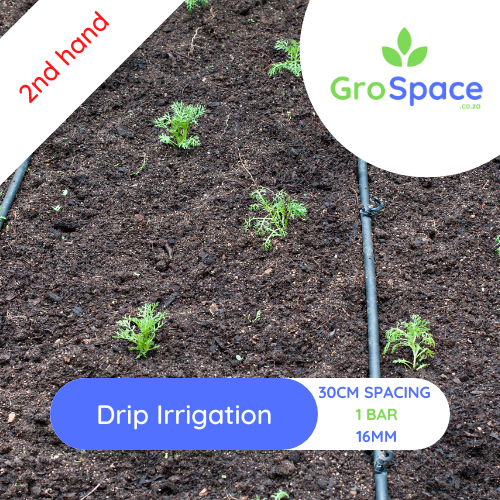
GroSpace - Drip Irrigation 2nd hand (2)

Weed Control

Weeds compete with vegetable plants for water, nutrients, and sunlight, which can impact crop growth and yield. Drip irrigation can aid in weed control by delivering water only to the desired plant’s root zone. By keeping the spaces between the plants relatively dry which inhibits weed germination and growth. This reduces the need for manual weeding or herbicide applications, minimizing labor and potential negative environmental impacts.

GroSpace - Drip Irrigation

Disease Prevention with drip irrigation

Fungal and bacterial diseases are common challenges in vegetable production, and many of these diseases thrive in wet conditions. By minimizing foliage wetting, drip irrigation helps reduce the risk of disease development. Wet leaves provide an ideal environment for pathogens to thrive and spread. Drip irrigation’s targeted water application keeps foliage dry, creating unfavorable conditions for disease-causing organisms. This can lead to healthier plants and a decreased reliance on fungicides or other disease management interventions.

GroSpace - Drip Irrigation 2nd hand (4)

Enhanced Crop Quality and Yield

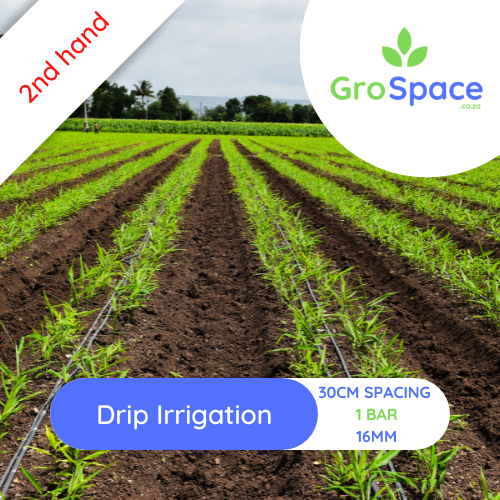
Drip irrigation’s ability to deliver consistent moisture directly to the plant’s root zone promotes optimal plant growth and development. The controlled water supply ensures that plants receive the necessary hydration, leading to healthier and more vigorous crops. The improved water uptake and reduced stress from uneven watering can result in enhanced crop quality, including better flavor, texture, and appearance. Additionally, efficient use of water and nutrients can contribute to higher vegetable yields.

GroSpace - Drip Irrigation 2nd hand

Nutrient Management with drip irrigation

Vegetable crops require a balanced supply of nutrients for optimal growth and productivity. Drip irrigation allows for precise nutrient management by incorporating fertilizers directly into the irrigation system. This fertigation method delivers nutrients directly to the plant’s root zone, ensuring efficient uptake and minimizing nutrient leaching. Farmers can tailor nutrient applications to meet specific crop requirements, leading to improved nutrient utilization and reduced fertilizer waste.

In conclusion, drip irrigation is highly beneficial for vegetable production. Its precise water delivery, water conservation capabilities, weed control benefits, disease prevention, enhanced crop quality and yield, and nutrient management advantages make it an ideal choice for vegetable growers. By adopting these efficient systems, farmers can optimize water and nutrient use, improve plant health, and increase overall productivity. Whether in small-scale vegetable gardens or large commercial operations which can significantly contribute to sustainable and successful vegetable production.

Here are some interesting links that you might want to check out:

Posted on

Water rights – 75% black owned

Is South Africa considering cutting water rights to non-black farmers to supply black farmers with water rights?

No, South Africa is not considering cutting water rights to supply black people with water rights. The South African government is committed to providing universal access to water for all citizens, regardless of race. In fact, the country’s constitution guarantees the right to water for all.

However, there are some challenges to providing water to everyone in South Africa. The country is a water-scarce country, and the population is growing rapidly. This means that there is not enough water to meet everyone’s needs. In addition, the country’s infrastructure is aging and in need of repair. This makes it difficult to distribute water efficiently.

The South African government is working to address these challenges. The government is investing in new water infrastructure, and it is working to improve water management practices. The government is also working to raise awareness about the importance of water conservation.

The government’s efforts are starting to pay off. The number of people without access to water has been declining in recent years. However, there is still more work to be done. The South African government is committed to providing universal access to water for all citizens, and it is working hard to achieve this goal.

Here are some additional details about the challenges that South Africa faces in providing water to its citizens:

  • The country’s climate is becoming increasingly unpredictable, due to climate change. This makes it difficult to plan for water resources.
  • The country’s population is growing rapidly, which puts a strain on water resources.
  • The country’s infrastructure is aging and in need of repair. This makes it difficult to distribute water efficiently.

Despite these challenges, the South African government is committed to providing universal access to water for all citizens. The government is investing in new water infrastructure, and it is working to improve water management practices. The government is also working to raise awareness about the importance of water conservation.

Have you heard about the government bill to allow water rights to farmers with 75% black ownership?

The bill, which was introduced by the Department of Water and Sanitation, is intended to address the historical inequality in water ownership in South Africa.

Currently, the majority of water rights in South Africa are held by white farmers. This is a legacy of apartheid, when the government systematically discriminated against black farmers. As a result, black farmers have had less access to water and have been less able to develop their agricultural businesses.

The proposed bill would require that all new water rights be granted to farmers with at least 75% black ownership. This would ensure that black farmers have a fairer chance to access water and to develop their agricultural businesses.

The bill has been met with mixed reactions. Some people have welcomed the bill, arguing that it is a necessary step to address the historical inequality in water ownership. Others have criticized the bill, arguing that it is unfair to white farmers and that it will lead to a decline in agricultural production.

The bill is currently being debated in Parliament. It is not yet clear whether the bill will be passed into law.

Here are some additional details about the proposed bill:

  • The bill would apply to all new water rights, including rights for irrigation, domestic use, and industrial use.
  • The bill would not affect existing water rights.
  • The bill would be implemented over a period of 10 years.

The bill has been met with mixed reactions from farmers and other stakeholders. Some farmers have welcomed the bill, arguing that it is a necessary step to address the historical inequality in water ownership. Others have criticized the bill, arguing that it is unfair to white farmers and that it will lead to a decline in agricultural production.

It is not yet clear whether the bill will be passed into law. If it is passed, it will have a significant impact on water rights in South Africa.

What impact will this have on commercial agricultur, considering foreign investors concerns for under skilled farmers?

The proposed bill to allow water rights to farmers with 75% black ownership could have a significant impact on commercial agriculture in South Africa.

On the one hand, the bill could help to address the historical inequality in water ownership in South Africa. This would be a positive step for black farmers, who have been disproportionately affected by apartheid-era policies. The bill could also help to promote economic development in rural areas, as black farmers would be able to use water rights to develop their agricultural businesses.

On the other hand, the bill could have a negative impact on commercial agriculture. White farmers, who currently hold the majority of water rights, could be forced to sell their land or to reduce their operations. This could lead to a decline in agricultural production, which could have a negative impact on the South African economy.

Foreign investors are also concerned about the proposed bill. They are worried that the bill will make it more difficult for them to invest in South African agriculture. This is because the bill would make it more difficult for them to acquire water rights, which are essential for agricultural production.

It is not yet clear what the impact of the proposed bill will be on commercial agriculture. However, it is clear that the bill has the potential to have a significant impact on the South African economy.

Here are some additional thoughts on the impact of the bill on foreign investors:

  • Foreign investors may be less likely to invest in South African agriculture if they are concerned about the ability of black farmers to manage water resources effectively.
  • Foreign investors may also be less likely to invest in South African agriculture if they are concerned about the political stability of the country.

The impact of the bill on foreign investment will depend on a number of factors, including the final wording of the bill, the reaction of the South African government, and the reaction of the international community.

The water rights bill in a nutshell

The Water and Sanitation Amendment Bill, 2022 is a bill that was introduced in the South African Parliament on 10 February 2022. The bill seeks to amend the Water Act, 1998, to address the historical inequality in water ownership in South Africa.

The bill proposes a number of changes to the Water Act, including:

  • Requiring that all new water rights be granted to farmers with at least 75% black ownership.
  • Requiring that all water rights be reviewed every 10 years to ensure that they are being used in a fair and equitable manner.
  • Creating a new water rights tribunal to hear appeals from farmers who are denied water rights.

The bill has been met with mixed reactions. Some people have welcomed the bill, arguing that it is a necessary step to address the historical inequality in water ownership. Others have criticized the bill, arguing that it is unfair to white farmers and that it will lead to a decline in agricultural production.

The bill is currently being debated in Parliament. It is not yet clear whether the bill will be passed into law.

Here are some additional details about the bill:

  • The bill would apply to all new water rights, including rights for irrigation, domestic use, and industrial use.
  • The bill would not affect existing water rights.
  • The bill would be implemented over a period of 10 years.

The bill has been met with mixed reactions from farmers and other stakeholders. Some farmers have welcomed the bill, arguing that it is a necessary step to address the historical inequality in water ownership. Others have criticized the bill, arguing that it is unfair to white farmers and that it will lead to a decline in agricultural production.

It is not yet clear whether the bill will be passed into law. If it is passed, it will have a significant impact on water rights in South Africa.

Here are some of the potential impacts of the bill:

  • Increased access to water for black farmers
  • Increased economic development in rural areas
  • Reduced agricultural production
  • Decreased foreign investment in South African agriculture

The impact of the bill will depend on a number of factors, including the final wording of the bill, the reaction of the South African government, and the reaction of the international community.

How can I make my voice heard?

There are a number of ways that you can engage with the Water and Sanitation Amendment Bill.

  • Read the bill: The first step is to read the bill and understand its provisions. You can find the bill on the website of the South African Parliament.
  • Contact your MP: Once you have read the bill, you can contact your MP and let them know your thoughts on the bill. You can find your MP’s contact information on the website of the South African Parliament.
  • Attend a public hearing: The Department of Water and Sanitation is holding a number of public hearings on the bill. You can attend a public hearing to express your views on the bill.
  • Submit a written submission: You can also submit a written submission to the Department of Water and Sanitation. Your submission should include your name, address, and contact information. It should also include your views on the bill.

The Department of Water and Sanitation will consider all submissions when drafting the final version of the bill. Your input can help to shape the final bill.

Here are some additional tips for engaging with the bill:

  • Be clear and concise in your communication.
  • Be respectful of other people’s views.
  • Be prepared to answer questions about your views.
  • Be persistent. It may take some time for your views to be heard.

The Water and Sanitation Amendment Bill is an important piece of legislation. It has the potential to improve water access and sanitation for millions of South Africans. By engaging with the bill, you can help to ensure that the bill is fair and equitable.