
Drip Irrigation: Revolutionizing Water-efficient Farming
Introduction
Drip irrigation is transforming the way we approach farming and water management. This innovative technique has proven to be a game-changer for farmers worldwide, significantly enhancing water efficiency and crop yields.
How Drip Irrigation Works
Drip irrigation delivers water directly to the base of each plant using a network of tubes, pipes, and emitters. Unlike traditional methods that flood entire fields, this precision-based approach minimizes water wastage and ensures that plants receive just the right amount of moisture they need.
The Components of Drip Irrigation
- Emitters: These small devices release water in controlled, uniform drips, ensuring even distribution across the field.
- Tubing and Pipes: Drip systems consist of durable tubing and pipes that transport water from the source to the emitters.
- Filters: Filters prevent debris and contaminants from clogging the emitters, maintaining consistent water flow.
- Pressure Regulators: Regulators ensure that the water pressure remains at the optimal level for efficient irrigation.
The Benefits of Drip Irrigation
Drip irrigation offers numerous advantages:
1. Water Conservation
By delivering water directly to plant roots, drip systems reduce water wastage through evaporation and runoff.
2. Increased Crop Yield
Plants receive a consistent water supply, leading to healthier growth and higher yields.
3. Enhanced Nutrient Delivery
Farmers can integrate fertilizers into the drip system, ensuring precise nutrient delivery to plants.
4. Weed Control
Targeted irrigation minimizes weed growth between rows, reducing the need for herbicides.
5. Energy Savings
Compared to traditional irrigation methods, drip systems require less energy, leading to cost savings.
Applications
Drip irrigation is adaptable and finds applications in various fields:
Agriculture
From row crops to orchards and vineyards, farmers are embracing drip irrigation to optimize water use and boost yields.
Gardening
Home gardeners use drip systems to maintain lush, water-efficient landscapes.
Greenhouses
Drip systems create ideal growing conditions in controlled environments, enhancing greenhouse crop production.
Conclusion
Drip irrigation represents a sustainable and efficient solution to the water challenges faced by agriculture. As the world grapples with increasing water scarcity, this technology will continue to play a pivotal role in ensuring food security and responsible water management.
-
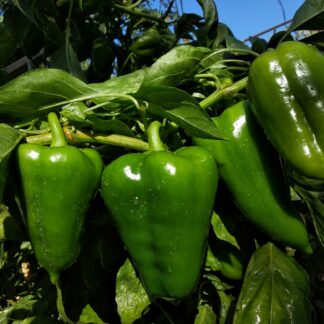
Peppers, Green
R20.00 -

Phone call
R10.00 -
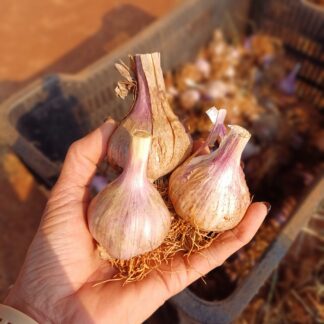
Pink Egyptian Garlic R70 per Kilogram
R70.00 -
Plastic combi nipples
R14.00 -
Poltek 12L Drinker Standing
R0.00 -
Potch Koekoek chicks DOC box
R0.00 -
Potch Koekoek DOC box
R0.00 -
Pre washed and cut spinach (2.5kg)
R60.00 -
Pudo
R10.00
Here are some interesting articles to read about drip irrigation
- The Economic Benefits of Drip Irrigation in Agriculture
- The Role of Drip Irrigation in Sustainable Agriculture
- Understanding the Environmental Impact of Drip Irrigation
- 10 Interesting Facts About Drip Irrigation
- Info about Farming with Drip Irrigation
- How to Use Drip Irrigation?
- Is Drip Irrigation Exported?
- Drip Irrigation Packaging
- 5 Benefits for Gardening and Farming with Drip Irrigation
- How to Install Drip Irrigation?
- Is Drip Irrigation Good for Vegetable Production?
- Farming Benefits of Drip Irrigation
- What Happens When You Farm with Drip Irrigation?