
Drip irrigation, hailed for its water-efficient and precise watering capabilities, has revolutionized agricultural practices worldwide. As farmers and gardeners recognize the benefits of this irrigation method, a common question arises: Is drip irrigation exported? In this article, we explore the global reach of drip irrigation systems and shed light on their exportation.
Drip irrigation, originally developed in arid regions, has rapidly gained popularity in various parts of the world. Its efficient water usage, improved crop yields, and sustainable practices have made it a sought-after irrigation method for agricultural and horticultural purposes. As a result, the exportation of drip irrigation systems has expanded to meet the growing demand across continents.
- Global Market Penetration:
Drip irrigation systems have achieved significant market penetration worldwide. They are exported to countries with diverse climates, ranging from dry regions with water scarcity to temperate zones with varying rainfall patterns. The technology and expertise behind drip irrigation have been shared and adapted, allowing farmers in different parts of the world to benefit from this irrigation method. - Leading Exporting Countries:
Several countries have emerged as key exporters of drip irrigation systems. Israel, known for its expertise in water management, has played a pivotal role in developing and exporting drip irrigation technologies. Other leading exporters include the United States, India, Spain, and China. These countries have established manufacturing facilities and research centers that produce and export high-quality drip irrigation products. - Exported Components and Systems:
Drip irrigation systems consist of various components, including drip lines, emitters, filters, valves, and controllers. These components are manufactured and exported individually or as complete systems. Exported drip irrigation systems often include comprehensive packages that cater to different farm sizes and crop types, allowing farmers around the world to adopt this efficient irrigation method. - Customization and Adaptation:
Drip irrigation systems can be customized and adapted to suit the specific needs of different regions and crops. Exported systems are designed to accommodate variations in water quality, soil conditions, and farming practices. Manufacturers work closely with local distributors and agricultural experts to ensure that exported systems are tailored to the requirements of the target markets. - Training and Support:
Exported drip irrigation systems are often accompanied by training and support programs. Manufacturers and distributors provide technical assistance, guidance on system installation, and agronomic support to help farmers effectively implement and optimize the use of drip irrigation. These initiatives contribute to the successful adoption of drip irrigation in diverse agricultural landscapes. - Impact on Global Agriculture:
The exportation of drip irrigation systems has had a significant impact on global agriculture. By providing farmers worldwide with access to water-efficient and sustainable irrigation technologies, drip irrigation has enhanced crop productivity, reduced water consumption, and improved overall farm profitability. It has enabled farmers to overcome water scarcity challenges, optimize resource utilization, and contribute to food security. - Adoption Challenges and Opportunities:
While the adoption of drip irrigation systems has seen remarkable growth, challenges persist. Affordability, access to technical knowledge, and infrastructure limitations can hinder widespread adoption in some regions. However, these challenges also present opportunities for collaboration and knowledge sharing among exporting countries, importers, and international organizations to address barriers and promote the adoption of drip irrigation globally.
In conclusion, drip irrigation systems are indeed exported worldwide, enabling farmers across different continents to benefit from this efficient irrigation method. The exportation of drip irrigation has facilitated the transfer of knowledge, technology, and expertise, contributing to sustainable agriculture practices and improved water management on a global scale. With continued efforts to address adoption challenges and promote knowledge exchange, the reach and impact of drip irrigation are expected to expand further, benefiting farmers and ecosystems around the world.
-
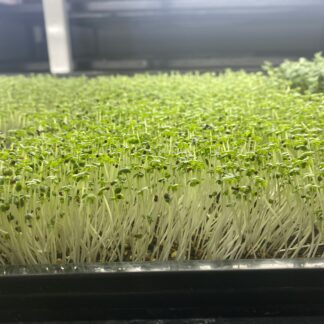
Mizuna Mustard
-

Mizuna Mustard 150g
R39.80 -

Nationwide Delivery for Livestock
R29,999.00 -
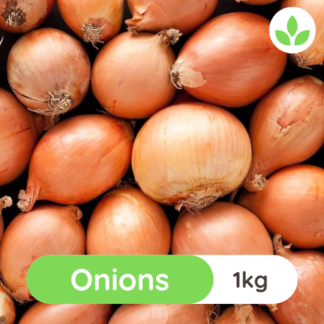
Onions
R10.00 – R24.00 -

Onions 10kg Romance Class 2
R65.00 -
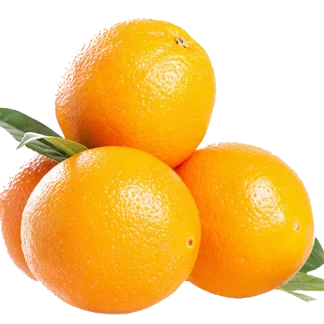
Oranges
-

Organic Microwavable Wheat Bag Set
R150.00 -

Pak choi Microgreens 150g
R102.63 -
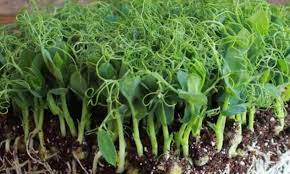
Peas Microgreens 150g
R40.48
Here are some interesting articles to read about drip irrigation
- The Economic Benefits of Drip Irrigation in Agriculture
- The Role of Drip Irrigation in Sustainable Agriculture
- Understanding the Environmental Impact of Drip Irrigation
- 10 Interesting Facts About Drip Irrigation
- Info about Farming with Drip Irrigation
- How to Use Drip Irrigation?
- Is Drip Irrigation Exported?
- Drip Irrigation Packaging
- 5 Benefits for Gardening and Farming with Drip Irrigation
- How to Install Drip Irrigation?
- Is Drip Irrigation Good for Vegetable Production?
- Farming Benefits of Drip Irrigation
- What Happens When You Farm with Drip Irrigation?