Sustainable agriculture aims to balance economic viability, social equity, and environmental responsibility in food production. In this context, drip irrigation has emerged as a crucial tool for farmers seeking sustainable farming practices. This article explores the role of drip irrigation in sustainable agriculture and highlights its numerous benefits for farmers and the environment.
- Water Efficiency:
Water scarcity is a pressing global concern, and drip irrigation addresses this challenge by maximizing water efficiency. With drip irrigation, water is delivered directly to the plant’s root zone, minimizing water loss through evaporation and runoff. Compared to traditional irrigation methods, such as flood irrigation or overhead sprinklers, drip irrigation can save significant amounts of water. This efficient water use allows farmers to cultivate crops while conserving precious water resources. - Nutrient Management:
Drip irrigation enables precise nutrient management through a technique known as fertigation. Fertigation involves injecting fertilizers directly into the irrigation system, delivering nutrients directly to the plant’s root zone. This targeted application ensures optimal nutrient uptake by the plants, minimizing nutrient leaching and reducing the need for excessive fertilizer use. By improving nutrient efficiency, drip irrigation promotes sustainable farming practices and reduces the environmental impact of nutrient runoff. - Soil Health and Conservation:
Drip irrigation plays a vital role in maintaining soil health and preventing erosion. By delivering water directly to the root zone, it minimizes soil compaction and erosion risks associated with surface flooding or sprinkler systems. The controlled water application of drip irrigation also helps maintain soil structure, moisture balance, and microbial activity. As a result, soil erosion is reduced, organic matter content is preserved, and the overall health and fertility of the soil are enhanced. - Weed and Pest Management:
Drip irrigation can contribute to sustainable weed and pest management practices. By delivering water directly to the plant’s root zone, the areas between the plants remain relatively dry, creating an unfavorable environment for weed germination and growth. This reduces the need for herbicides or manual weeding, promoting a more environmentally friendly approach. Additionally, drip irrigation can facilitate targeted pest control by applying insecticides directly to the root zone, minimizing pesticide drift and reducing environmental impacts. - Energy Efficiency:
Compared to other irrigation methods, drip irrigation is energy-efficient. It operates at lower pressure and requires less energy for water distribution. This energy efficiency not only reduces operational costs for farmers but also contributes to a lower carbon footprint. By reducing energy consumption, drip irrigation supports sustainable agricultural practices and helps mitigate the impacts of climate change. - Crop Yield and Quality:
Drip irrigation has been shown to enhance crop yields and improve crop quality. By providing plants with a consistent and optimal water supply, drip irrigation minimizes water stress, promotes healthy growth, and reduces yield losses. Additionally, the precise control over water and nutrient delivery allows farmers to fine-tune growing conditions, resulting in better-quality produce with higher nutritional value. - Environmental Stewardship:
Drip irrigation aligns with the principles of environmental stewardship by reducing water usage, minimizing chemical runoff, and preserving soil health. By adopting drip irrigation, farmers demonstrate their commitment to sustainable agricultural practices and contribute to the preservation of natural resources and ecosystems.
In conclusion, drip irrigation plays a crucial role in sustainable agriculture by improving water efficiency, nutrient management, soil health, and pest control while promoting energy efficiency and enhancing crop yield and quality. By integrating drip irrigation into their farming practices, farmers can embrace sustainability and contribute to a more resilient and environmentally responsible food production system.
-
Chef blend 2 Microgreens 500g
R153.95 -
Chia Seed
R38.99 – R81,999.00 -
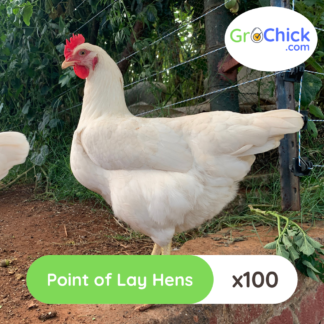
Chicken egg layers – Laying hens
Original price was: R180.00.R160.00Current price is: R160.00. -
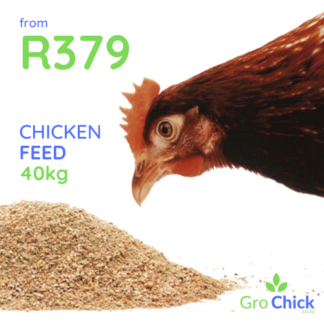
Chicken feed
R99.00 – R420.00 -

Chicken feed ALZU Nelspruit
R0.00 -
Chickens for sale
R55.00 – R141,550.00 -
Chickens for sale – Off layers
R65.00 – R60,000.00 -
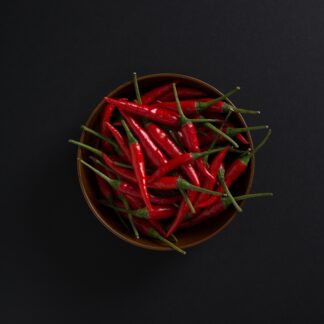
Chilli, Red
R25.00 -
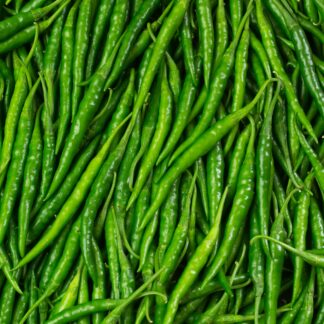
Chillies, Green
R25.00
Here are some interesting articles to read about drip irrigation
- The Economic Benefits of Drip Irrigation in Agriculture
- The Role of Drip Irrigation in Sustainable Agriculture
- Understanding the Environmental Impact of Drip Irrigation
- 10 Interesting Facts About Drip Irrigation
- Info about Farming with Drip Irrigation
- How to Use Drip Irrigation?
- Is Drip Irrigation Exported?
- Drip Irrigation Packaging
- 5 Benefits for Gardening and Farming with Drip Irrigation
- How to Install Drip Irrigation?
- Is Drip Irrigation Good for Vegetable Production?
- Farming Benefits of Drip Irrigation
- What Happens When You Farm with Drip Irrigation?