Posted on

Why use irrigation taps?

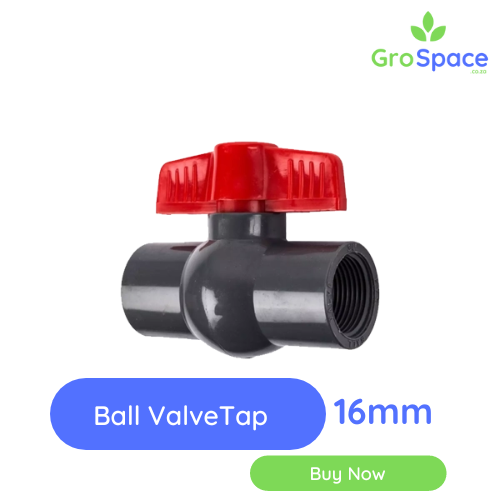
GroSpace - Ball valve

Irrigation taps offer several advantages and are commonly used for various purposes in gardening, landscaping, and agricultural settings. Here are some key reasons why you would use irrigation taps:

  1. Efficient Water Distribution: Irrigation taps allow for controlled water distribution, ensuring that plants receive the right amount of water they need. By connecting the tap to your water source, such as a garden hose or irrigation system, you can easily regulate the flow of water to provide optimal irrigation. This helps prevent overwatering or underwatering, promoting healthier plant growth and reducing water wastage.
  2. Customizable Watering: With irrigation taps, you have the flexibility to adjust the water flow according to the specific needs of different plants or areas in your garden. Whether you have delicate seedlings that require a gentle mist or established plants that need a steady stream, irrigation taps allow you to customize the water output. This precision in watering ensures that each plant receives the appropriate amount of water for its growth stage and requirements.
  3. Water Conservation: Irrigation taps contribute to water conservation efforts by promoting efficient water usage. The ability to control the water flow and shut off the tap when not in use helps prevent unnecessary water wastage. By using irrigation taps, you can reduce water consumption, lower your water bills, and minimize the environmental impact associated with excessive water use.
  4. Convenience and Time-Saving: Using irrigation taps simplifies the process of watering your plants. Instead of manually carrying water or relying on inefficient watering methods, you can easily connect your irrigation system or garden hose to the tap. This saves time and effort, particularly for larger gardens or agricultural fields, where manually watering each plant can be time-consuming.
  5. Versatility: Irrigation taps are versatile and can be used in various settings. Whether you have a small garden, a commercial farm, or a landscaping project, irrigation taps can be integrated into different irrigation systems or setups. They are compatible with different types of hoses, pipes, and connectors, allowing for seamless integration into your existing irrigation infrastructure.
  6. Better Plant Health: Proper and consistent irrigation is crucial for maintaining the health and vitality of your plants. Irrigation taps enable you to deliver water directly to the root zone of the plants, promoting healthy root development and efficient nutrient uptake. This targeted watering helps prevent diseases caused by excessive moisture on leaves or surface-level watering.

Overall, irrigation taps provide a convenient, efficient, and customizable solution for watering plants. They promote water conservation, save time, and contribute to healthier plant growth. Whether you are a home gardener or a professional in the agricultural industry, irrigation taps are a valuable tool for effective and controlled irrigation.

Are irrigation taps effective for vegetable production?

Yes, irrigation taps are highly effective for vegetable production. Vegetables generally have specific water requirements, and using irrigation taps allows you to deliver water directly to the root zone of the plants, ensuring efficient and targeted irrigation. Here are some reasons why irrigation taps are beneficial for vegetable production:

  1. Precise Watering: Different vegetables have varying water needs, and irrigation taps enable you to adjust the water flow and provide the right amount of water for each vegetable variety. This precision in watering helps prevent overwatering or underwatering, which can negatively impact plant health and yield. By delivering water directly to the root zone, you optimize water uptake and promote healthy growth.
  2. Consistent Moisture Levels: Vegetables often require consistent soil moisture levels to thrive. Irrigation taps allow you to maintain consistent moisture in the root zone, which is especially important during critical growth stages such as germination, seedling establishment, flowering, and fruit development. Consistent moisture helps prevent stress, blossom-end rot, cracking, and other water-related issues that can affect vegetable quality.
  3. Water Efficiency: Irrigation taps provide efficient water usage, reducing water wastage compared to traditional watering methods. The controlled flow and on/off functionality of the taps ensure that water is used only when needed. By avoiding surface-level watering or excessive runoff, you optimize water conservation efforts and minimize water loss.
  4. Disease Prevention: Proper irrigation is crucial for minimizing the risk of diseases in vegetable crops. Irrigation taps allow you to avoid wetting the foliage, which can promote the spread of fungal and bacterial diseases. By delivering water directly to the root zone, you reduce leaf moisture and decrease the likelihood of disease development, resulting in healthier plants and higher yields.
  5. Time and Labor Savings: In vegetable production, where large areas or multiple beds need to be irrigated, using irrigation taps saves time and reduces labor requirements. Instead of manually watering each plant or bed, you can set up an irrigation system with taps strategically placed throughout the growing area. This allows for efficient irrigation and frees up time for other essential tasks in vegetable cultivation.
  6. Scalability: Whether you have a small vegetable garden or a larger-scale agricultural operation, irrigation taps can be scaled and integrated into various irrigation systems. They can be incorporated into drip irrigation systems, soaker hoses, or sprinkler setups, adapting to the specific needs of your vegetable crops.

In summary, irrigation taps are highly effective for vegetable production. They provide precise watering, promote water efficiency, prevent diseases, save time and labor, and offer scalability for different production scales. By using irrigation taps, you can optimize irrigation practices and support the healthy growth and abundant yield of your vegetable crops.

Posted on

Understanding the Environmental Impact of Drip Irrigation

Drip Irrigation: Revolutionizing Water-efficient Farming

Introduction

Drip irrigation is transforming the way we approach farming and water management. This innovative technique has proven to be a game-changer for farmers worldwide, significantly enhancing water efficiency and crop yields.

How Drip Irrigation Works

Drip irrigation delivers water directly to the base of each plant using a network of tubes, pipes, and emitters. Unlike traditional methods that flood entire fields, this precision-based approach minimizes water wastage and ensures that plants receive just the right amount of moisture they need.

The Components of Drip Irrigation

  1. Emitters: These small devices release water in controlled, uniform drips, ensuring even distribution across the field.
  2. Tubing and Pipes: Drip systems consist of durable tubing and pipes that transport water from the source to the emitters.
  3. Filters: Filters prevent debris and contaminants from clogging the emitters, maintaining consistent water flow.
  4. Pressure Regulators: Regulators ensure that the water pressure remains at the optimal level for efficient irrigation.

The Benefits of Drip Irrigation

Drip irrigation offers numerous advantages:

1. Water Conservation

By delivering water directly to plant roots, drip systems reduce water wastage through evaporation and runoff.

2. Increased Crop Yield

Plants receive a consistent water supply, leading to healthier growth and higher yields.

3. Enhanced Nutrient Delivery

Farmers can integrate fertilizers into the drip system, ensuring precise nutrient delivery to plants.

4. Weed Control

Targeted irrigation minimizes weed growth between rows, reducing the need for herbicides.

5. Energy Savings

Compared to traditional irrigation methods, drip systems require less energy, leading to cost savings.

Applications

Drip irrigation is adaptable and finds applications in various fields:

Agriculture

From row crops to orchards and vineyards, farmers are embracing drip irrigation to optimize water use and boost yields.

Gardening

Home gardeners use drip systems to maintain lush, water-efficient landscapes.

Greenhouses

Drip systems create ideal growing conditions in controlled environments, enhancing greenhouse crop production.

Conclusion

Drip irrigation represents a sustainable and efficient solution to the water challenges faced by agriculture. As the world grapples with increasing water scarcity, this technology will continue to play a pivotal role in ensuring food security and responsible water management.

Here are some interesting articles to read about drip irrigation

  1. The Economic Benefits of Drip Irrigation in Agriculture
  2. The Role of Drip Irrigation in Sustainable Agriculture
  3. Understanding the Environmental Impact of Drip Irrigation
  4. 10 Interesting Facts About Drip Irrigation
  5. Info about Farming with Drip Irrigation
  6. How to Use Drip Irrigation?
  7. Is Drip Irrigation Exported?
  8. Drip Irrigation Packaging
  9. 5 Benefits for Gardening and Farming with Drip Irrigation
  10. How to Install Drip Irrigation?
  11. Is Drip Irrigation Good for Vegetable Production?
  12. Farming Benefits of Drip Irrigation
  13. What Happens When You Farm with Drip Irrigation?
Posted on

Farming Benefits of Drip Irrigation

Farming is a complex and demanding endeavor that requires careful consideration of various factors, including irrigation methods. Drip irrigation has emerged as a popular choice among farmers due to its numerous benefits and positive impact on agricultural practices. In this article, we will explore the farming benefits of drip irrigation and how it can revolutionize crop production.

  1. Water Efficiency:
    Water scarcity is a significant concern in farming, particularly in regions with limited water resources. Drip irrigation excels in water efficiency by delivering water directly to the plant’s root zone. This targeted approach reduces water waste by minimizing evaporation, runoff, and deep percolation. Compared to traditional irrigation methods, such as flood irrigation or sprinklers, drip irrigation can achieve water savings of up to 50%. Conserving water not only helps farmers reduce their environmental footprint but also ensures sustainable water management for future agricultural needs.
  2. Improved Crop Health:
    Drip irrigation promotes optimal crop health by providing a consistent and controlled water supply. By delivering water directly to the roots, plants receive a steady and reliable source of moisture. This steady moisture supply minimizes stress and fluctuations in soil moisture levels, reducing the risk of overwatering or underwatering. Maintaining appropriate soil moisture levels enhances nutrient uptake, reduces the incidence of diseases related to excess moisture, and promotes overall plant vigor. As a result, farmers can expect healthier crops with improved resilience and higher yields.
  3. Enhanced Nutrient Management:
    Efficient nutrient management is critical for crop growth and productivity. Drip irrigation allows farmers to incorporate fertilizers directly into the irrigation system through a process known as fertigation. This method enables precise and targeted nutrient application, delivering essential elements directly to the root zone. By providing nutrients in the right quantity and at the right time, drip irrigation optimizes nutrient uptake and minimizes nutrient loss through leaching or volatilization. This precise nutrient management improves crop health, minimizes fertilizer waste, and ultimately leads to better yields.
  4. Weed Control and Soil Health:
    Weeds can significantly impact crop growth and compete for vital resources, including water and nutrients. Drip irrigation aids in weed control by delivering water only to the plant’s root zone, leaving the inter-row spaces relatively dry. Dry inter-row areas discourage weed germination and growth, reducing the need for manual weeding or herbicide applications. Additionally, drip irrigation promotes soil health by minimizing soil erosion and compaction, as water is applied directly to the root zone without disturbing the soil surface. This supports a favorable soil environment for crop growth and beneficial soil organisms.
  5. Labor and Time Savings:
    Compared to labor-intensive irrigation methods like flood irrigation or hand-watering, drip irrigation offers significant labor and time savings. Once installed, drip irrigation systems require minimal maintenance and can be easily automated. Farmers can set timers or use sensor-based technologies to control irrigation schedules, reducing the need for manual intervention. The time saved from irrigation tasks can be allocated to other farm management activities, increasing overall operational efficiency and productivity.
  6. Scalability and Flexibility:
    Drip irrigation systems are highly scalable and adaptable to various farm sizes and crop types. Whether cultivating small plots or large-scale operations, farmers can customize drip irrigation layouts to meet their specific needs. Drip lines can be easily adjusted, expanded, or repositioned as crops are rotated or fields are reconfigured. This scalability and flexibility make drip irrigation suitable for diverse farming operations, including field crops, orchards, vineyards, and greenhouse production.

In conclusion, drip irrigation offers a multitude of farming benefits that can revolutionize crop production. Its water efficiency, improved crop health, enhanced nutrient management, weed control capabilities, labor and time savings, and scalability make it an attractive choice for farmers worldwide. By embracing drip irrigation, farmers can achieve sustainable and efficient irrigation practices, resulting in higher yields, reduced environmental impact, and overall farm profitability.

Here are some interesting articles to read about drip irrigation

  1. The Economic Benefits of Drip Irrigation in Agriculture
  2. The Role of Drip Irrigation in Sustainable Agriculture
  3. Understanding the Environmental Impact of Drip Irrigation
  4. 10 Interesting Facts About Drip Irrigation
  5. Info about Farming with Drip Irrigation
  6. How to Use Drip Irrigation?
  7. Is Drip Irrigation Exported?
  8. Drip Irrigation Packaging
  9. 5 Benefits for Gardening and Farming with Drip Irrigation
  10. How to Install Drip Irrigation?
  11. Is Drip Irrigation Good for Vegetable Production?
  12. Farming Benefits of Drip Irrigation
  13. What Happens When You Farm with Drip Irrigation?
Posted on

What Happens When You Farm with Drip Irrigation?

Farming practices have evolved significantly over the years, with advancements in technology and irrigation methods playing a crucial role. Drip irrigation, in particular, has gained popularity for its efficiency and ability to revolutionize crop production. In this article, we will explore what happens when you farm with drip irrigation and the positive outcomes it brings to agricultural operations.

  1. Precise Water Delivery:
    When you farm with drip irrigation, water is delivered directly to the plant’s root zone with precision. Drip emitters or micro-sprinklers placed near the base of each plant ensure targeted water application. As a result, plants receive the exact amount of water they need, minimizing water wastage due to evaporation, runoff, or overspray. This precise water delivery optimizes plant growth and reduces the risk of water stress or nutrient leaching.
  2. Improved Water Efficiency:
    Drip irrigation is renowned for its water efficiency compared to conventional irrigation methods. By delivering water directly to the root zone, it eliminates water loss through evaporation or deep percolation. The slow and controlled application of water allows plants to absorb moisture efficiently, maximizing water usage. This water-saving feature is particularly beneficial in regions facing water scarcity or where water resources need to be conserved for other purposes.
  3. Enhanced Plant Health and Growth:
    With drip irrigation, plants experience improved health and growth. By supplying water directly to the roots, plants can efficiently absorb the necessary moisture for optimal growth. Consistent soil moisture levels help prevent under or overwatering, reducing the risk of plant stress and diseases related to water fluctuations. The enhanced plant health translates into higher yields, improved crop quality, and increased resistance to environmental stressors.
  4. Reduced Weed Growth:
    Drip irrigation can help control weed growth effectively. By delivering water only to the plant’s root zone, the areas between the plants remain relatively dry, creating an unfavorable environment for weed germination and growth. This reduces the competition for resources, such as water and nutrients, between crops and weeds. As a result, farmers can spend less time and effort on manual weeding or the application of herbicides, leading to cost savings and a more sustainable approach to weed management.
  5. Nutrient Management and Fertigation:
    Drip irrigation allows for precise nutrient management through a technique called fertigation. Fertigation involves injecting fertilizers directly into the irrigation system, delivering nutrients directly to the plant’s root zone. This targeted nutrient application ensures efficient uptake by the plants, promoting balanced growth and maximizing fertilizer utilization. With drip irrigation, farmers have greater control over nutrient delivery, leading to healthier plants and improved crop productivity.
  6. Soil Conservation:
    Drip irrigation promotes soil conservation and reduces soil erosion. Unlike traditional irrigation methods that can cause surface runoff and soil displacement, drip irrigation applies water slowly and gently to the root zone. This minimizes soil erosion and helps maintain soil structure and fertility. By preserving the integrity of the soil, farmers can cultivate crops in a sustainable manner, maintaining long-term soil health and productivity.
  7. Scalability and Adaptability:
    Drip irrigation systems are highly scalable and adaptable to various farming operations and crop types. Whether you have a small-scale garden or a large agricultural field, drip irrigation can be customized to suit your needs. The system can be easily expanded, repositioned, or modified as per changing crop requirements or field configurations. This scalability and adaptability make drip irrigation a versatile choice for farmers seeking efficient irrigation solutions.

In conclusion, farming with drip irrigation brings about numerous positive outcomes. Precise water delivery, improved water efficiency, enhanced plant health and growth, reduced weed growth, efficient nutrient management, soil conservation, and scalability are some of the key benefits of drip irrigation. By embracing this innovative irrigation method, farmers can achieve sustainable agriculture, maximize crop productivity, and contribute to water conservation efforts. Drip irrigation truly transforms the way we farm, ensuring a greener and more productive future for agriculture.

Here are some interesting articles to read about drip irrigation

  1. The Economic Benefits of Drip Irrigation in Agriculture
  2. The Role of Drip Irrigation in Sustainable Agriculture
  3. Understanding the Environmental Impact of Drip Irrigation
  4. 10 Interesting Facts About Drip Irrigation
  5. Info about Farming with Drip Irrigation
  6. How to Use Drip Irrigation?
  7. Is Drip Irrigation Exported?
  8. Drip Irrigation Packaging
  9. 5 Benefits for Gardening and Farming with Drip Irrigation
  10. How to Install Drip Irrigation?
  11. Is Drip Irrigation Good for Vegetable Production?
  12. Farming Benefits of Drip Irrigation
  13. What Happens When You Farm with Drip Irrigation?
Posted on

Drip Irrigation: Optimising Vegetable Production

Precise Water Delivery with Drip Irrigation

Drip irrigation delivers water directly to the root zone of each plant, ensuring precise and targeted water delivery. This precision helps minimize water waste by avoiding overspray or runoff commonly associated with traditional sprinkler systems. By supplying water directly to the roots, drip irrigation ensures that plants receive the necessary moisture without wetting the foliage. This reduces the risk of foliar diseases, such as fungal infections, and promotes overall plant health.

GroSpace - Cheap Irrigation

Water Conservation

Water scarcity is a growing concern in many regions, making efficient water usage crucial in vegetable production. Drip irrigation is designed to be highly efficient, minimizing water loss due to evaporation or deep percolation. The slow and consistent application of water allows plants to efficiently uptake the moisture, reducing water waste. Additionally, by delivering water directly to the root zone, drip irrigation helps prevent unnecessary moisture loss through surface evaporation. Overall, drip irrigation can significantly contribute to water conservation efforts in vegetable production.

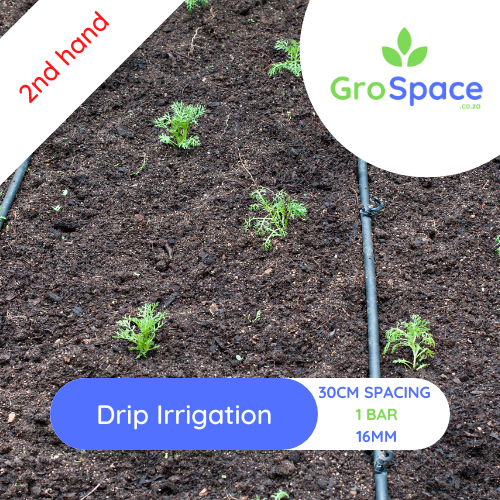
GroSpace - Drip Irrigation 2nd hand (2)

Weed Control

Weeds compete with vegetable plants for water, nutrients, and sunlight, which can impact crop growth and yield. Drip irrigation can aid in weed control by delivering water only to the desired plant’s root zone. By keeping the spaces between the plants relatively dry which inhibits weed germination and growth. This reduces the need for manual weeding or herbicide applications, minimizing labor and potential negative environmental impacts.

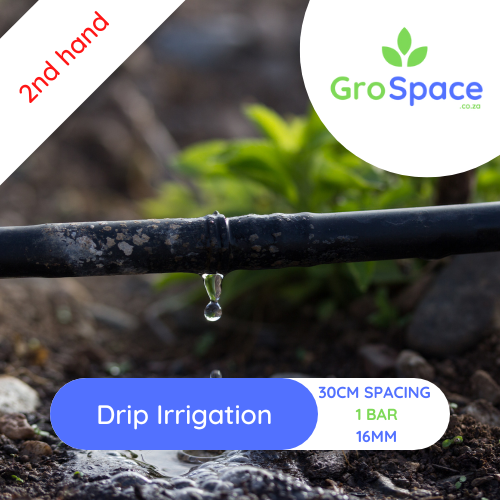
GroSpace - Drip Irrigation

Disease Prevention with drip irrigation

Fungal and bacterial diseases are common challenges in vegetable production, and many of these diseases thrive in wet conditions. By minimizing foliage wetting, drip irrigation helps reduce the risk of disease development. Wet leaves provide an ideal environment for pathogens to thrive and spread. Drip irrigation’s targeted water application keeps foliage dry, creating unfavorable conditions for disease-causing organisms. This can lead to healthier plants and a decreased reliance on fungicides or other disease management interventions.

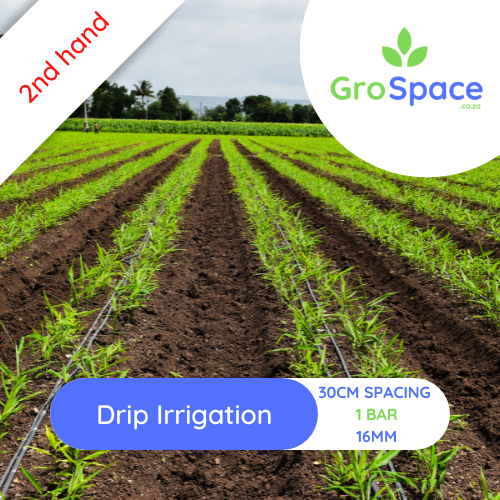
GroSpace - Drip Irrigation 2nd hand (4)

Enhanced Crop Quality and Yield

Drip irrigation’s ability to deliver consistent moisture directly to the plant’s root zone promotes optimal plant growth and development. The controlled water supply ensures that plants receive the necessary hydration, leading to healthier and more vigorous crops. The improved water uptake and reduced stress from uneven watering can result in enhanced crop quality, including better flavor, texture, and appearance. Additionally, efficient use of water and nutrients can contribute to higher vegetable yields.

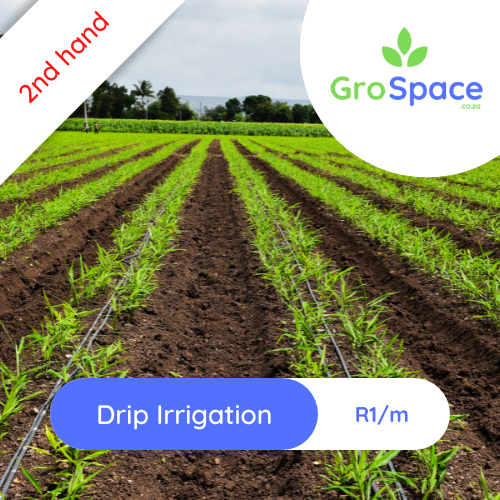
GroSpace - Drip Irrigation 2nd hand

Nutrient Management with drip irrigation

Vegetable crops require a balanced supply of nutrients for optimal growth and productivity. Drip irrigation allows for precise nutrient management by incorporating fertilizers directly into the irrigation system. This fertigation method delivers nutrients directly to the plant’s root zone, ensuring efficient uptake and minimizing nutrient leaching. Farmers can tailor nutrient applications to meet specific crop requirements, leading to improved nutrient utilization and reduced fertilizer waste.

In conclusion, drip irrigation is highly beneficial for vegetable production. Its precise water delivery, water conservation capabilities, weed control benefits, disease prevention, enhanced crop quality and yield, and nutrient management advantages make it an ideal choice for vegetable growers. By adopting these efficient systems, farmers can optimize water and nutrient use, improve plant health, and increase overall productivity. Whether in small-scale vegetable gardens or large commercial operations which can significantly contribute to sustainable and successful vegetable production.

Here are some interesting links that you might want to check out:

Posted on

Drip Irrigation Packaging

When it comes to drip irrigation, packaging plays a crucial role in ensuring the safe transport and storage of the components that make up the system. Proper packaging not only protects the integrity of the products but also facilitates efficient handling and installation. In this article, we will explore the importance of drip irrigation packaging and the key considerations involved.

  1. Product Protection:
    The primary purpose of drip irrigation packaging is to safeguard the components during transportation and storage. Drip lines, emitters, connectors, and other accessories are often delicate and susceptible to damage. Packaging materials such as sturdy boxes, bags, or tubes with appropriate cushioning and padding ensure that the components reach their destination in optimal condition, minimizing the risk of breakage or deformation.
  2. Easy Identification:
    Efficient packaging includes clear labeling and product identification. Each packaged item should be clearly marked with essential information, such as the product name, specifications, and quantity. This enables easy identification and avoids confusion during inventory management, distribution, and installation.
  3. Organized Arrangement:
    Packaging should promote organized arrangement of the components. Grouping items together based on their purpose or size simplifies the process of system assembly and installation. For example, drip lines, emitters, and connectors can be organized in separate compartments or labeled sections within the packaging, allowing users to access the required items easily.
  4. Instructional Materials:
    Packaging can also include instructional materials such as user manuals or installation guides. Clear and concise instructions help users understand the assembly process, system layout, and maintenance procedures. Including diagrams or illustrations can further assist users in comprehending the steps involved, ensuring proper installation and system functionality.
  5. Environmental Considerations:
    Sustainable packaging practices are increasingly important in the modern era. Manufacturers and distributors of drip irrigation systems should strive to use eco-friendly packaging materials that minimize waste and reduce environmental impact. This can include utilizing recyclable or biodegradable materials and optimizing packaging sizes to minimize material usage.
  6. Quantity Options:
    Drip irrigation packaging should cater to different quantity options to accommodate the diverse needs of farmers and gardeners. Packaging options can range from smaller quantities suitable for residential gardens to larger bulk packaging for commercial agricultural applications. Providing flexible quantity options enables users to choose the packaging size that best matches their project requirements, minimizing waste and ensuring cost-effectiveness.
  7. Compatibility with Storage and Distribution:
    Efficient packaging should be designed with storage and distribution in mind. Stackability, ease of handling, and compatibility with common storage and transportation methods are important considerations. Packaging that can be efficiently stored on pallets or shelves and easily loaded onto trucks or containers streamlines the logistical process, reducing time and effort during distribution.
  8. Quality Assurance:
    Packaging serves as a visual representation of the product’s quality. Well-designed, professional packaging reflects the attention to detail and care taken in manufacturing the drip irrigation components. By using high-quality packaging materials and ensuring a consistent packaging standard, manufacturers can instill confidence in customers regarding the overall quality of the products.
  9. Marketing and Branding:
    Packaging also offers an opportunity for effective marketing and branding. Including the company logo, product branding, and contact information on the packaging helps promote brand recognition and facilitates communication between customers and the manufacturer or distributor. Well-designed packaging can leave a lasting impression and create a positive association with the product and the company.

In conclusion, drip irrigation packaging plays a vital role in protecting the components, facilitating efficient handling and installation, and promoting brand identity. Proper packaging ensures the integrity of the products and provides users with clear instructions and organized arrangements for system assembly. By considering factors such as product protection, easy identification, environmental considerations, and compatibility with storage and distribution, manufacturers can enhance customer satisfaction and contribute to a seamless user experience. Effective packaging ultimately reflects the commitment to quality and professionalism.

Here are some interesting articles to read about drip irrigation

  1. The Economic Benefits of Drip Irrigation in Agriculture
  2. The Role of Drip Irrigation in Sustainable Agriculture
  3. Understanding the Environmental Impact of Drip Irrigation
  4. 10 Interesting Facts About Drip Irrigation
  5. Info about Farming with Drip Irrigation
  6. How to Use Drip Irrigation?
  7. Is Drip Irrigation Exported?
  8. Drip Irrigation Packaging
  9. 5 Benefits for Gardening and Farming with Drip Irrigation
  10. How to Install Drip Irrigation?
  11. Is Drip Irrigation Good for Vegetable Production?
  12. Farming Benefits of Drip Irrigation
  13. What Happens When You Farm with Drip Irrigation?
Posted on

Is Drip Irrigation Exported?

Drip irrigation, hailed for its water-efficient and precise watering capabilities, has revolutionized agricultural practices worldwide. As farmers and gardeners recognize the benefits of this irrigation method, a common question arises: Is drip irrigation exported? In this article, we explore the global reach of drip irrigation systems and shed light on their exportation.

Drip irrigation, originally developed in arid regions, has rapidly gained popularity in various parts of the world. Its efficient water usage, improved crop yields, and sustainable practices have made it a sought-after irrigation method for agricultural and horticultural purposes. As a result, the exportation of drip irrigation systems has expanded to meet the growing demand across continents.

  1. Global Market Penetration:
    Drip irrigation systems have achieved significant market penetration worldwide. They are exported to countries with diverse climates, ranging from dry regions with water scarcity to temperate zones with varying rainfall patterns. The technology and expertise behind drip irrigation have been shared and adapted, allowing farmers in different parts of the world to benefit from this irrigation method.
  2. Leading Exporting Countries:
    Several countries have emerged as key exporters of drip irrigation systems. Israel, known for its expertise in water management, has played a pivotal role in developing and exporting drip irrigation technologies. Other leading exporters include the United States, India, Spain, and China. These countries have established manufacturing facilities and research centers that produce and export high-quality drip irrigation products.
  3. Exported Components and Systems:
    Drip irrigation systems consist of various components, including drip lines, emitters, filters, valves, and controllers. These components are manufactured and exported individually or as complete systems. Exported drip irrigation systems often include comprehensive packages that cater to different farm sizes and crop types, allowing farmers around the world to adopt this efficient irrigation method.
  4. Customization and Adaptation:
    Drip irrigation systems can be customized and adapted to suit the specific needs of different regions and crops. Exported systems are designed to accommodate variations in water quality, soil conditions, and farming practices. Manufacturers work closely with local distributors and agricultural experts to ensure that exported systems are tailored to the requirements of the target markets.
  5. Training and Support:
    Exported drip irrigation systems are often accompanied by training and support programs. Manufacturers and distributors provide technical assistance, guidance on system installation, and agronomic support to help farmers effectively implement and optimize the use of drip irrigation. These initiatives contribute to the successful adoption of drip irrigation in diverse agricultural landscapes.
  6. Impact on Global Agriculture:
    The exportation of drip irrigation systems has had a significant impact on global agriculture. By providing farmers worldwide with access to water-efficient and sustainable irrigation technologies, drip irrigation has enhanced crop productivity, reduced water consumption, and improved overall farm profitability. It has enabled farmers to overcome water scarcity challenges, optimize resource utilization, and contribute to food security.
  7. Adoption Challenges and Opportunities:
    While the adoption of drip irrigation systems has seen remarkable growth, challenges persist. Affordability, access to technical knowledge, and infrastructure limitations can hinder widespread adoption in some regions. However, these challenges also present opportunities for collaboration and knowledge sharing among exporting countries, importers, and international organizations to address barriers and promote the adoption of drip irrigation globally.

In conclusion, drip irrigation systems are indeed exported worldwide, enabling farmers across different continents to benefit from this efficient irrigation method. The exportation of drip irrigation has facilitated the transfer of knowledge, technology, and expertise, contributing to sustainable agriculture practices and improved water management on a global scale. With continued efforts to address adoption challenges and promote knowledge exchange, the reach and impact of drip irrigation are expected to expand further, benefiting farmers and ecosystems around the world.

Here are some interesting articles to read about drip irrigation

  1. The Economic Benefits of Drip Irrigation in Agriculture
  2. The Role of Drip Irrigation in Sustainable Agriculture
  3. Understanding the Environmental Impact of Drip Irrigation
  4. 10 Interesting Facts About Drip Irrigation
  5. Info about Farming with Drip Irrigation
  6. How to Use Drip Irrigation?
  7. Is Drip Irrigation Exported?
  8. Drip Irrigation Packaging
  9. 5 Benefits for Gardening and Farming with Drip Irrigation
  10. How to Install Drip Irrigation?
  11. Is Drip Irrigation Good for Vegetable Production?
  12. Farming Benefits of Drip Irrigation
  13. What Happens When You Farm with Drip Irrigation?
Posted on

Info about Farming with Drip Irrigation

Drip irrigation has revolutionized the way farmers approach watering their crops. This efficient and precise irrigation method has gained popularity due to its numerous benefits for agricultural practices. In this article, we will delve into important information about farming with drip irrigation, highlighting its advantages and providing insights into its implementation.

  1. Water Efficiency:
    Drip irrigation is renowned for its exceptional water efficiency. Unlike traditional irrigation methods that often result in water wastage due to evaporation or runoff, drip irrigation delivers water directly to the plant’s root zone. This targeted approach minimizes water loss and maximizes plant uptake, making it a sustainable choice for farmers seeking to conserve water resources.
  2. Enhanced Crop Health and Yield:
    By providing a consistent supply of water and nutrients directly to the plant’s root zone, drip irrigation promotes optimal crop health and improved yields. This method ensures that plants receive the necessary moisture without the risk of overwatering or underwatering. The controlled delivery of water also helps reduce plant stress, enhancing overall crop quality and quantity.
  3. Weed and Disease Control:
    Drip irrigation contributes to weed control by delivering water directly to the plant’s root zone. By minimizing moisture on the soil surface, it creates an inhospitable environment for weed growth. Additionally, this irrigation method keeps the foliage dry, reducing the risk of fungal diseases that thrive in moist conditions.
  4. Nutrient Management:
    Drip irrigation allows farmers to efficiently manage nutrient application. Fertilizers can be precisely injected into the irrigation system, ensuring that plants receive the right amount of nutrients at the right time. This targeted approach minimizes nutrient wastage and reduces the environmental impact of excessive fertilizer use.
  5. Adaptability to Various Soil Types:
    One of the advantages of drip irrigation is its adaptability to different soil types. Whether it’s sandy, loamy, or clayey soil, drip irrigation systems can be adjusted to match the soil’s water-holding capacity and drainage characteristics. This versatility enables farmers to optimize water distribution and promote healthy root development across diverse agricultural landscapes.
  6. Scalability:
    Drip irrigation systems are highly scalable, accommodating farms of various sizes. From small-scale gardens to large commercial operations, drip irrigation can be tailored to meet specific requirements. Farmers can customize the system’s layout, emitter spacing, and flow rates to ensure uniform water distribution throughout the entire field.
  7. Environmental Sustainability:
    Drip irrigation aligns with sustainable farming practices by minimizing water wastage, reducing chemical runoff, and promoting efficient resource management. By using drip irrigation, farmers can contribute to preserving water resources, conserving energy, and minimizing the environmental impact of agricultural activities.
  8. Return on Investment:
    While the initial investment in drip irrigation systems may be higher compared to traditional methods, the long-term benefits often outweigh the costs. The enhanced crop yields, water savings, and improved resource management can lead to increased profitability and a positive return on investment over time.
  9. Maintenance and Monitoring:
    Proper maintenance and monitoring are essential for the effective operation of drip irrigation systems. Regular checks of emitters, filters, and pressure regulators are necessary to ensure uniform water distribution and prevent clogging. Farmers should also monitor soil moisture levels and adjust irrigation schedules accordingly to optimize plant health.
  10. Expert Guidance:
    For farmers considering implementing drip irrigation, seeking expert guidance is valuable. Consulting with agricultural extension services, irrigation specialists, or experienced farmers who have successfully implemented drip irrigation can provide valuable insights, best practices, and recommendations for system design and management.

Farming with drip irrigation offers numerous benefits, including water efficiency, enhanced crop health, and sustainable resource management. By adopting this irrigation method, farmers can optimize their yields, minimize environmental impact, and contribute to a more sustainable and productive agricultural system.

Here are some interesting articles to read about drip irrigation

  1. The Economic Benefits of Drip Irrigation in Agriculture
  2. The Role of Drip Irrigation in Sustainable Agriculture
  3. Understanding the Environmental Impact of Drip Irrigation
  4. 10 Interesting Facts About Drip Irrigation
  5. Info about Farming with Drip Irrigation
  6. How to Use Drip Irrigation?
  7. Is Drip Irrigation Exported?
  8. Drip Irrigation Packaging
  9. 5 Benefits for Gardening and Farming with Drip Irrigation
  10. How to Install Drip Irrigation?
  11. Is Drip Irrigation Good for Vegetable Production?
  12. Farming Benefits of Drip Irrigation
  13. What Happens When You Farm with Drip Irrigation?
Posted on

10 Interesting Facts About Drip Irrigation

Drip irrigation is a popular and efficient method of watering crops and plants. It offers numerous benefits and has revolutionized agricultural practices around the world. In this article, we’ll explore 10 interesting facts about drip irrigation that showcase its effectiveness and impact on farming and gardening.

Fact 1: Water Conservation
Drip irrigation is known for its exceptional water efficiency. It can reduce water usage by up to 50% compared to traditional irrigation methods. The targeted delivery of water directly to the root zone minimizes evaporation and runoff, making it an eco-friendly choice for sustainable agriculture.

Fact 2: Enhanced Crop Yield
By providing a consistent and controlled water supply, drip irrigation promotes healthy plant growth and higher crop yields. The precise delivery of water and nutrients optimizes plant health, resulting in improved productivity and quality.

Fact 3: Weed Control
Drip irrigation delivers water directly to the plant’s root zone, minimizing moisture on the soil surface. This reduces weed growth, as weed seeds are less likely to germinate in dry soil. It helps farmers save time and resources by minimizing the need for manual weed control.

Fact 4: Reduced Disease Risk
Since the foliage of plants remains dry with drip irrigation, the risk of fungal diseases is significantly reduced. Fungal spores thrive in moist conditions, which can be avoided with targeted drip irrigation. This helps maintain plant health and reduces the need for chemical treatments.

Fact 5: Customizable Design
Drip irrigation systems can be tailored to meet specific crop requirements and field layouts. Farmers can adjust the flow rate, spacing of emitters, and system layout to ensure efficient water distribution throughout the field, providing flexibility and adaptability.

Fact 6: Compatibility with Various Terrains
Drip irrigation is suitable for all types of terrains, including sloping or irregular fields. The flexibility of drip lines and emitters allows farmers to irrigate areas that are challenging to reach with other irrigation methods.

Fact 7: Energy and Labor Savings
Compared to labor-intensive irrigation methods like sprinkler or flood irrigation, drip irrigation requires less manual effort. Once the system is set up, it operates automatically, reducing the need for constant monitoring and manual labor. Additionally, drip irrigation requires lower water pressure, resulting in energy savings.

Fact 8: Salt and Soil Erosion Management
Drip irrigation helps manage soil salinity by providing precise and controlled amounts of water directly to the root zone. It reduces the risk of excess salt accumulation on the soil surface, promoting healthier plant growth. Additionally, it minimizes soil erosion, as water is delivered gently and does not cause surface runoff.

Fact 9: Versatility in Crop Types
Drip irrigation is suitable for a wide range of crops, including vegetables, fruits, field crops, and ornamental plants. Whether it’s a small backyard garden or a large-scale commercial farm, drip irrigation can be adapted to meet the specific needs of different crops.

Fact 10: Environmental Benefits
Drip irrigation offers several environmental advantages. By conserving water and reducing the use of chemicals, it minimizes the impact on natural water resources and ecosystems. Additionally, the efficient use of water and nutrients reduces the risk of nutrient runoff into water bodies, promoting environmental sustainability.

Drip irrigation is a game-changer in modern agriculture and gardening. Its water efficiency, crop yield enhancements, and environmental benefits make it a preferred choice for farmers worldwide. By adopting drip irrigation, we can foster sustainable practices and secure a greener future for our agricultural systems.

Here are some interesting articles to read about drip irrigation

  1. The Economic Benefits of Drip Irrigation in Agriculture
  2. The Role of Drip Irrigation in Sustainable Agriculture
  3. Understanding the Environmental Impact of Drip Irrigation
  4. 10 Interesting Facts About Drip Irrigation
  5. Info about Farming with Drip Irrigation
  6. How to Use Drip Irrigation?
  7. Is Drip Irrigation Exported?
  8. Drip Irrigation Packaging
  9. 5 Benefits for Gardening and Farming with Drip Irrigation
  10. How to Install Drip Irrigation?
  11. Is Drip Irrigation Good for Vegetable Production?
  12. Farming Benefits of Drip Irrigation
  13. What Happens When You Farm with Drip Irrigation?