Jabu Siwonke is a farm manager in Gauteng who has achieved a maize yield of 16t/ha by combining decades of practical experience with old-fashioned hands-on management.
Siwonke, who has been farming in Gauteng for 46 years, says that the latest agricultural technology can help farmers improve their maize yields, but that old-fashioned methods are still essential.
“I’ve always been a hands-on manager,” says Siwonke. “I like to get out in the field and see what’s happening. I think that’s the best way to learn.”
Siwonke’s maize production system is based on the following principles:
- Good soil preparation: Siwonke believes that good soil preparation is essential for high maize yields. He ploughs his fields in the early summer, and then harrows them several times to create a fine seedbed. This helps to ensure that the maize plants have good access to water and nutrients.
Siwonke also uses a technique called minimum tillage, which involves using a light harrow to prepare the soil instead of ploughing. This helps to conserve soil moisture and reduce erosion.
- The right variety: Siwonke chooses his maize varieties carefully, taking into account the climate and soil conditions on his farm. He also considers the market demand for maize. For example, if he knows that there is a high demand for white maize, he will choose a variety that is known for producing high yields of white maize.
Siwonke also uses a variety of maize that is resistant to pests and diseases. This helps to reduce the need for chemical pesticides, which can be harmful to the environment.
- The right planting time: Siwonke plants his maize in the early spring, as soon as the soil temperature has reached 10°C. This is the ideal time to plant maize in Gauteng, as the weather is warm enough for the plants to grow, but not too hot, which can cause the plants to stress.
Siwonke also uses a technique called precision planting, which involves planting the seeds at the correct depth and spacing. This helps to ensure that the plants have the best chance of survival and growth.
- Good pest and disease control: Siwonke monitors his crops closely for pests and diseases, and takes action as soon as necessary. He uses a combination of cultural, biological and chemical methods to control pests and diseases.
Cultural methods include practices such as crop rotation, which helps to break the lifecycle of pests and diseases. Biological methods include using natural predators to control pests, such as ladybugs to control aphids. Chemical methods are used as a last resort, when other methods have failed.
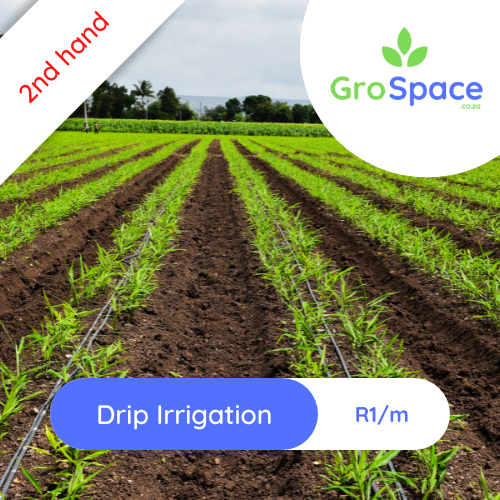
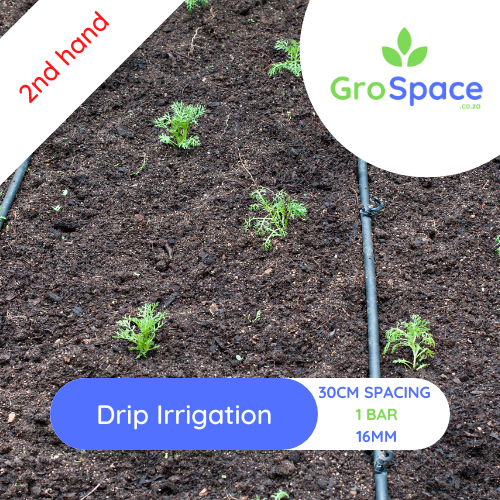
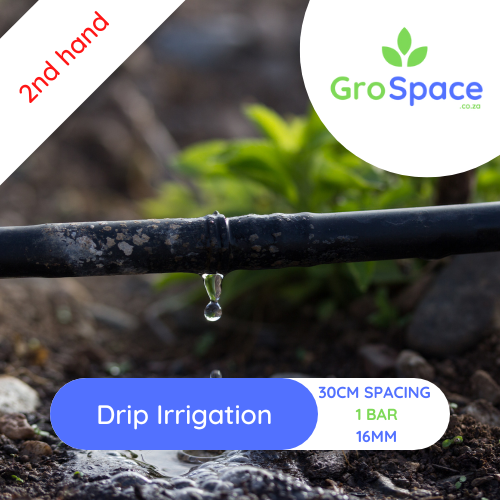
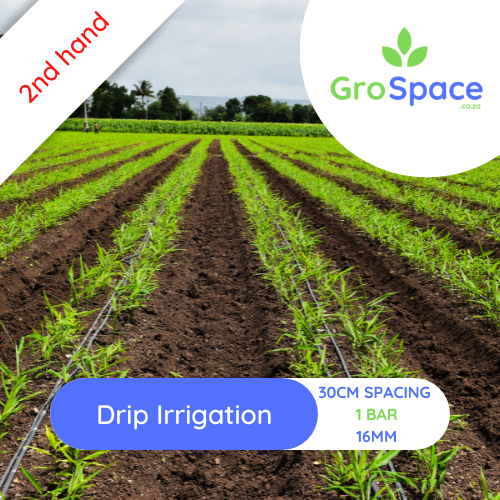
- Good irrigation management: Siwonke irrigates his maize crops when necessary. He uses a drip irrigation system, which is very efficient in terms of water use. This is important in Gauteng, as water is a scarce resource.
Siwonke also uses a technique called conservation tillage, which involves leaving some of the crop residue on the soil after harvest. This helps to retain soil moisture and reduce erosion.
- Good harvesting management: Siwonke harvests his maize crops when the grain is fully ripe. He uses a combine harvester to harvest the grain, and then stores it in a grain silo. This ensures that the grain is of the highest quality and that it can be stored for long periods of time without deteriorating.
Siwonke also uses a technique called on-farm drying, which involves drying the grain on his farm before it is stored. This helps to prevent the grain from becoming moldy or contaminated.
Siwonke’s maize production system has been very successful. He has consistently achieved yields of 16t/ha, which is well above the average maize yield in Gauteng. This has made him a successful farmer and has earned him a reputation as an expert in maize production.
Siwonke’s success is a testament to his practical experience and his commitment to old-fashioned hands-on management. He is an example of how traditional farming methods can still be used to achieve high yields in the modern world.
In addition to the above, Siwonke also emphasizes the importance of teamwork and communication. He says that it is essential to have a team of experienced and dedicated workers who are able to communicate effectively with each other. This is essential for ensuring that the maize production process runs smoothly and efficiently.
Siwonke is a passionate advocate for sustainable farming practices. He believes that it is important to use farming methods that protect the environment
He is now considering switching to no-till farming.
No-till farming is a type of conservation agriculture that involves planting crops without disturbing the soil. This can be done by planting directly into the residue of the previous crop, or by using a no-till planter that creates a narrow slit in the soil for the seed to be planted in.
There are many benefits to no-till farming, including:
- Reduced soil erosion: No-till farming helps to reduce soil erosion by keeping the soil covered with plant residue. This helps to protect the soil from wind and water erosion.
- Improved water conservation: No-till farming helps to conserve water by reducing evaporation and runoff. This is because the plant residue helps to keep the soil moist.
- Increased crop yields: No-till farming can lead to increased crop yields, because the soil is healthier and more fertile. This is because no-till farming helps to build up organic matter in the soil.
Siwonke is considering switching to no-till farming because he believes that it will help him to improve his maize yields and reduce his environmental impact. He is also considering using a cover crop, which is a type of plant that is planted between rows of maize. Cover crops can help to improve soil health, reduce erosion, and suppress weeds.
Siwonke is aware that there are some challenges associated with no-till farming, such as the need for specialized equipment and the increased risk of pests and diseases. However, he believes that the benefits of no-till farming outweigh the challenges.
Siwonke is also considering using a technique called strip-till, which is a combination of no-till and conventional tillage. Strip-till involves tilling a narrow strip of soil in which the maize is planted, while leaving the rest of the field untillage. This can help to reduce soil erosion and improve water conservation, while still allowing for the use of conventional tillage equipment.
Siwonke is still in the process of deciding which type of farming system he will use. He is considering all of his options and weighing the pros and cons of each. He is confident that he will be able to find a system that meets his needs and helps him to achieve his goals.
Silage yield with tilling versus no-till
Silage yield can vary depending on a number of factors, including the type of crop, the variety of crop, the soil type, the climate, and the management practices used. However, in general, silage yield is typically higher with no-till farming than with conventional tillage.
A study conducted by the University of Nebraska-Lincoln found that silage yield from corn grown with no-till was 10% higher than silage yield from corn grown with conventional tillage. The study also found that no-till corn silage had a higher concentration of nutrients, such as protein and fiber, than conventional tillage corn silage.
There are a number of reasons why silage yield is typically higher with no-till farming than with conventional tillage. First, no-till farming helps to conserve soil moisture, which is essential for plant growth. Second, no-till farming helps to build up organic matter in the soil, which provides nutrients for plants. Third, no-till farming helps to suppress weeds, which compete with crops for water and nutrients.
If you are considering growing corn for silage, you may want to consider using no-till farming. No-till farming can help you to achieve higher yields and improve the quality of your silage.
Silage yield per hectare
- Hemp: 50 tons
- Yellow maize: 30 tons
- Sunflower: 6.25 tons
As you can see, hemp has the highest silage yield per hectare, followed by yellow maize and then sunflower. This means that if Siwonke were to grow hemp, he would be able to harvest the most silage per hectare. However, he would also need to consider the market demand for each type of crop before making a decision.
Sign up to the newsletter now, its free until the list fills. Sign up whilst there is still space.
[hubspot portal=”25150806″ id=”94e75fe0-8ea8-4374-abcb-ff93299cc112″ type=”form”]