
Posted on

Harvesting and Beyond: Nurturing Your Multi-Crop Garden Bed

Greetings, fellow gardening enthusiasts! It’s time to gather once again as we embark on the next chapter of our multi-crop garden journey. In our previous posts, we planted a vibrant tapestry of tomatoes, melons, sugar beans, and basil, creating a harmonious blend of flavors and benefits. Now, let’s delve into the art of harvesting, preserving, and nurturing your garden bed for the seasons to come.

Reaping the Fruits of Your Labor:

As the sun-soaked days of summer gently transition into the cool embrace of fall, the moment of truth arrives – harvest time! Step into your garden bed with a sense of anticipation, for the rewards of your labor are about to be revealed.

Tomatoes: The beefsteak tomatoes that once graced your garden with their vibrant presence are now ready to be plucked. Their firm texture and rich color signal their readiness. Gently cradle them in your hand and with a satisfying twist, detach them from the vine. Whether destined for caprese salads, hearty sauces, or a simple tomato-mozzarella sandwich, your homegrown tomatoes are the stars of the season.

Melons: The melons, once small and green, have matured into luscious orbs of sweetness. A gentle tug and a slight twist are all it takes for them to part ways with the vine. As you cut into their aromatic flesh, the promise of juicy indulgence fills the air. These melons are the epitome of summer’s bounty, whether enjoyed fresh, blended into smoothies, or transformed into refreshing sorbets.

Sugar Beans: Along the outer edges of your garden bed, the sugar bean plants stand adorned with pods, each containing a treasure trove of flavor. A simple pinch and pull release the pods, revealing the plump beans within. As you savor their earthy taste and tender texture, consider their potential in a variety of dishes – from hearty stews to vibrant salads.

Basil: The fragrant basil leaves, bursting with essential oils, beckon to be gathered. With a careful snip, you harvest this aromatic herb that has enhanced your culinary creations throughout the season. Basil pesto, infused oils, and fresh garnishes await as you celebrate the herb’s versatility.

Preservation and Beyond:

As the last fruits are harvested and the final leaves plucked, it’s time to consider how to make the most of your garden’s offerings.

Preservation: Extend the joy of your harvest by preserving the flavors of summer. Consider making batches of tomato sauce, freezing melon cubes for future use, or drying basil leaves to create your own aromatic seasoning. Preservation allows you to relish the tastes of your garden even during the colder months.

Composting: As your garden bed begins its transition, remember that every end is a new beginning. Gather spent plants, leaves, and trimmings to create nutrient-rich compost that will nourish your garden in the future. Composting is a sustainable way to give back to the earth and ensure the vitality of your soil.

Cover Crops and Crop Rotation: Embrace the practice of cover cropping to enrich and protect your garden bed during fallow periods. Planting nitrogen-fixing cover crops like legumes can improve soil fertility, suppress weeds, and prevent erosion. Rotate your crops to promote soil health and reduce the risk of pests and diseases.

Planning for Succession: As one season gives way to the next, plan your garden’s succession. Research cool-season crops such as spinach, kale, and radishes that thrive in the changing climate. Succession planting ensures a continuous harvest and maximizes the use of your garden space.

Companion Planting: When planning your next season, consider companion planting for your melons. Interplanting with marigolds, nasturtiums, or borage can help deter pests, improve pollination, and enhance the overall health of your garden bed.

The Joy of Gardening Continues:

As the days grow shorter and the air carries a hint of crispness, your garden bed is a testament to your dedication and passion. The flavors you’ve cultivated, the lessons you’ve learned, and the sense of connection to nature all come together in this vibrant patch of earth.

As you savor the last bites of your homegrown harvest, remember that the joy of gardening is an ongoing journey. Whether you’re preparing the soil, planting seeds, nurturing young plants, or reaping the rewards, each phase holds its own unique magic. So, fellow gardeners, embrace the changing seasons, celebrate your achievements, and look forward to the chapters that await in your ever-evolving garden tale. Until next time, may your garden continue to flourish and inspire!
Posted on

Contract hatchery and rearing program

Dear Hatchery Owner,

We trust this message finds you in good health and high spirits. GroChick, a specialist in supply chain development for poultry businesses, is excited to present you with an exclusive partnership opportunity designed specifically for hatchery owners. We believe that this partnership can significantly benefit your poultry operation and align with your goals in the industry.

About GroChick:

GroChick specializes in the supply chain development of poultry businesses with a mission to give access to a greater community of stakeholders by democratising poultry. Our expertise lies in the production of fertile eggs, ensuring a consistent supply of top-tier genetics.

Supply Chain Options:

Hatchery owners have two options to plug into the supply chain:

  1. Hatch Fertile Eggs from GroChick:
    • GroChick offers high-quality fertile eggs, ensuring a consistent supply of top-tier genetics.
    • These fertile eggs are specially selected to meet the highest industry standards.
  2. Feed Supply for Input Costs:
    • In addition to fertile eggs, GroChick will provide the necessary feed to cover input costs associated with feeding the growing chicks.

Supply Agreement Terms:

  1. Fertile Egg Supply:
    • GroChick will provide high-quality fertile eggs at competitive rates exclusively for hatchery owners like you.
  2. Feed Supply for Input Costs:
    • We will supply the required feed to cover the input costs associated with feeding the growing chicks.
  3. Support and Guidance:
    • We provide ongoing support and guidance to ensure the health and well-being of the chicks during the hatching and early growth phases.

Quality Standards:

  • GroChick maintains rigorous quality control standards for our fertile eggs. They are guaranteed to be of the highest quality, ensuring successful hatching.

Vaccination and Health Protocols:

  • We adhere to a strict vaccination schedule to ensure the long-term health and productivity of the birds.
  • [Include relevant details of the vaccination schedule here].

Next Steps:

If you find our proposal aligns with your goals and requirements, GroChick would be delighted to arrange a meeting or further discussions to formalize our exclusive partnership. The health and success of your poultry operation are paramount to us, and we are dedicated to delivering the highest standards of service and quality.

We look forward to the opportunity of collaborating with you, as a hatchery owner, to enhance your poultry production endeavors. Together, we can contribute to the democratization of poultry production and expand access to a broader community of stakeholders.

Please feel free to contact us at your convenience to discuss this exclusive proposal or request additional information.

Thank you for considering this opportunity, and we look forward to the possibility of working together.

Sincerely,

Posted on

Follow these vaccination schedules for rearing chicks

Follow this vaccination schedule for layer hens (pullets)

Here’s the vaccination schedule presented as a table:

AgeMedication/VaccinationMethod of Administration
At the hatcheryMarek’s disease vaccineOn the neck
Day 1Vitamins, glucoseDrinking water
Day 4Antibiotics and vitaminsDrinking water
Day 7CoccidiostatDrinking water
Day 9Newcastle diseaseDrinking water
Day 121st infectious bronchitis disease vaccineEye drop/Drinking water
Day 14Infectious bursal vaccine (Gumboro)Drinking water
Day 16CoccidiostatDrinking water
Day 17Fowlpox vaccineWing web
Day 26VitaminsDrinking water/feed
Day 282nd Gumboro/ IBDV vaccineDrinking water
Day 30DewormingDrinking water/feed
Week 42nd Newcastle disease (NDV) vaccineDrinking water, I/O
Week 42nd infectious bronchitis vaccineDrinking water
Week 8Avian Encephalomyelitis (AE) vaccineWing web stab
Week 91st Infectious coryza vaccineIntramuscular
Week 103rd Newcastle disease vaccineIntramuscular
Week 12Fowlpox vaccineWing web
Week 122nd infectious coryzaIntramuscular
Week 123rd infectious bronchitis vaccineDrinking water
Week 16Laryngotracheitis vaccineI/O eye drop/spray
Week 17The 3 in one vaccine for egg drop syndrome, IB, and NDIntramuscular

This table presents the vaccination schedule in a clear and organized format.

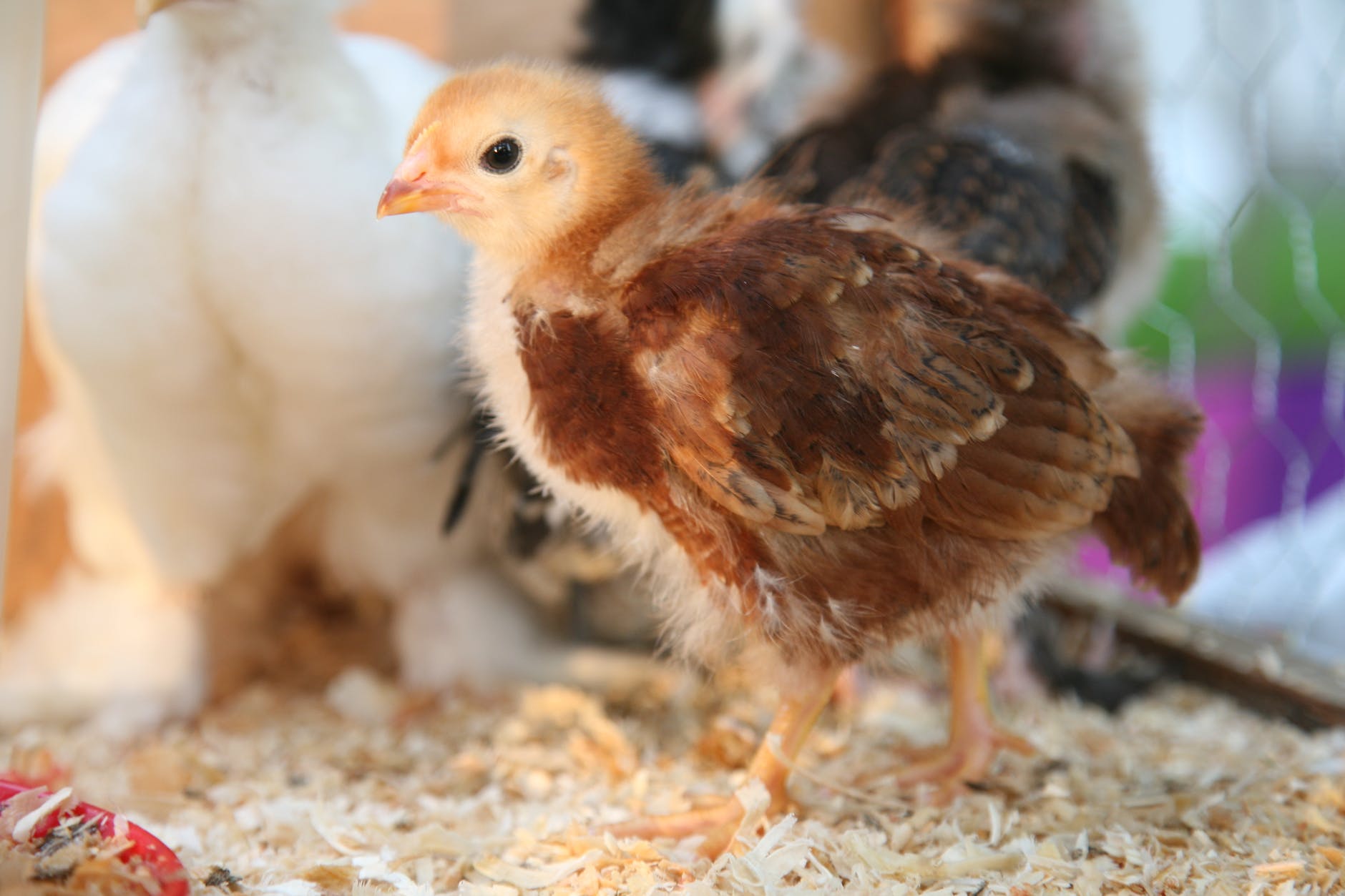
brown chick

Follow this vaccination schedule for broilers

Vaccination schedule for broiler chickens

AgeMedication of vaccinationMethod of administration
At the hatchery Marek’s disease (MD) vaccinesI/M (intramuscular) injected on the back of the neck.
Day 1I/O vaccines+Vitamins+GlucoseDrinking water (DW)
Day 1Infectious bronchitis vaccinesBeak dip.
Day 3Antibiotics+Vitamins.Drinking water
Day 7on Coccidiostat (acts on protozoan parasites in birds)Water consumption
Day 91st infectious bursal disease (IBD) vaccine.Intraocular (I/O) as eye dropDrinking water.
Day 12Newcastle disease (ND) vaccinesDrinking water.
Day 14CoccidiostatDrinking water
Day 162nd IBD vaccineOral, Drinking water
Day 18FowlpoxWing web stab
Day 28DewormerDrinking water
white duckling on grass
Posted on

Harvesting the Fruits of Your Labour: A Follow-Up on Your Multi-Crop Garden Adventure

Greetings, fellow garden enthusiasts! It’s time to gather ’round and share the joys of a successful multi-crop garden bed. In our previous post, we embarked on a journey to cultivate tomatoes, melons, sugar beans, and basil in a single-row garden bed, creating a harmonious symphony of flavors and benefits. Now, as the season unfolds, let’s delve into the art of harvesting and explore the next steps in your gardening adventure.

The Sweet Rewards of Harvesting:

As the sun-kissed days of summer lengthen, the moment you’ve been waiting for arrives – harvest time! Step into your garden bed, and with a pair of sharp pruners or garden shears in hand, embark on a flavorful journey.

Tomatoes:
Gently cradle the ripe beefsteak tomatoes in your palm, their vibrant colors and firm textures indicating their readiness. With a slight twist of the wrist, they release from the vine, promising a burst of savory delight in every bite. These jewels of your garden are perfect for salads, sauces, and the simplest of pleasures – a fresh tomato sandwich.

Melons:
Your melons, once petite and green, have now matured into plump spheres of sweetness. Give them a gentle tug, and if they easily detach from the stem, they’re ready to be enjoyed. Revel in the anticipation as you slice open their aromatic flesh, filling the air with their irresistible fragrance. Whether enjoyed fresh, in fruit salads, or blended into refreshing smoothies, your homegrown melons are a testament to your gardening prowess.

Sugar Beans:
As you traverse the outer lines of your garden bed, you’ll encounter your sugar bean plants laden with pods. A slight squeeze and a gentle pull free the pods from their vines, revealing the hidden treasures within. These beans, bursting with flavor and nutrition, are a versatile addition to soups, stir-fries, and side dishes, elevating your culinary creations to new heights.

Basil:
The fragrant basil leaves, vibrant and aromatic, are ready to grace your kitchen. Pluck them from their stems, savoring the earthy aroma that lingers on your fingers. Whether used to infuse oils, create pesto, or simply adorn your dishes, basil adds a burst of freshness that enlivens every bite.

Planning for the Next Chapter:

As you bask in the satisfaction of your bountiful harvest, it’s time to chart the course for your garden’s next chapter. Just as the seasons change, your garden evolves. Consider these steps as you prepare for the future:

1. Crop Rotation: To maintain soil health and prevent disease, rotate your crops in the next growing season. Move your tomato and melon trellis to a different section of the bed, while sugar beans and basil take their place along the outer lines.

2. Cover Crops: Embrace the power of cover crops during the off-season. Planting legumes like clover or vetch can enrich the soil with nitrogen, preparing it for the forthcoming plantings.

3. Succession Planting: Keep the garden alive with a succession of crops. Once your summer stars have had their time to shine, consider planting cool-season crops like radishes, carrots, or leafy greens to extend your garden’s bounty.

4. Soil Enrichment: Tend to your soil with compost and organic matter, nourishing it for the crops yet to come. Healthy soil is the foundation of a thriving garden.

Sharing the Joy:

Your multi-crop garden bed not only nourishes your body but also feeds your soul. Share the fruits of your labor with friends and family, fostering a sense of connection and community. Swap recipes, exchange gardening tips, and celebrate the flavors of the season together.

Final Thoughts:

As your garden bed transforms with the changing seasons, remember that gardening is a continuous journey of learning, creativity, and connection to nature. Your single-row garden bed has proven its potential, not only in terms of the delicious crops it yields but also in the lessons it imparts.

So, dear gardeners, as you relish the rewards of your multi-crop garden, take a moment to savor the sweet triumphs, the lessons learned, and the connections forged. With every harvest, you’re nurturing not only your garden but also your own sense of fulfillment and well-being. Happy harvesting and may your garden’s story continue to unfold in vibrant, verdant chapters!

Posted on

Maximising Your Single-Row Garden Bed: A Guide to Cultivating Tomatoes, Melons, Sugar Beans, and Basil

Do you have a single-row garden bed and a passion for cultivating an array of delectable crops? Look no further! In this guide, we’ll show you how to optimize your 1-meter-wide, 3-row bed to simultaneously nurture tomatoes, melons, sugar beans, and basil. With a carefully planned layout and the magic of companion planting, you’ll be amazed at the bounty you can yield from this harmonious garden bed arrangement.

The Garden Bed Layout:

Imagine a garden bed where juicy beefsteak tomatoes and succulent melons are the stars of the show, trellised elegantly in the middle of the bed. The outer lines of the bed are adorned with fragrant basil plants and nutrient-rich sugar beans, creating a harmonious blend of flavors and benefits.

Tomatoes and Melons: The Vertical Marvels:

In the heart of your garden bed, construct a sturdy wire trellis using the Florida weave technique. This will provide support and structure for your beefsteak tomatoes and melons, enabling them to reach for the sky and optimizing space utilization.

Companion Planting for Melons:

A key element of successful gardening is companion planting. To enhance the growth and flavor of your melons, consider interplanting them with marigolds. Marigolds deter common pests, such as aphids and nematodes, while their vibrant blooms add a touch of color to your garden bed.

Sugar Beans: Ground Guardians:

Nestled on the outer rows of the bed, sugar beans are the unsung heroes. Their nitrogen-fixing abilities contribute to soil health, benefitting neighboring crops. As they sprawl on the ground, sugar beans provide a natural ground cover, reducing weed growth and conserving soil moisture.

Basil: The Aromatic Protector:

Opposite the tomato plants, the aromatic basil plants play a dual role. Their fragrance helps repel pests that may bother your tomatoes, such as aphids and whiteflies. Plus, they offer a culinary delight, ready to be plucked and used to elevate your dishes.

Succession Planting and Beyond:

As the growing season progresses, your garden bed’s versatility shines through. Once you’ve harvested your bountiful tomatoes and melons, it’s time to plan for the next phase. Follow up with a succession crop, such as fast-growing leafy greens like lettuce or spinach. These cool-season crops will thrive in the enriched soil left behind by your previous plantings.

Caring for Your Multi-Crop Garden:

Maintaining your garden bed is a labor of love. Regularly prune and train your tomato and melon vines along the trellis, ensuring optimal sun exposure and air circulation. Keep an eye out for any signs of pests or disease and address them promptly. Water your crops consistently, aiming for the base of the plants to prevent moisture-related issues.

Harvest and Enjoy:

As the culmination of your efforts, the moment of harvest arrives. Savor the juicy, sun-ripened tomatoes, delight in the sweetness of your melons, and revel in the aromatic essence of basil. Your sugar beans add a nutritious touch to your dishes, enhancing both flavor and texture.

The Garden’s Cycle Continues:

As your growing season comes to an end, take note of the valuable lessons learned from your single-row garden bed experiment. Rotate your crops in the following season to maintain soil health and prevent disease buildup. Consider incorporating cover crops during the off-season to further enrich your soil and enhance its structure.

In the end, your single-row garden bed has proven its potential for diversity and productivity. By strategically combining tomatoes, melons, sugar beans, and basil, you’ve created a symphony of flavors and benefits that showcase the artistry of gardening. So, whether you’re a seasoned gardener or embarking on your first journey, remember that with careful planning, a touch of creativity, and a dash of companionship, your garden bed can flourish beyond your expectations. Happy growing and may your garden thrive!

Posted on

Can bush beans and runner beans hybridise?

Bush beans (Phaseolus vulgaris) and runner beans (Phaseolus coccineus) can potentially hybridize under certain conditions. Both types of beans belong to the same genus, Phaseolus, which means they are closely related and have the ability to cross-pollinate.

Cross-pollination between bush beans and runner beans is more likely to occur if they are grown in close proximity and share flowering periods. Beans are typically self-pollinating, meaning they have both male and female reproductive organs within the same flower. However, they can also be cross-pollinated by insects, including bees, which can carry pollen from one type of bean to another.

The extent of hybridization will depend on factors such as the distance between the plants, the population of pollinators in the area, and the timing of flowering. Hybrids between bush beans and runner beans may exhibit traits of both parent plants and may have unique characteristics not found in either parent.

For most home gardeners, accidental hybridization between bush beans and runner beans is not a common concern, especially if different types of beans are planted at a reasonable distance from each other. If you want to prevent cross-pollination and maintain the true characteristics of each bean type, consider spacing them apart or using physical barriers like row covers.

However, if you are intentionally experimenting with plant breeding and want to create hybrid beans, you can perform controlled hand pollination by transferring pollen from one plant to another. Keep in mind that breeding beans requires some knowledge of plant genetics and controlled breeding techniques.

Posted on

Will sweet peppers or bell peppers cross pollinate with tomatoes and hybridise

Sweet peppers, also known as bell peppers, and tomatoes belong to the same plant family called Solanaceae or the nightshade family. While they can cross-pollinate under certain circumstances, they will not naturally hybridize with each other.

Cross-pollination between sweet peppers and tomatoes is unlikely to occur in most garden settings because they have separate and distinct flower structures, and their pollen is not easily transferred between them by typical pollinators like bees and other insects.

However, if you are intentionally trying to cross-pollinate sweet peppers and tomatoes for experimental or breeding purposes, it can be done through controlled hand-pollination methods. This process involves manually transferring pollen from one plant’s flower to another, effectively creating a hybrid seed.

Keep in mind that hybridizing peppers and tomatoes can be quite challenging and requires a good understanding of plant genetics and controlled breeding techniques. Additionally, the resulting hybrid offspring may not always have the desired traits, making the process time-consuming and unpredictable.

For most home gardeners, accidental cross-pollination between sweet peppers and tomatoes is unlikely to occur, and you can grow these two plants in close proximity without concerns about hybridisation.

Here’s some more information about sweet peppers (bell peppers) and tomatoes, including their characteristics, growing conditions, and how to prevent accidental cross-pollination:

Sweet Peppers (Bell Peppers):

  • Sweet peppers, also known as bell peppers or capsicums, are popular vegetables known for their crisp texture and sweet flavor. They come in various colors, including green, red, yellow, orange, and even purple.
  • Sweet peppers are rich in vitamins A and C and contain antioxidants that contribute to their vibrant colors.
  • They are warm-season plants that thrive in full sunlight and well-draining soil. Sweet peppers are typically grown as annuals in most regions, as they are sensitive to frost and cold temperatures.
  • Depending on the variety, sweet peppers can be grown as compact bushy plants or tall, vining types that may benefit from staking or support as they grow larger.
  • Sweet pepper flowers are self-pollinating, meaning they do not require pollinators like bees for successful fruit set. Each flower contains both male and female reproductive parts, allowing for self-fertilization.

Tomatoes:

  • Tomatoes are one of the most popular and widely cultivated vegetables globally, prized for their versatility and delicious taste.
  • They come in various shapes, sizes, and colors, including red, yellow, orange, pink, green, and even black or purple.
  • Tomatoes are rich in vitamins A and C, antioxidants like lycopene, and other beneficial compounds.
  • Like sweet peppers, tomatoes are warm-season plants that prefer full sunlight and well-draining soil. They are also grown as annuals in most regions.
  • Tomatoes can be either determinate (bushy) or indeterminate (vining) in their growth habit. Indeterminate tomatoes benefit from staking or trellising to support their sprawling vines.
  • Tomato flowers are also self-pollinating, with each flower containing both male and female parts.

Preventing Accidental Cross-Pollination:

While sweet peppers and tomatoes are unlikely to cross-pollinate on their own, there are some steps you can take to further prevent accidental hybridization if you want to save seeds or maintain true-to-type varieties:

  1. Isolate Different Varieties: If you are growing multiple varieties of either sweet peppers or tomatoes, try to keep them separated by a distance of at least 30 feet (about 9 meters). This distance will prevent accidental pollen transfer between different varieties.
  2. Hand Pollination: If you are intentionally breeding or experimenting with hybridization, you can perform controlled hand pollination. Use a small brush or cotton swab to transfer pollen from the male flower to the female flower.
  3. Time Planting: To reduce the chances of flowering overlap, you can time your planting so that the flowering periods of sweet peppers and tomatoes do not coincide.

Remember, accidental hybridization between sweet peppers and tomatoes is not a common concern for most home gardeners, and growing them in close proximity is generally not an issue. Enjoy the process of growing these delicious and nutritious vegetables in your garden!

Will chillies and bell peppers hybridise?

Yes, chillies (hot peppers) and bell peppers (sweet peppers) can hybridize under certain circumstances. Both belong to the same plant family, Solanaceae, and they have the potential to cross-pollinate if they are grown in close proximity and share flowering periods.

Cross-pollination between chillies and bell peppers is more likely to occur when they are planted in the same garden or in neighboring gardens, where pollinators like bees and other insects can move between the flowers of both plants.

The extent of hybridization will depend on several factors, including the distance between the plants, the population of pollinators in the area, and the timing of flowering. However, it’s important to note that hybridization between these two types of peppers is not always guaranteed, and many factors can influence the success of cross-pollination.

For most home gardeners, the chances of accidental hybridization between chillies and bell peppers are relatively low, especially if they are mindful of planting different varieties of peppers at a reasonable distance from one another. Additionally, hand pollination can be used for controlled breeding if intentional hybridization is desired.

If saving seeds is a concern, and you want to ensure true-to-type varieties, consider either planting different types of peppers at a distance or using physical barriers like row covers to prevent cross-pollination. This will help maintain the distinct characteristics of each variety.

Posted on

Get rich farming Sustainably and quickly build fertile soil in your garden

Innovative Fly-Attracting Techniques in the Garden

Incorporating rotting manure into your garden walkways is an innovative and eco-friendly method to attract flies and enhance pollination while improving soil health and water management. By strategically placing rotting manure in your garden pathways, you can create an inviting environment for flies, which will, in turn, contribute to the pollination of your crops.

The Fly-Attracting Advantage of Rotting Manure

Flies are naturally drawn to rotting organic matter, and by strategically placing manure in your garden walkways, you create a hub for these beneficial insects. As the manure breaks down over time, it releases odors and compounds that attract flies, encouraging them to visit your garden regularly.

Soil Health and Water Management Benefits

In addition to attracting flies, incorporating rotting manure into your garden walkways offers numerous benefits to soil health and water management. As you walk on the manure, it gradually breaks down, releasing valuable nutrients into the soil. This process enhances soil fertility and provides a nutrient-rich environment for your plants to thrive.

Moreover, the manure pathways act as natural water collection points during rainfall or irrigation. By directing runoff from your garden beds towards these pathways, you can effectively capture and store water, optimizing its use and reducing wastage.

Strategic Bed Rotation for Optimal Results

To maximize the benefits of your fly-attracting manure pathways, consider shifting your garden beds by 2 feet (or 60 cm) with each planting cycle. This rotation technique helps ensure that your heavy feeders, such as fruiting crops or plants that require more nutrients, are positioned on the manure-enriched pathways during their growth phase.

As the plants draw nutrients from the enriched soil, they will benefit from the decomposing manure and the increased fly activity, which contributes to better pollination and healthier crops.

A Sustainable Approach to Gardening

Embracing this fly-attracting technique in your garden exemplifies a sustainable and regenerative approach to gardening. By harnessing the natural behaviors of flies and utilizing rotting manure, you create a self-sustaining ecosystem that supports plant growth, enhances pollination, and conserves water resources.

Considerations and Best Practices

When implementing rotting manure pathways in your garden, consider the following best practices:

  1. Use Organic Manure: Opt for organic manure from reputable sources to ensure it is free from harmful chemicals and pesticides.
  2. Maintain Adequate Pathway Depth: Ensure that the manure pathways are deep enough to attract flies and allow for decomposition but not so deep that they become a tripping hazard.
  3. Complement with Other Pollinator-Friendly Practices: While flies are beneficial pollinators, remember to continue supporting other pollinators like bees and butterflies by providing a diverse range of flowering plants throughout your garden.
  4. Regular Maintenance: Regularly replenish and turn over the manure to maintain its appeal to flies and ensure even decomposition.

Conclusion

Incorporating rotting manure into your garden pathways to attract flies is an innovative and effective way to promote pollination and improve soil health. As you walk on the manure, it not only attracts flies for pollination but also enriches the soil with essential nutrients and aids in water management. By thoughtfully rotating your garden beds, you optimize the benefits of this approach, ensuring healthy, thriving crops throughout your gardening journey.

This sustainable gardening technique highlights the beauty of working in harmony with nature, creating a vibrant and productive garden that gives back to both you and the environment. Let’s continue to explore and embrace innovative methods that support biodiversity, pollinators, and regenerative practices in our gardens.

Posted on

Get rich farming sugar beans

🌱 Sugar Beans: A Versatile and Nutritious Superfood

Sugar beans, also known as pinto beans, have been a staple in various cultures’ diets for centuries. Originating in Central and South America, these small, oval-shaped beans boast a distinct mottled pattern and a pale pink or beige color. Today, they are enjoyed worldwide for their delicious taste and impressive nutritional profile.

Nutritional Powerhouse

Sugar beans are an excellent source of nutrients, making them a valuable addition to any diet. With low fat content, no cholesterol, and high dietary fiber, they promote digestive health and help maintain stable blood sugar levels. Just one cup of cooked sugar beans provides over half of the daily recommended fiber intake for adults.

Additionally, they are a rich source of plant-based protein, making them ideal for vegetarians and vegans. Packed with essential vitamins and minerals like iron, potassium, magnesium, and folate, sugar beans also offer a host of antioxidants that protect against free radicals and chronic diseases.

Health Benefits

The consumption of sugar beans is associated with numerous health benefits. Their fiber and potassium content supports heart health by reducing cholesterol levels and regulating blood pressure. For individuals with diabetes or at risk of developing the condition, the high fiber content aids in maintaining stable blood sugar levels. The presence of resistant starch in sugar beans improves insulin sensitivity.

Moreover, sugar beans promote digestive health by preventing constipation and supporting a healthy gut microbiome.

Versatile Culinary Uses

Sugar beans are incredibly versatile in the kitchen, making them a popular ingredient in traditional and contemporary dishes worldwide. They have a mild, slightly sweet flavor and a creamy texture, which complements a wide variety of ingredients. From soups and stews to salads and dips, sugar beans enhance the taste and nutrition of various dishes.

Growing Sugar Beans at Home

For those interested in growing their food, sugar beans are an excellent choice due to their low-maintenance and adaptability to various climates and soil types. They require regular watering and support as they grow taller. Once the plants produce pods, the beans can be harvested fresh or left to dry for later use as dried beans.

Distinct Characteristics Compared to Other Legumes

While sugar beans share similarities with other legumes in terms of fiber, protein, and essential nutrients, they stand out with their slightly sweet flavor and creamy texture. Their higher levels of antioxidants and resistant starch contribute to unique health benefits. Sugar beans’ culinary versatility allows them to be used in both sweet and savory dishes, adapting easily to various cuisines and recipes.

Recipes to Explore

Experimenting with sugar bean recipes opens up a world of culinary delights. Try a hearty sugar bean chili for colder months, a vegetable stir-fry for a lighter and healthier option, or a fragrant sugar bean curry to showcase the beans’ versatility.

In conclusion, sugar beans are a versatile and nutritious superfood that can elevate your meals with their unique flavor and health benefits. Whether grown at home or used in your kitchen creations, sugar beans are a valuable addition to a balanced and wholesome diet.

Posted on

Get rich Farming Cowpeas with Cucurbits and Grains

Cowpeas come in different varieties, some of which are climbing and erect, like Dr. Saunders, while others are creeping, such as Bechuana White. The climbing type is particularly well-suited for use as forage or as a cover crop.

These versatile legumes can be intercropped or rotated with other crops and are known for their ability to tolerate drought. Additionally, cowpeas are a valuable source of protein and enrich the soil by leaving nitrogen behind for subsequent crops. It is estimated that the global annual cowpea crop covers approximately 12.5 million hectares, producing a total of 3 million tons of grain for food consumption.

The leading regions for cowpea production in the world are West and Central Africa, contributing to 64% of the estimated 3 million tons of cowpea seed. Nigeria stands out as the leading cowpea producing country, followed by Brazil. In Australia and Asia, cowpeas are mainly cultivated for fodder, cover crop purposes, or to enhance the soil with nitrogen and nitrogen-fixing microbes. South Africa’s cowpea production is concentrated in the North West, Limpopo, KwaZulu-Natal, and Mpumalanga provinces.

Cowpeas offer various culinary uses. They can be cooked or steamed after soaking in water overnight, and their fresh, immature pods may be boiled as a vegetable. The leaves and growth points are commonly used as a vegetable dish, similar to spinach, and can also be dried and used as a protein substitute. Green cowpea seeds can be roasted and ground as a coffee substitute, while the dried seeds are often mixed with onions and spices and fried in oil.

As for animal feed purposes, cowpeas are used in hay production and to make silage, which is preserved animal feed suitable for use during droughts. Making cowpea silage involves mixing cowpea leaves with the green leaves of maize or sorghum, compacting the green matter, covering it with plastic, and weighing it down to make it airtight. The mixture is then left to ferment.

Cowpeas are particularly valuable for animal feeding, with good yields of high-quality dry matter. Under dryland conditions, yields of cowpea forage can range from 2 to 3 tons of dry matter per hectare, while in irrigated areas, yields of up to 8 tons of dry matter per hectare have been recorded. The best feeding value for animals is achieved when cowpeas are intercropped with maize. Local farmers who harvest and store cowpea fodder during the dry season can earn up to 25% of their annual income by selling it as fodder.