
When it comes to drip irrigation, packaging plays a crucial role in ensuring the safe transport and storage of the components that make up the system. Proper packaging not only protects the integrity of the products but also facilitates efficient handling and installation. In this article, we will explore the importance of drip irrigation packaging and the key considerations involved.
- Product Protection:
The primary purpose of drip irrigation packaging is to safeguard the components during transportation and storage. Drip lines, emitters, connectors, and other accessories are often delicate and susceptible to damage. Packaging materials such as sturdy boxes, bags, or tubes with appropriate cushioning and padding ensure that the components reach their destination in optimal condition, minimizing the risk of breakage or deformation. - Easy Identification:
Efficient packaging includes clear labeling and product identification. Each packaged item should be clearly marked with essential information, such as the product name, specifications, and quantity. This enables easy identification and avoids confusion during inventory management, distribution, and installation. - Organized Arrangement:
Packaging should promote organized arrangement of the components. Grouping items together based on their purpose or size simplifies the process of system assembly and installation. For example, drip lines, emitters, and connectors can be organized in separate compartments or labeled sections within the packaging, allowing users to access the required items easily. - Instructional Materials:
Packaging can also include instructional materials such as user manuals or installation guides. Clear and concise instructions help users understand the assembly process, system layout, and maintenance procedures. Including diagrams or illustrations can further assist users in comprehending the steps involved, ensuring proper installation and system functionality. - Environmental Considerations:
Sustainable packaging practices are increasingly important in the modern era. Manufacturers and distributors of drip irrigation systems should strive to use eco-friendly packaging materials that minimize waste and reduce environmental impact. This can include utilizing recyclable or biodegradable materials and optimizing packaging sizes to minimize material usage. - Quantity Options:
Drip irrigation packaging should cater to different quantity options to accommodate the diverse needs of farmers and gardeners. Packaging options can range from smaller quantities suitable for residential gardens to larger bulk packaging for commercial agricultural applications. Providing flexible quantity options enables users to choose the packaging size that best matches their project requirements, minimizing waste and ensuring cost-effectiveness. - Compatibility with Storage and Distribution:
Efficient packaging should be designed with storage and distribution in mind. Stackability, ease of handling, and compatibility with common storage and transportation methods are important considerations. Packaging that can be efficiently stored on pallets or shelves and easily loaded onto trucks or containers streamlines the logistical process, reducing time and effort during distribution. - Quality Assurance:
Packaging serves as a visual representation of the product’s quality. Well-designed, professional packaging reflects the attention to detail and care taken in manufacturing the drip irrigation components. By using high-quality packaging materials and ensuring a consistent packaging standard, manufacturers can instill confidence in customers regarding the overall quality of the products. - Marketing and Branding:
Packaging also offers an opportunity for effective marketing and branding. Including the company logo, product branding, and contact information on the packaging helps promote brand recognition and facilitates communication between customers and the manufacturer or distributor. Well-designed packaging can leave a lasting impression and create a positive association with the product and the company.
In conclusion, drip irrigation packaging plays a vital role in protecting the components, facilitating efficient handling and installation, and promoting brand identity. Proper packaging ensures the integrity of the products and provides users with clear instructions and organized arrangements for system assembly. By considering factors such as product protection, easy identification, environmental considerations, and compatibility with storage and distribution, manufacturers can enhance customer satisfaction and contribute to a seamless user experience. Effective packaging ultimately reflects the commitment to quality and professionalism.
-

Delivery
R250.00 -
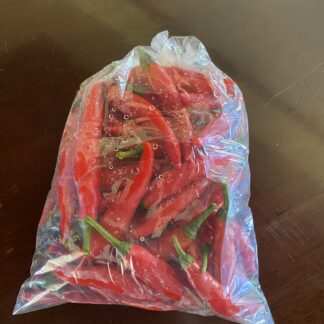
Diablo Grande Chilli
R40.00 -

Duckweed / Wolffia Microscopica / Watermeal 50Grams
R500.00 -

Eggs
R24.00 – R138.50 -
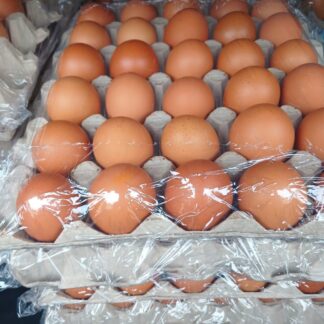
Eggs – fresh Table eggs
R90.00 -
Eric’s GroSapce – box of egg trays
R0.00 -
Eric’s GroSpace – Egg shells and C grade chicks
R0.00 -
Eric’s GroSpace – Flat Egg box
R0.00 -
Eric’s GroSpace – Unhatched egg box
R0.00
Here are some interesting articles to read about drip irrigation
- The Economic Benefits of Drip Irrigation in Agriculture
- The Role of Drip Irrigation in Sustainable Agriculture
- Understanding the Environmental Impact of Drip Irrigation
- 10 Interesting Facts About Drip Irrigation
- Info about Farming with Drip Irrigation
- How to Use Drip Irrigation?
- Is Drip Irrigation Exported?
- Drip Irrigation Packaging
- 5 Benefits for Gardening and Farming with Drip Irrigation
- How to Install Drip Irrigation?
- Is Drip Irrigation Good for Vegetable Production?
- Farming Benefits of Drip Irrigation
- What Happens When You Farm with Drip Irrigation?