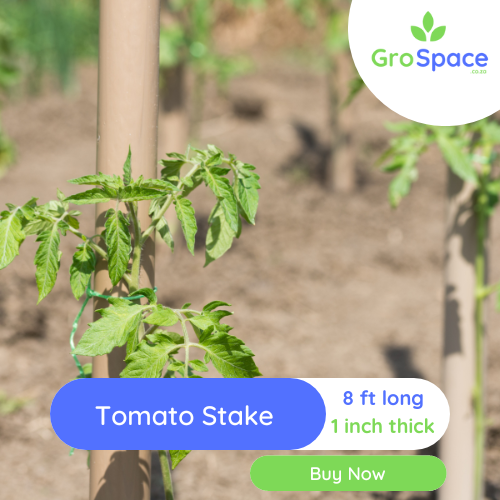
Growing tomatoes is a rewarding experience, but it can also be challenging. One of the most important things you can do to ensure a successful tomato harvest is to stake your plants. Staking tomatoes helps to keep them upright and supported, which can prevent them from rotting or developing diseases. It also makes them less accessible to garden pests and insects. Additionally, staking makes it easier to access all parts of the plant for trimming and harvesting.
When it comes to growing tomatoes, staking is a common practice used to support the plants and promote healthy growth. Staking involves securing the tomato plants to a vertical structure, preventing them from sprawling on the ground and improving air circulation around the foliage. There are several types of stakes commonly used for tomatoes, each with its advantages and considerations. Here are some popular options:
- Wooden Stakes: Wooden stakes are the most traditional and widely used supports for tomato plants. They are typically made of bamboo, cedar, or other durable wood. Wooden stakes are sturdy and provide reliable support for tomato plants. They can be easily driven into the ground near the plants, and the vines can be tied to the stakes using twine or soft strips of cloth. One consideration with wooden stakes is that they may rot over time due to exposure to moisture and soil.
- Metal Stakes: Metal stakes, such as steel or galvanized iron, are durable and long-lasting options for supporting tomato plants. They are more resistant to rot and can withstand harsh weather conditions. Metal stakes are available in various sizes and thicknesses, allowing you to choose the appropriate strength for your tomato plants. Like wooden stakes, the vines can be tied to the metal stakes using twine or clips.
- Tomato Cages: Tomato cages are structured supports that resemble cylindrical or conical cages. They are often made of galvanized steel or heavy-duty wire mesh. Tomato cages offer 360-degree support for the plants, allowing them to grow vertically while preventing them from falling or bending under the weight of the fruit. As the plants grow, the vines naturally weave through the cage openings. Tomato cages are easy to set up and can be reused for multiple growing seasons.
- Trellises: A trellis is a framework of vertical and horizontal supports that creates a lattice-like structure. It provides a sturdy system for training tomato vines to grow vertically. Trellices are typically made of wood, metal, or plastic. The tomato plants are tied or clipped to the trellis as they grow, allowing them to climb and spread out while receiving support. Trellices are ideal for indeterminate tomato varieties, which can grow quite tall and benefit from the vertical growth space.
- String or Florida Weave: The string or Florida weave method involves setting up a series of stakes at regular intervals along the row of tomato plants. A strong twine is then woven between the stakes, creating a horizontal support system. As the tomato plants grow, their vines are gently woven through the twine, providing support. This method is particularly useful for commercial tomato farming or large-scale cultivation, as it allows for efficient maintenance and harvesting.
The choice of stake depends on various factors, such as the tomato variety, plant size, growing conditions, personal preference, and available resources. Regardless of the stake type, it’s important to ensure the plants are adequately supported, allowing for proper growth, air circulation, and easy access for maintenance and harvesting.
How to Stake Tomatoes
Staking tomatoes is a great way to keep them healthy and productive. It helps to support the plants, prevent them from rotting or developing diseases, and make them less accessible to pests and insects.
There are many different ways to stake tomatoes. You can use wooden stakes, plastic stakes, or bamboo stakes. The type of stake you choose will depend on your personal preference and the size of your tomato plants.
Here are the basic steps on how to stake tomatoes:
- Choose a sturdy stake that is at least 6 feet tall.
- Push the stake into the ground at least a foot deep.
- Tie the tomato plant to the stake using a bit of twine, string, or old pantyhose.
- Tie the plant loosely to allow for growth.
- Check the ties regularly and adjust them as needed.
Here are some additional tips for staking tomatoes:
- Remove any dead or diseased leaves from the plant.
- Fertilize the plant regularly.
- Water the plant deeply and regularly.
- Harvest the tomatoes when they are ripe.
With a little care and attention, you can easily stake your tomatoes and enjoy a bountiful harvest.
Benefits of Staking Tomatoes
Staking tomatoes offers several benefits that contribute to healthier plants, improved fruit quality, and easier maintenance. Here are some key advantages of staking tomatoes:
- Support for Plant Growth: Staking provides structural support to tomato plants, especially indeterminate varieties that can grow tall and produce abundant foliage. By staking the plants, you prevent them from sprawling on the ground, reducing the risk of disease, pests, and rot. Vertical growth allows better access to sunlight and air circulation, promoting overall plant health and vigor.
- Enhanced Air Circulation: Staked tomatoes have better air circulation around their foliage, which helps in preventing the development of fungal diseases, such as blight or mildew. Good air movement reduces humidity levels, allows leaves to dry faster after rain or watering, and minimizes the chances of diseases spreading through contact.
- Disease Prevention: By keeping the tomato plants off the ground, staking can help reduce the risk of soil-borne diseases. Fungal pathogens and bacteria present in the soil are less likely to splash onto the leaves and infect the plants. Staked plants also experience fewer issues with soil-borne pests like slugs or rodents that may damage the fruit.
- Improved Fruit Quality: Staking encourages better fruit development and quality. With proper support, the weight of the fruit is evenly distributed, reducing the likelihood of fruit rot or deformation. Staked tomatoes tend to have fewer blemishes, as they are less prone to contact with soil, stones, or other debris that may cause damage.
- Easy Maintenance and Harvesting: Staked tomato plants are more accessible, making routine maintenance tasks, such as pruning, tying, and removing suckers, more convenient. It becomes easier to identify and address any issues like pest infestations or diseased foliage. Harvesting becomes simpler too, as the fruit is elevated and visible, allowing for easier picking without bending down or searching through foliage.
- Space Optimization: Staking tomatoes is particularly beneficial in small gardens or limited growing spaces. By training the plants vertically, you optimize space utilization, allowing for increased plant density and maximizing the number of tomato plants you can grow within a given area.
- Aesthetic Appeal: Staked tomatoes often have a neater and organized appearance compared to sprawling plants. The vertical growth and well-supported vines contribute to an aesthetically pleasing garden or growing area.
It’s worth noting that determinate tomato varieties, which tend to be bushier and have a predetermined height, may not require staking. However, staking can still be beneficial in providing some support and improving airflow around the plants.
Overall, staking tomatoes promotes healthier growth, disease prevention, improved fruit quality, and ease of maintenance, ultimately leading to a more successful tomato harvest.
When to Stake Tomatoes
The best time to stake tomatoes is when they are young and still relatively small. This will help to prevent the plant from becoming too top-heavy and will make it easier to stake.
Additional Tips
- Use a sturdy stake that is at least 6 feet tall.
- Tie the tomato plant loosely to the stake to allow for growth.
- Check the ties regularly and adjust them as needed.
- Remove any dead or diseased leaves from the plant.
- Fertilize the plant regularly.
- Water the plant deeply and regularly.
- Harvest the tomatoes when they are ripe.
With a little care and attention, you can easily stake your tomatoes and enjoy a bountiful harvest.
-
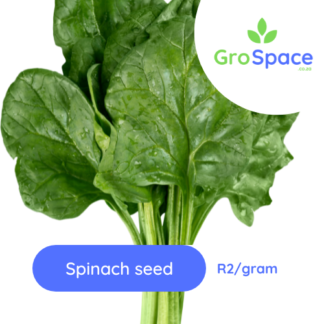
Spinach seeds x 50000 (1kg)
R914.00 -

Square nipple pipe 5m
R0.00 -
Square to Round Connector
R0.00 -
Striped Sunflower 150g
R38.04 -

Sugar beans per ton
R34,000.00 – R36,000.00 -
Swiss chard Microgreens 150g
R148.29 -
Protected: Table Eggs
R1,080.00 -
Table Eggs x360
R1,200.00 -
Tatsoi Mustard 150g
R53.39