Category: General
Here you will find general posts.
GroSpace – Contract farming
If you want to farm on contract then you will be required to follow a strict set of rules including and not limited to using GroSpace seed, GroMass® growing medium and sustainably sourced packaging. In the case of livestock farming the feed and packaging is supplied at a subsidised rate
This is to ensure quality and continuity throughout the supply chain. Sustainable farming practices are fundamental in farming the GroSpace way.
Join GroSpace and volunteer to learn how to farm sustainably without pesticides, fertilizers and herbicides.
Offtake Contracts for Farmers
Option 1: A Promising Beginning
Are you ready to embark on a journey to transform your farming venture into a consistent and thriving business? Our Offtake Contracts are designed to provide you with an opportunity to test the waters and gauge the market. The first option is tailored for those just starting out, looking for a chance to prove their potential.
How to raise capital for farming?
GroSpace sends out a consultant to assess your business through an audit process. The consultant works with a team of auditors to perform due diligence of the farming opportunity and prepares a report which in turn leads to the preparation of a business plan. This business plan is submitted and motivated to relevant funding houses and this results in funding for your project.
Most funding houses are looking for an Offtake contract. GroSpace’s marketing affiliates develop market demand for products that your farmer is looking to produce so that the funding house is funding a project with a guaranteed offset point. GroSpace’s market platform secures orders which form the foundation for an Offtake contract which is issued to the funding house in support of the funding application.
Which farming activity do you have in mind?
What to Expect from Option 1:
- Market Trial: We’ll begin with a trial period to evaluate your products in the market. This is a great opportunity for you to demonstrate the quality and consistency of your produce.
- 2024 Potential: If your performance in the trial period shows promise and consistency, we’re excited to discuss the possibility of issuing a contract for the year 2024. This can provide you with long-term stability and assurance.
- Communication: We encourage you to communicate this transition to your existing buyers and partners. Let them know about the advancements in your business and your commitment to excellence.
Option 2: For Proven Success
Option 2 is specifically designed for experienced farmers who have demonstrated their commitment to excellence through a proven track record. To qualify for this option, you should have successfully completed at least three production cycles and adhered to strict production parameters.
What Option 2 Offers:
- Long-Term Partnership: With this option, you can enter into a long-term partnership with us. We believe in your capabilities and want to offer stability and support for your continued success.
- Enhanced Commitment: We recognize your commitment to maintaining high production standards and are ready to reciprocate that commitment in our partnership.
- Consistency: Your consistent performance has earned you this option, and we expect to see continued excellence in your production.
Your Path to Success
We highly value your interest in our Offtake Contracts. We believe that these options will enable you to chart your path to farming success. Option 1 provides a starting point for newcomers, while Option 2 acknowledges the hard work and commitment of seasoned farmers. No matter where you are in your farming journey, these contracts are designed to provide you with the stability and resources you need to thrive in the farming industry. Get started today and begin your journey toward success.
What do I need to know to farm for GroSpace in a village?
You will need access to land. This land could be owned by GroSpace and leased to you for the duration of the farming contract or it could be your own land. The rental fee is nominal. The rental fee is equivalent to 1% of the property value.
You can apply for funding using land or livestock as collateral. The idea is not to slow down the progress but to create opportunity.
With this said though, a commitment from both sides is necessary.
How can I fund my startup farm?
GroSpace and financial institutions can invest in your farming activity based on the following primary documents:
- Offtake contract from GroSpace – this is the main reason for the cost, we find customers in the market and this requires funding.
- Professional Business Plan
- Proof of identity
- Proof of address
- Proof of Ownership in the case of land acquisition
Step 1:
The farmer orders a consultation:
Here is the link that you need to place an order for the consulting .
Step 2:
The farmer forwards a proof of payment using their order number as reference:
This video shows an example:
We need step 2 to register on the system so that your payment doesn’t get mixed with another farmer and so that if you need a refund for whatever reason, it can be processed using the order reference number.
Step 3:
A consultant will visit your farm and spend 1 day up to a week performing a SWOT analysis.
The GroSpace consultant convenes with a team and prepares a business plan of action and advises the board of directors on a direction for your farm.
You can use this source to assist you:
Step 4:
Fund raising process:
Private equity
Government funding
Collateral required
Title deed required along with a lease agreement from the land owner for 99 years subject to specific clauses that prevent current land inhabitants from being dispossessed of their access to the land and prevents future generations from claiming the land after land developments. This protects GroSpace’s investment and the owner of the land.
Step 5:
Break ground 👌
What is an offtake contract?
Where GroSpace is concerned, an offtake contract is a digital binding contract to buy a certain amount of a farm’s output, this value is usually 100% of the farm’s output. GroSpace treats partner farms as franchises which means that these farms are required to follow a stringent set of rules to maintain the corporate image and quality control.
What does this mean for the farmer?
A GroSpace should be kept productive and pleasant to the eye. Transparent records should be maintained and a strict level of hygiene should be maintained. Farmers can focus on productivity and quality control knowing that their output is guaranteed to be sold. Farmers have a strict direction to follow which is documented in the professional business plan.
How much does it cost to get started with an offtake contract?
A consulting fee covers a set of professional services that you can use to establish your business and even raise capital from government/institutional funding. This starts with a site inspection and a friendly Q/A session with one of our official GroSpace business development consultants. If you have your own business plan that is not relevant to this process. GroSpace consultants need to understand your business and spend time in the market developing interest for your farming activity. This costs time and money. Some offtake contracts take upto 12 months to prepare due to the scope and scale of the offtake contract
GroSpace Contract Growing: Your Path to Excellence
At GroSpace, we value and recognize the dedication and commitment of our farmers. We understand that a track record of consistent and successful farming is an achievement worthy of celebration. That’s why we’ve created an exclusive opportunity for farmers with a proven history on our platform to take their journey to the next level. Contract growing awaits those who have demonstrated their expertise and reliability in the field.
What is a Track Record at GroSpace?
A track record is a testament to your farming proficiency and consistency. To qualify for contract growing opportunities at GroSpace, you need to fulfill specific criteria based on your area of specialization.
For Poultry Farmers
- Three Cycles: For poultry farmers, a track record encompasses a minimum of three cycles. Each cycle, in the case of broilers, consists of approximately 35 days of growth.
For Grain Farmers
- Cyclical Seasons: For grain farmers, a cycle is defined by a complete season of farming. This could involve planting and harvesting crops. For example, cultivating yellow maize, from seed to harvest, takes roughly 120 days.
- Seasonal Variation: Successful grain farmers might alternate between summer and winter crops, cultivating over an 18-month period. This variety and consistency are essential to becoming a contract farmer for grain.
Unlocking Contract Growing Opportunities
At GroSpace, we appreciate your commitment to sustainable and profitable farming. Your track record showcases your dedication and proficiency. It’s an acknowledgment of your contribution to our vibrant farming community.
How Does Contract Growing Work?
Contract growing signifies a deeper level of partnership with GroSpace. As a contract farmer, you’ll receive unique opportunities and benefits, such as:
- Dedicated Support: Access to personalized support and guidance from GroSpace experts.
- Specialized Contracts: Engage in specialized contracts based on your area of farming, whether it’s poultry or grain.
- Growth and Profitability: A platform for expanding your operations, improving your earnings, and fostering sustainable growth.
The Invitation to Excellence
Receiving an invitation for contract growing from GroSpace is a recognition of your exceptional achievements as a farmer. It’s an opportunity to embark on a journey that promises both personal and professional growth. As a contract farmer, you’ll be an integral part of our mission to transform the farming landscape through modern, sustainable, and innovative practices.
Your dedication has set you on a path toward new and exciting possibilities. We believe in your potential and are excited to support you as you continue your journey with GroSpace.
Please note that the specific criteria and details regarding contract growing opportunities may vary. If you have received an invitation or are aiming to achieve this milestone, our team will provide you with personalized guidance and information tailored to your unique circumstances.
Your Journey to Becoming a GroSpace Contract Farmer
Embarking on the path to becoming a GroSpace contract farmer is an exciting and rewarding adventure. It all starts with a few fundamental steps, and your dedication to understanding the GroSpace platform and your commitment to delivering high-quality products are the keys to success.
1. Register for a Free Vendor Account on GroSpace
Your journey begins with the first step: creating your vendor account on GroSpace. It’s easy and, most importantly, free. To get started:
- Visit GroSpace: Navigate to the GroSpace website and click on the “Vendor Registration” or similar link to begin the process.
- Read and Learn: Take some time to explore the platform and familiarize yourself with how GroSpace operates. Understanding the platform’s inner workings is essential.
2. Set Up Your Account
To make your vendor account ready for action, follow these steps:
- Profile Pictures: Upload high-quality photos and images that represent your products and your brand. Visuals are vital for attracting potential customers.
3. Show Your Worth: Sell and Build Your Track Record
- Sales: As a new vendor on the GroSpace platform, your primary mission is to start selling. Whether it’s fresh produce, products, or services, actively promote what you have to offer.
- Upgrade Potential: Your ability to upgrade your account to advanced vendor packages hinges on your sales performance. Before you can upgrade, you need to demonstrate that your business is viable on the platform.
4. Price Strategically
- Competitive Pricing: While selling your products on GroSpace, it’s important to find a balance between profitability and market competitiveness. Keep in mind that GroSpace takes a 20% commission on all sales, so adjust your pricing accordingly.
5. Use Paid Advertising
- Online Advertising: To boost your presence and attract more potential customers, consider using online advertising tools like Google Ads, Facebook Ads, and Instagram Ads. These platforms can help you promote your GroShop and reach a broader audience.
6. Dedicate Time and Effort
- Consistency: For new vendors, dedicating at least an hour every day to your GroSpace account is a valuable practice. This consistency helps you engage with customers, promote your products, and enhance your profile.
- Regular Updates: Keep your product descriptions fresh by updating them at least once a week. Detailed and enticing descriptions can significantly impact your sales.
7. Prove Your Worth
As you gain traction and make sales on the platform, you’ll prove the worth of your business to GroSpace. The quality of your products, your dedication to customer service, and your overall performance will contribute to your eligibility for an upgrade to a more advanced vendor package.
Remember, GroSpace is more than just a platform; it’s a supportive community that encourages your growth as a farmer or vendor. Your journey to becoming a contract farmer begins with taking these initial steps, embracing consistency, and delivering value to your customers. The potential is boundless, and the opportunities are yours to seize. Welcome to the world of GroSpace, where sustainable and profitable farming meets innovation and success.
Contracts for growing
Layer contract for offtake
You will get a contract for offtake on your eggs if you choose to do egg layers. GroSpace requires that you pay for a professional business plan which includes a site visit and an offtake contract. GroSpace is offering offtake contracts that are as small as 1250 hens up to 50 000+ laying hens. Use your offtake contract to apply for funding and get started in your farming journey.
Broiler contract for offtake
Broiler contracts are open for weekly batches per farmer.
Startup costs:
To summarise for a chicken grower farm you will require around R350 000-R500 000
🌲 Contract Farming Opportunity: Wood Chips and Firewood Production 🌲
We’re thrilled to announce an exciting opportunity for individuals and businesses interested in contract farming for the production of wood chips and firewood. This initiative presents a lucrative chance to contribute to the sustainable production of valuable wood products. Here are the key details:
Process Guidelines:
- Moisture Levels: Ensure that the moisture levels in your wood products do not exceed 15%. This is crucial for maintaining the quality and longevity of the final products.
- Structured Process: Applicants are expected to follow a well-structured production process, adhering to industry standards and best practices. This ensures the delivery of high-quality wood products.
Contract Specifications:
- Product Options: Contracts are available for the production of wood products in various forms, including logs, shavings, wood chips, or pre-packed bags of firewood.
- Minimum Collection: Each contract allows for a minimum collection of 34 tons on-site. This flexibility allows farmers to choose the most suitable form of wood product for their production capabilities.
- Product Specificity: Contracts will be defined by a specific wood product. This specialization ensures that each farmer can focus on producing the type of wood product that aligns with their expertise and resources.
Why Choose Contract Farming with Us?
- Lucrative Opportunity: Contract farming in the wood industry provides a sustainable and profitable venture for individuals and businesses alike.
- Support and Guidance: Our team is committed to providing support and guidance throughout the farming process. We believe in fostering strong partnerships with our contract farmers.
- Contribution to Sustainability: By participating in this program, you contribute to the sustainable production of wood products, playing a vital role in the conservation of our environment.
How to Apply:
- Fill out the application form with accurate details.
- Submit the contract farming registration fee.
- Await confirmation and further instructions from our team.
Don’t miss out on this exciting opportunity to be part of the sustainable wood production industry. Apply now and embark on a journey towards a rewarding and environmentally conscious venture.
🌳 Let’s grow together, sustainably! 🌳
Forestry Registration Form
GroDriver Collection and Delivery
As soon as the driver collects they start the delivery process. Once the GroDriver makes delivery they take the signature of the receiver along with a photo of the identity of the receiver and the trip is completed. This completes the order and automatically generates a payout request for you to get paid via eft. Make sure to eter your banking details in your store manager.
Cash payment and/or collection
In the case of a collection or a cash transaction, your account will be required to be loaded with funds that will be deducted after the transaction is marked as complete by you as the vendor from your store manager.
Collection by buyer after EFT into escrow
In the case of a collection by the buyer who has paid via eft to book the stock, you the vendor will need to follow the same procedure as for a cash payment. You head over to your store manager and elect the order ID and mark it as complete.
Access to investment/funding
You will need a professional business plan from one of our official assessors which will be prepared after a site visit along with proof of identity and proof of address. If you are interested in selling your land to GroSpace to raise capital you will need to show proof of ownership(title deed). A farmer can sell their land to GroSpace and get access to investment capital. Farmers can later purchase their land back from GroSpace at fair value taking into account the improvements that GroSpace has made and adjusting the value accordingly. Farmers that own their land and have a title deed to prove ownership or a lease agreement can apply for funding.
Hatchery offtake contract
Join the GroSpace hatchery network today.
Buyback program
Here are the prices
Broiler Ferile eggs
Hatcheries pay R4.50 for broiler eggs. GroChick will buy back day-old chicks at R10
with an expected throughput (hatch rate) >70%
Free Range Fertile Eggs
R5 for free range eggs buyback day-old chicks at R7.5
75%-95% throughput
Grain contract for offtake
2 Tons harvest per hectare using the three sisters’ dryland sustainable farming method.
- White Maize
- Yellow Maize
- Wheat
- Sunflower
Vegetable contract for offtake
- Kiwano – 28 000 seeds available
- Pumpkin
- Onion
- Potato
- Butternut
- Gem squash
- Runner bean
- Soya Bean
- Tomato
- Cabbage
GroSpace is creating opportunities for the youth to learn from their elders. Young farmers can shadow experienced farmers to learn the tricks for success when farming the GroSpace way. GroSpace believes that we should all share the knowledge of our forefathers. You can go far with the youth, and use your land to raise capital through GroSpace. First, though we will send out a professional consultant to advise you and prepare a professional business plan to bring back to the investors at GroSpace to assess.
Contracts for Kenya:
You are encouraged to follow GroSpace – the online farmers market, to apply for the Kenyan offtake contracts. You can certainly supply the contract sooner if you are financially capable to inject the capital. However, should you require financial assistance you can book a site visit with one of our professional farming consultants.
During the visit, our consultant will advise and prepare a professional business plan which can be used for funding applications.
Get started as a contract farmer
- Get registered on GroSpace as a vendor
- Request for an official GroSpace farming consultant to prepare a professional GroSpace business plan including a farm visit
- Show proof of intent by paying for the required inputs or applying for funding
- Add your forecasted harvest as a product on your GroShop(this creates a future contract that GroSpace traders will purchase)
- Plant the seeds that you purchase from GroSpace(this maintains quality and continuity)
- Catalogue the progress of your farming on your GroShop with photos of your crops or livestock. These photos must be taken on a weekly basis to illustrate the overall progress of your farming activities. (Farmers will receive more access to capital for consistency)
- If this is not complied with, your GroSpace partner will inquire about the situation and assist where possible. (Mobile data is costly and many farmers don’t have access to the internet which is why GroSpace farmers get access to wifi at their GroSpaces).
The contract is terminated when a farmer declines communication or the product upload is more than 14 days behind schedule.
Request a phone call with one of our friendly sales agents
Next, you can book a time slot using the button below
Book a video meeting using this link
GroSpace buy back Calculator
The Potch Koekoek chicken
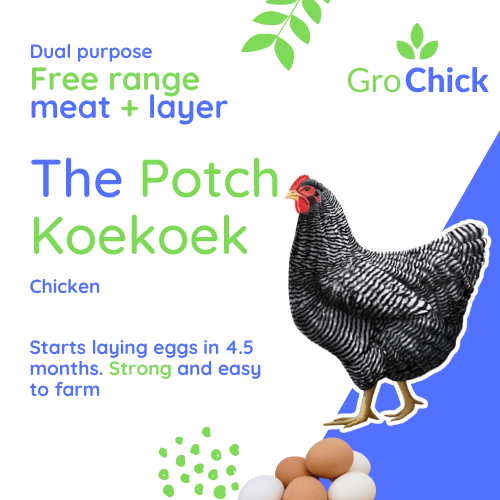
The Potch Koekoek chicken is a South African must-have chicken for any sustainable farming operation or backyard.
The Potchefstroom Koekoek remains the South African favourite for over 70+ years.
The Potchefstroom Koekoek is a local hybrid chicken breed. The Potchefstroom Koekook was bred in the early 1950s at the Potchefstroom Agricultural College in South Africa. The Koekoek chicken is a genetic hybrid cross dual purpose bird. The Black Australorp and White Leghorn were bred to make this wonderful breed along with some Barred Plymouth Rock from the USA. The potch koekoek was bred by Chris Marais. The name Koekoek refers to the barred colour pattern of the birds.
The koekoek breed was intended as a dual-purpose, free-ranging chicken with early laying capabilities as well as a large physical structure for meat production. The koekoek starts laying within 130 days – 18.6 weeks(koekoek sexual maturity). This is one of the fastest sexually mature chickens. Pure Koekoeks have a black-and-white barred appearance. Potchefstroom Koekoeks maintain good egg production even with poor quality or insufficient feeding. Potch koekooks can be bred with White Leghorn chickens to improve egg production and with Black Australorp to improve the stature of their offspring.
The breed is popular amongst South African farmers and farmers in Southern Africa. The potch koekoek is renowned for consistent egg production, meat production, as well as its ability to hatch its own offspring. The koekoek is a great brooder. Put away the incubator and purchase some Koekoek chickens.
If you are living off-grid or are considering going off the grid then you definitely want to farm with the potch koekoek.
The simple facts and benefits:
- The potch koekoek chickens hatch their own eggs
- The potch koekoek chicken reaches sexual maturity and starts to lay eggs after 130 days – 18.57 weeks – 4.5 months
- The potch koekoek is a free ranging chicken and they are great foragers – they can feed themselves if you set them free on open pasture or into a forest
- The potch koekoek is a great meat bird – males weight 3kg on average and females weigh 2kg on average
- The potch koekoek is a great egg layer +-200 eggs per year or 2 eggs every 3 days
Potchefstroom Koekoek characteristics
- Free-ranging, dual-purpose breed adaptable to smallholder or homestead production
- Lays brown shelled eggs (+-200 eggs/bird/year) have an average weight of 55.7g
- Has sex-specific feather colour and pattern. males are lighter in colour and their combs grow swiftly
- Reaches early sexual maturity (130 days)
- Reaches an average mass of 3-4kg for males and 2.1kg for females.
- Hens get broody well, are good sitters and the eggs have a hatchability rate of 78%.
Protected: Melochicks to join the GroSpace partner Network
Farm training the GroSpace way
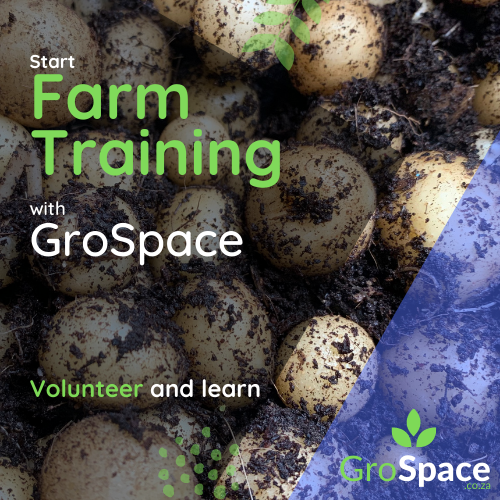
Welcome to farm training with GroSpace
GroSpace – Sustainable farm training (6) 
GroSpace – Market Garden 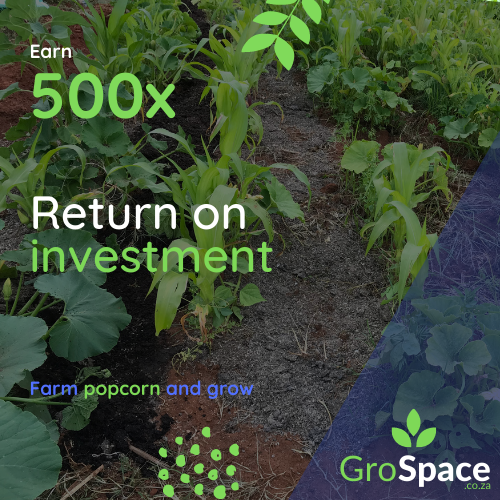
GroSpace – Farm popcorn 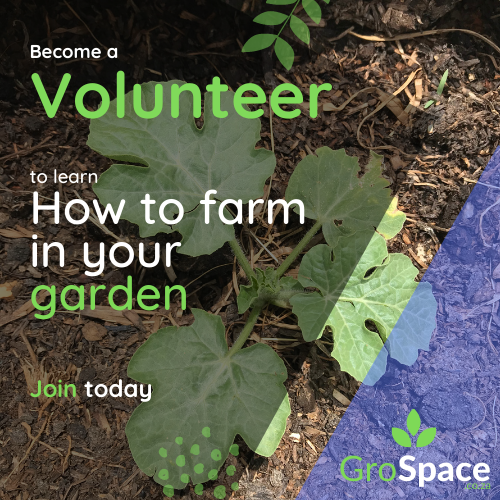
GroSpace – Sustainable farm training (2) 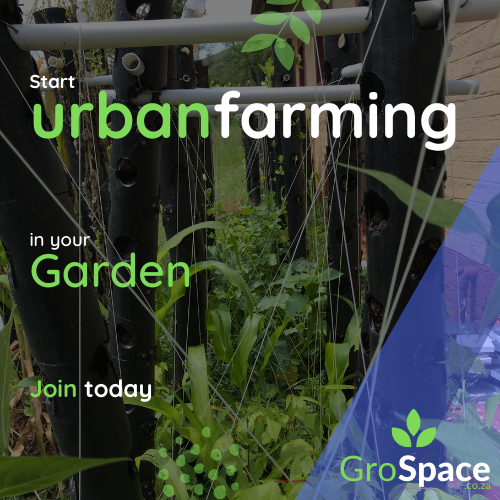
GroSpace – Sustainable farm training (3) 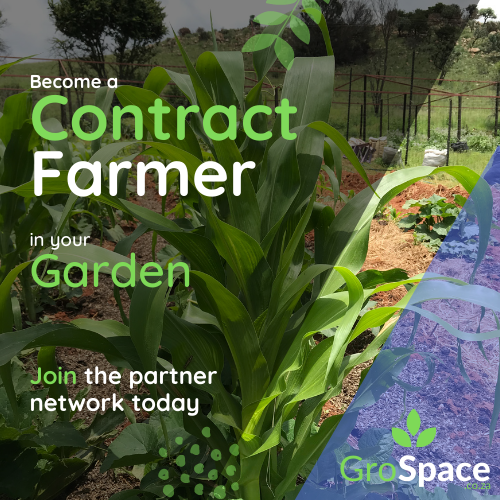
GroSpace – Sustainable farm training (4) 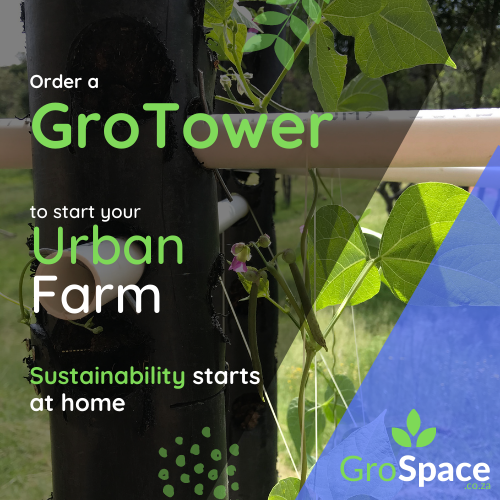
GroSpace – Sustainable farm training (5) 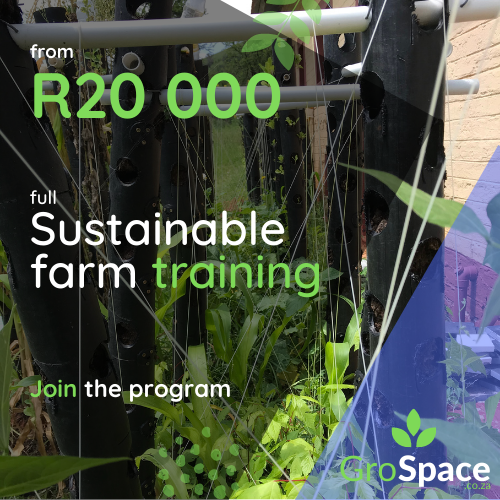
GroSpace – Sustainable farm training
Everyone is welcome here
Police clearance should be completed before you arrive preferably with a police clearance certificate in hand upon arrival.
Identity documents are a prerequisite to joining the farm training program. Without identification, applicants will not be allowed entry for security purposes. GroSpace protects the security of the environment surrounding training facilities. GroSpace holds the right to expel any applicant from the program if any form of security is breached by the applicant or the applicant is involved in any way with the security breach in question.
What do applicants need to bring to farm training?
Personal items for the farm training:
Applicants need to bring blankets, bedding, working clothing or overalls, food and cooking utensils. Basically what they would use to feed themselves at home. Applicants should also bring soap, washing powder and sanitary ware.
Farming items for the farm training:
If finance allows, each applicant should bring along, a hoe, a shovel, a garden fork, a wheelbarrow, a pair of gumboots, 4 pairs of heavy leather gloves, a scythe, an axe or chainsaw and a bush cutter with fuel.
What will the farm training cover?
Farming the GroSpace way is simple and sustainable. Farm training covers broiler chicken production on open pasture along with composting of manures and waste green organic matter. Farm training focuses on organic plant production, compost production and pasture-raised broiler chicken production.
Each trainee Grower will be allocated a working area of 400 square meters of land. Over a 4 month period, this 400 square meter area will be transformed into a fully functioning agriculture zone. We will go through everything from planting seeds, transplanting, cultivating the soil, layout of the planting garden, watering schedule, planting season, harvesting, seed storage. During this time, each trainee Grower will focus on marketing, packaging and logistics along with customer relations online and in person. Learn how to grow popcorn for profit. Learn how no-dig farming is changing the way we farm. Learn how to start a chicken business and how to feed your chickens on compost. Learn about Project Phoenix and also how to start a firewood business
What does farm training cost?
Full seed to harvest training and GroSpace certification costs R20 000. Farm training the GroSpace way should be free which is why we offer the volunteer program.
Volunteer program – farm training
The volunteer program allows volunteers to exchange their time and effort to cover training costs. Volunteer growers can start their training course without any money and walk away with the skills to start their own organic farming business within half a year.
What does the course cover?
- Seed-to-harvest best practices
- Soil Science
- Fertilisation
- Soil regeneration
- Livestock integration
- Crop rotation
- Finance and Accounting
- Budgeting
- Marketing
- Packaging
- Logistics
- Innovation
- Hydroponics
- Aeroponics
- Aquaponics
- Tooling and infrastructure
- Sustainability
- Permaculture
- Organic farming
How long is the farm training course?
The farm training course stretches across 8 weekend modules. This course is not the volunteer course which lasts for 12 months.
How long can volunteers stay in the farming training program?
Volunteers can stay for a maximum period of 12 months at a time after which they are encouraged to start their own GroSpace. During this time, volunteers will start their own GroSite on GroSpace.
What is a GroSite?
A Grosite is an online website hosted on the GroSpace marketplace. Here you can tell your story, share memories and record data on your experiments and experiences. You can sell your products and offer services. You can receive online payments, ship your products worldwide and all off this is prebuilt so that you can focus on marketing your business.
Do I get certified after the course?
Yes the course is certified by GroSpace. The course is specific for those looking to join the GroSpace Partner Network. GroSpace accredited growers are linked with new jobs and farming opportunities across the GroSpace Network.
Does GroSpace offer farm visits?
Yes, farm visits can be arranged at a nominal fee.
Does GroSpace offer accommodation for the duration of the farm training volunteer program?
Yes, GroSpace offers accommodation for volunteers.
How long is the GroSpace farm training program?
Farm training lasts for 12 months.
When is the next training camp?
Farm training is always open to a limited number of volunteers.
Where is the closest GroSpace farm training ?
We will allocate you to your closest GroSpace farm training facility depending on the address thhat you enter below.
How to apply as a volunteer for the GroSpace farm training course:
GroSpace Proposal – Project Phoenix
Executive summary – Project Phoenix
Introduction to Permaculture
Forestry – Priority 1
- Cut down alien invader tree species
- Replace each harvested tree with an indigenous tree or fruit tree along the border fences and in organised orchards
- Trees will be cloned by air layer method
Micro-Farming – Priority 1
- Fodder for livestock
- Leafy Greens on GroTowers
- Microgreens for poultry and human consumption
- Rotational camps
- Compost is dumped in a 10mx10m camp for chickens to forage and lay eggs in a mobile tractor coop
- Compost is distributed and sanitised by chickens who forage on the micro-organisms present in the compost
- Chickens add manure to the mix and this is called carbon sequestration
- No feeding cost for egg production and high quality of egg yield
- Incorporate livestock into different rotational camps and circulate the livestock every 2 days
Micro-farming training contract
Two individuals per GroSpace are required to be trained on site. After the completion of training each individual will be certified as a professional GroSpace grower. This certification will empower each individual to move between various GroSpaces and conduct professional service wherever said individual works.
GroSpace steps to succes – Plant, Water, Harvest
Plant
Seeds are planted according to a planned planting schedule.
How to plant seeds and seedlings
Depending on the seed, a GroSpace Grower should either soak seeds in water before planting directly into the GroTower. GroSpace Growers should refer to the planting guide for plant-specific information.
Water
Watering by upside down GroBottle will maintain a moist growing environment for each seedling, plant or tree.
How to mix GroTea for watering Seedlings
Mix a 1:1000 GroTea concentrate with water into the GroDrip for seedlings. Use borehole water if possible. If you use tap water let it stand for at least 1 hour in the sun to allow for the chlorine to break down else the chlorine will kill the micro bacteria in the GroMass. Maintain moisture in the GroMass for best sprouting results. Refill the GroDrip to maintain moisture.
How to mix GroTea for watering Plants
Mix a 1:100 GroTea concentrate with water into the GroDrip for plants. Use borehole water if possible. If you use tap water let it stand for at least 1 hour in the sun to allow for the chlorine to break down else the chlorine will kill the micro bacteria in the GroMass. Maintain moisture in the Gromass for accelerated growth and maximum yield. Refill the GroDrip to maintain moisture.
How to mix GroTea for watering Trees
Mix a 1:10 GroTea concentrate with water into the GroDrip for trees. Use borehole water if possible. If you use tap water let it stand for at least 1 hour in the sun to allow for the chlorine to break down else the chlorine will kill the micro bacteria in the GroMass. Maintain moisture in the GroMass for healthy root development and fruiting yield. Refill the GroDrip to maintain moisture.
How to water a GroTower
Place the GroDrip upside down into each GroTree. Refer to the instructions above for mixing GroTea.
How to water a GroBottle – Hothouse
Pour enough GroTea mix to moisten the GroMass. Refer to the instructions above for mixing GroTea.
How to water a GroBottle – Flip
Pour enough GroTea mix to meet the opening of the twist top so that the Gromass is in contact with water. Refer to the instructions above for mixing GroTea.
How to water a GroCanal
Place the GroDrip upside down into every fifth GroSite. Refer to the instructions above for mixing GroTea.
How to water a GroTree
Place the GroDrip upside down into each GroTree. Refer to the instructions above for mixing GroTea.
How to water a GroBed
Place the GroDrip upside down into each corner and place one GroDrip into the Centre of the GroBed. Refer to the instructions above for mixing GroTea.
Harvest
Harvest according to a harvesting schedule which is based upon the planting schedule.
How to Harvest Micro-Greens and seedlings
Simply snip microgreens close to the root mat with the appropriate cutting tool. Feed the root mat as fodder to your livestock. You can also Bukashi the root mat and consider feeding the root mat to your worms.
How to Harvest leafy Greens
Simply snip leafy greens close to young shoots to stimulate growth. Make sure to leave young buds unharmed however if the young shoots are snipped they will grow back with increased vigour.
How to Harvest Fruit from trees
Gently twist and snip with the appropriate cutting tool to seal and stimulate growth. Make sure to leave small and under-ripe fruit unharmed.
Woodwork – priority 2
Requirements
Tools
- Band saw to cut planks into size
- Wood planer for making planks
Medium scale farming – Phemi TBC
- GroCanals for fencing
- GroTrees for vertiponics over ponds and GroBeds
- GroBeds to save water
- GroShock Fencing for livestock camps
Aquaculture and Aquaponics
To teach and learn the tech behind IoT.
GroSpace builds urban farms and teaches young minds to build IoT devices using raspberry pi + modules to automate the urban farming experience.
The Autonomous system covers watering, feeding in the case of aquaponics and temperature control.
Requirements
Build basic round or rectangular fish tanks and earth dams with water run-off into hydroponic vegetable gardens to minimise fertilisation requirements and increase yield.
Tools
- TLB
- Rocks from the surrounding area
- Gunnite machine
Hydroponics
Hydroponic systems should be utilised to maximise yield
- GroTower vertical farm in a box
- GroCanals – vertical stacking wall
- GroBottle – Upcycled PET plastic twist top bottles
Vertiponics
GroTrees to be hung/stood in lines for maximum yield.
Poultry
- Free range poultry with chicken tractors
- Broiler Cobb 308, 708
- Layers
Piggery
Free-range piggery with GroShock electrified camps
Cattle
Free-range cattle ranch with electrified camps
Sheep
Free-range Sheep ranch with GroShock electrified camps
Goats
Free-range Goat ranch with GroShock electrified camps
Composting
Food scraps, wood shavings from forestry
Feeds free-range chickens on open pasture
Provides nutritious biomass for bio generator and for growing organic produce
Recycling
- Recycle all waste through separation and sorting
Upcycling
- Convert PET plastic bottles into GroBottles, GroBricks and drip water tanks for frere range camps
- Convert all feedbags into GroBags for growing rhizomes and tubers
Water saving
Harvest rainwater with GroTanks
Honey production
Use GroHive for catching honeybees and harvesting honey.
Sustainable Power Generation
Find any means necessary to produce power in the form of biodiesel, biogas, solar, wind, geothermal and hydro-electric. Utilise it to power implements, security and lighting throughout your space.
Biodiesel
Convert dirty cooking oil into biodiesel
Biogas
Convert biomass from cooking waste, compost and general organic waste into recycled methane which is burned and upcycled. GroBiogas is an excellent means of carbon sequestration.
Solar
Install SolarGrid panels to convert solar energy into stored potential energy to supplement electrical consumption.
Wind
Use a helically shaped set of GroTurbines to convert wind energy into stored potential energy to supplement electrical consumption.
Geothermal
Lay black pipes on hot surfaces to convert heat energy into electrical energy to supplement electrical consumption.
Hydro-electric
Convert moving water within pipes, that has been pumped from an underground source into electric energy and store in batteries to supplement electrical consumption.
Living space – design for purpose
Think about the seasons when it’s hot you need to be cool when it’s cold you need to be warm. Think about the wind direction think about the pitch of the Sun. Think about electrical supply as well as a location for a water source so that you have water pressure in the building to minimise electrical requirements for pumping
Securitisation
- Solar powered lights
- Movement sensors
- GroShock fencing to keep predators out & livestock in
- Set booby-traps
- Set alarm system
- Infrared cameras
- Raspberry pi network to set up Internet of things environment
- Autonomous turrets to ward off intruders
Maintenance
A maintenance contract is established to maintain the good working order of equipment, manage planting, watering and harvesting of GroTowers.
GroSchool
Christian Boarding school with Christian orientated camps during weekends and holidays
Entrepreneurship
Students are taught to develop a business plan. Students develop business plans and execute real-world businesses that are sustainable and profitable. Students are also encouraged to develop non-government organisations, nonprofit organisations and charities. Students that develop businesses and organisations of excellence are sponsored by GroSpace from whom they receive seed capital for growth. GroSpace invests up to 80% of the seed capital required for parabolic expansion and as such incubates such business ideas and develops them towards fruition.
Life coaching
Students are taught to think about the big picture. Students are taught to understand why they are doing any particular task. Students are groomed to be ladies and gentlemen of distinction.
Leadership
Leadership is a skill that students learn. Students are taught the art of leadership chivalry and honour.
Motivation
Students are taught motivational thinking. Students are taught about the impact that motivation has on their lives and the lives of people around them.
Free thinking
Students are taught the art of free-thinking and creative thinking along with critical thinking to make decisions that are logical.
IT – general literacy
Students are taught how to use a computer. General IT literacy includes the ability to utilise various operating systems text editors which include Google office suite, Microsoft office suite and Mac office suite.
IT – AI
Students are taught how to develop artificial intelligence and the application thereof in the real world. Students build AI robots and learning algorithms. Mind uploading is taught to students with the long term interest in the preservation of generational knowledge to support culture and remind the youth of ancient customs as it swiftly fades away whilst humanity enters the realm of the singularity.
We’ve always lived in a world where culture turns over with each generation. But what happens when the older generations never die, but remain just as active in society? There’s no reason to think that the living will have any political, economic, or intellectual advantage over the simulated.
Think of the jobs people have in our world. Many of them require physical action, and those are the jobs that will probably be replaced by automatons. Taxi driver? Publicly shared, self-driving cars are almost here. Street cleaners? Checkout operators? Construction workers? Pilots? All of these jobs are probably for the chopping block in the medium to long term. Robotics and artificial intelligence will take them over. The rest of our jobs, our contributions to the larger world, are done through the mind, and if the mind can be uploaded, it can keep doing the same job. A politician can work from cyberspace just as well as from real space. So can a teacher, or a manager, or a therapist, or a journalist, or the guy in the complaints department.
The CEO of a company, a Steve Jobs type who has shaped up a sweet set of neural connections in his brain that makes him exceptional at his work, can manage from a remote, simulated office. If he must shake hands, he can take temporary possession of a humanoid robot, a kind of shared rent-a-bot, and spend a few hours in the real world, meeting and greeting. Even calling it the “real” world sounds prejudicial to me. Both worlds would be equally real. Maybe the better term is the “foundation” world and the “cloud” world.Advertisement
The foundation world would be full of people who are mere youngsters – mainly under the age of 80 – who are still accumulating valuable experience. Their unspoken responsibility would be to gain wisdom and experience before joining the ranks of the cloud world. The balance of power and culture would shift rapidly to the cloud. How could it not? That’s where the knowledge, experience and political connections will accumulate. In that scenario, the foundation world becomes a kind of larval stage for immature minds, and the cloud world is where life really begins. Mind uploading could transform our culture and civilisation more profoundly than anything in our past.
Michael SA Graziano is a professor of psychology and neuroscience at Princeton University
Graziano, M. (2019). What happens if your mind lives for ever on the internet? [online] the Guardian. Available at: https://www.theguardian.com/technology/2019/oct/20/mind-uploading-brain-live-for-ever-internet-virtual-reality.
IT – Digital Marketing
Students take online courses and develop digital marketing skills to use to drive consumer engagement in their activities during and after their learning. Students are also encouraged to propagate media around GroSpace. Students market GroSpace through their learning and practical real-world training.
IT – coding
Students are taught how to code in python, Javascript, HTML, CSS, PHP and C#. These codebases will be updated to maintain a parallel line between modern codebases and the application thereof. Python is used for AI JavaScript HTML CSS and PHP are all used for web-based development. Python is an interpreted high-level general-purpose programming language. Its design philosophy emphasizes code readability with its use of significant indentation. Its language constructs as well as its object-oriented approach aim to help programmers write clear, logical code for small and large-scale projects. The HyperText Markup Language or HTML is the standard markup language for documents designed to be displayed in a web browser. It can be assisted by technologies such as Cascading Style Sheets CSS and scripting languages such as JavaScript. JavaScript is used for mobile development and web development. JavaScript is high-level, often just-in-time compiled, and multi-paradigm. C# is a general-purpose, multi-paradigm programming language.
Robotics
Students are taught how to code in python and how to develop robots. Students build robots and autonomous systems to improve the security and efficiency of the workplace through real-world applications. Through enhanced machine learning capabilities, robots gain increased autonomy, reducing the need for humans to plan and manage navigation paths and process flows.
Welding
Students are taught how to weld. Students maintain equipment through educational real-world projects.
Earth moving
Students are taught how to drive Earthmoving equipment. Students Drive earthmoving machinery to dig holes move earth and build foundations for infrastructure.
Farming
Students are taught the fundamentals of farming.
- Animal welfare
- Feeding
- Watering
- Housing
- Planting
- Watering
- harvesting
- Crop protection
- Technological practices to drive sustainability through innovation and efficiency
- Marketing and sales
Visit the link below to learn all about how to regenerate soil through carbon sequestration and natural micro-biome development.

Farming Pecan nuts
Consider farming Pecan nuts with pecan orchards under irrigation on 40Ha of land in the North Eastern Corner of the Magalies retreat Property. Consider deep ripping along contour lines and dumping windrows of compost or horse manure which is abundant in the area. There are 2 horse farms in the area, one next door and the other 2km down the road. Both produce around 1.5 cubic meters of manure weekly. By planting the trees into berms made from dumping compost/manure in windrows along contour lines, this will encourage excellent early root development and minimise water requirements.
IEB
Students are taught the IEB syllabus which is for primary and high school learners. The IEB syllabus is a private syllabus in South Africa. This is the preferred syllabus due to the depth of teaching and knowledge that students are exposed to.
Practical training
Students are taught with practical training along with theoretical training.
Benefits:
- Real world understanding and practice of what is learned in the classroom
- Better understanding of lessons learnt in the classroom
- Practical application of lessons that in the classroom
- Understanding why you’re learning a specific topic
- Increase productivity for the entire ecosystem
- Lessons that are practised and perfected are the lessons that are remembered
Woodwork
Students are taught woodwork. Trees are felled in the local area. The felled logs need to be processed into manageable workable shapes and sizes. Students learn to use different wood-based machinery to make furniture and structures that add value to themselves and to the sustainability of the eco-system where said structures are built.
Benefits:
- Upskilling in woodwork
- Learn to use a bandsaw
- Learn to use a chainsaw
- Learn to use a wood planer
- Learn to build furniture
- Learn to build structures with wood
Christianity
Students are taught about Christianity and the grace of God through Christian orientated learning. Church service takes place weekly. Prayer opens and closes meal times. Wonderment and questioning are encouraged to develop faith in the Lord Jesus. Bible study is a subject of study for all students.
Benefits:
- Learn about the grace of God
- Learn to appreciate what God has given to every living creature on Earth
- Learn the lessons offered in the Bible
- Learn to behave with grace throught the Christian principles described in the Holy Bible
- Learn about how to give your life to the Lord Jesus Christ our saviour
- Learn about charitable works of kindness and enlighten your soul
- Learn to live a happier life
Steel work
Students are taught the art of steelwork. Students are exposed to the industry standards surrounding steel and machining steel. Students are taught the physical principles that allow for heating, bending and moulding steel. Students are taught how to make steel structures and how to work with steel.
Benefits:
- Learn an understanding of the steel industry
- Learn how to work with steel related machinery
- Learn how to bend steel
- Learn how to mould steel
- Learn how to cast steel
- learn how to drill thorugh steel
- Learn how to recycle steel
Mechanic work
Students are taught about engines, gearboxes and other mechanical work. Students are taught how machines work. Students are taught how to build machines. Students are taught how to clean machines. Students are taught how to work with machines.
Benefits:
- Learn how to work with a motor
- Learnhow to work with a gearbox
- Learn how to clean a machine
- Learn how to build a machine
- Learn how to seal a machine
- Learn how to maintain and fix a machine
Sustainability
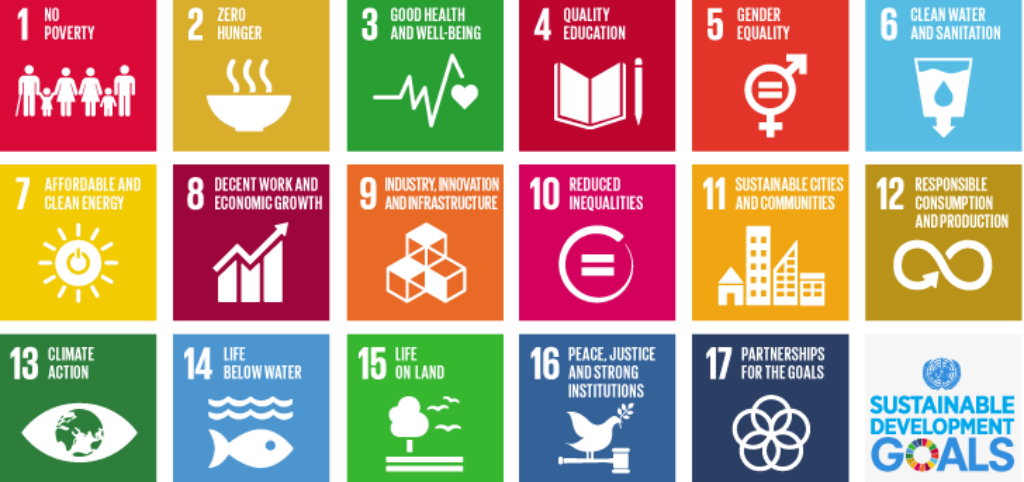
Students are taught sustainable skills to improve their lives and the environment that they are involved in. Students are taught to recycle, upcycle and repurpose material that is generally considered waste. Students are taught full-circle thinking. The Sustainable Development Goals or Global Goals are a collection of 17 interlinked global goals designed to be a “blueprint to achieve a better and more sustainable future for all”. The SDGs were set up in 2015 by the United Nations General Assembly and are intended to be achieved by the year 2030.
Benefits:
- Clean the environment
- Build with sustainability in mind
- Learn to recycle, upcycle and repurpose materials
- Make more money by thinking sustainably
- Learn how to backward integrate
- Learn how to think about real world problems and develop sustainable solutions to problems
Recycling + Upcycling
Students are taught about recycling and upcycling. Students are taught to use whatever materials are in their environment to make something more valuable. Students are taught the value of recycling materials that otherwise would have ended up in landfills. Students are taught how to recycle at heart is there an upcycle materials that have been recycled into farming practices and many other applications.
Benefits:
- Learn what materials can be recycled
- Learn how to up cycle
- Learn how to up cycle materials in your area but otherwise would have no value
- Learn how to build a business through reciting and up cycling
Permaculture
Students are taught about the various aspects surrounding permaculture. Students are taught full circle holistic thinking and students are encouraged to develop permaculture designs for their own personal spaces. Students are taught to put develop project plans. Each project plan developed by a student is utilised and implemented in real-world systems. The systems are showcased as use case scenarios to encourage further engagements in the permaculture space. Students that exhibit exceptional talent in the development and execution of permaculture project plans are shortlisted into the GroSpace permaculture team. This action drives job creation and sustainable business development.
Benefits:
- Learn about Permaculture
- Learn why Perma culture is necessary for future sustainability
- Learn how to develop project plans
- Learn how to execute project plans
- Learn about Grospace permaculture
- Learn how to save soil and generate abundance
Theology
Students are taught about different religions so that they feel secure and make wise decisions regarding their Christian learning environment. By teaching students aspects of all theological principles, they can learn the humility required to evangelise people and save their souls for heaven.
Job creation + Entrepreneurship
Students that show exceptional talent, dedication and hard work are shortlisted for jobs and their business plans are open to a panel of business professionals where they are encouraged to look for financial investment for their future business plans. GroSpace is a place to grow and develop people and sustainable businesses. GroSpace invests in job creation and sustainable business ventures. Students are taught how to look for funding, how to develop a business plan, how to develop a project plan, how to develop a rollout strategy and how to develop a marketing strategy. Students are taught about accounting and finance as well as taxation and economics.
Benefits:
- Learn how to work hard
- Learn about discipline
- Learn how to run a business
- Create a business with seed funding and incubation
- Create jobs for postgrad students and build entrepreneur through business operation
- Earn money post graduation with a pipeline to potential jobs
Digital marketing
Postgrad students manage marketing campaigns to promote Grospace along with business ventures that GroSpace invests in through the GroSchool program.
Sustainability
Students engage in sustainable activities through the GroSpace Partner Network. These activities include teaching sustainability to schools of young people looking to enter the world. Their minds are fresh and receptive to a change of the status quo. Post Grad students are given the opportunity to travel and find new GroSpace Partners for the weGro4U campaign. Post Grad students Are encouraged to get involved with recycling, upcycling and evangelism.
Web development
Students that show exceptional skills are encouraged to develop their own websites and web platforms. This gives each post-grad student the opportunity to hone their skills post-GroSchool. GroSpace encourages post-grad students to join the web development department to build web based software for functionality and compelling design.
Writing
Students are taught how to write excellent stories, poetry and academic papers that are relevant. Postgrad students are encouraged to join GroSpace and write about what they are interested in.
Copy writing
Students are taught how to write excellent copy for their websites and post-grad students are encouraged to join GroSpace where they write about their interests in a manner that is captivating and share-worthy.
Course creation(digital)
Students are taught how to create courses to teach other students. Post Grad students are encouraged to join ThinkBrainwave where they can tutor online and in-person and earn money. Postgrad students can also engage in developing course material to earn from subscribers.
Volunteer program
GroSpace invites volunteers from around the world to visit and volunteer for a paid program similar to students engaged in the GroSchool program. The volunteers manage extramural activities, outings, school camps and they teach the local students about where they come from. Clap Global helps out with attracting relevant travellers.
Kibbutz(International only)
International volunteers will pay for a kibbutz experience to dive deep into the principles behind Kibbutz. Kibbutz life involves several hundred people who work together for the benefit of the community as a whole and all profits are shared. The kibbutz could be quite industrial and have one or more factories on-site, or it could be purely agricultural, or even a mixture of both. Live in peace and harmony and teach others love and grace.
Pipeline to training
Volunteers are given extensive training through online courses before they arrive at the volunteer program. This gives each volunteer some prior context for their activities during the volunteer program so that they can make logical decisions before joining the volunteer program.
General maintenance
Volunteers maintain tools and equipment whilst supervising the students and they engage in training of the students. This generates a friendly yet respectful bond.
How to sell on the GroSpace platform?
Do you want to earn more money? Do you dream of financial freedom? Do you like the idea of a low-risk high reward business?
Here is what you need to do to become rich.
Start a business today with GroSpace – here is how.
Time needed: 1 hour
How to start a business online at no cost
- Register for a GroShop
A GroShop is an online shop where you can sell products to people on the internet. Become a vendor
- Select a product
Choose a product that you want to sell
- Load this product onto your GroShop
Here is how to add a product to your online store
- Get customers aware
Start marketing your product via social media and word of mouth to your friends and family first. If you have an existing customer base, consider sharing the link to your GroShop which hosts all of your products and offer a coupon code.
- Create interest
Post updates to your friends and family about your product and let them know about your progress. Make sure to use social media to help you create interest or your products. By marketing on Facebook, you should use your GroShop link. The idea with GroSpace is to streamline your sales, ordering + delivery. These 3 steps are key players in your business. When the system starts to see traction in sales, your products are automatically promoted to the top of the list and you will be granted access. You need to market your products to activate the trading algorithm. Either offer a ridiculously low price incentive that will give you an edge over your competitors and secure new customers for you. You can even offer bundles that make the buying experience simple and easy for each customer. Think simple, think lazy customer, think convenience.
- Establish demand
When someone asks for the price they want whatever it is or what can be done in the case of a service. This is a great time to share a link directly to your products, instead of sharing your price on the internet randomly, keep the price on your GroShop, funnel your buyers from wherever you are marketing onto your GroShop. GroSpace uses cookies to track your GroShop visitors interests. This way, GroSpace can start using retargeting techniques to encourage visitors to return to your GroShop automatically with coupons and great subsidized offers.
- Sell
If the price is right you will sell, if it is not the right price then consider doing a market survey to find out why you are not selling and if the price is too high, consider adjusting it.
- Package
Make sure to package your product properly so that it is both appealing to the eye and safe from damage during transit
- Ship
Arrange for courier, shipping or make the delivery yourself.
- Print the shipping waybill and stick it onto your package
Make sure that you label your packages well and be sure to include a fragile sticker in the case of fragile contents such as fertile chicken eggs
Growing Potatoes – How to grow potatoes
Potatoes are nutritious and very profitable to farm
Estimated reading time: 2 minutes
Time needed: 90 days
Grow potatoes for profit and for pleasure
- Fertilise and compost
No dig – Amend your beds with an organic fertiliser/compost
For chem fertilisation (which we do not promote), use 250g/ 0.5lbs or one handful per 1m length of a furrow. For kraal manure and organic compost, you can apply freely from as little as 1kg/ 2lbs upwards per square meter. 3kg/6lbs per square meter is advisable. - Prepare the ground – Tilling
Plough the soil – Harrow after ploughing for a smooth finish. Remove rocks, stones and break up sand clods into smooth soil. Prepare furrows 15cm/ 6 inches deep and 1m/ 3 feet apart.
- Plant seed potatoes
Purchase seed potato tubers and plant seed potatoes about 30cm/1 foot apart in the furrows that you have prepared. Cover seed potatoes – form a ridge or hill on top of the seed potatoes.
- Watering Week 1-3
Water daily – sprouts should show after. 7-14 days depending on the depth at which you planted the seed potatoes
- Week 3-12
Potato sprouts will grow voraciously if they are not diseased, well-watered and receive full sunlight for at least 6-8 hours per day. When sprouts reach 30cm/ 1 foot cover 2/3 of the plant to protect potatoes/spuds from being exposed to the sun. The exposed potatoes will turn green and become inedible.
- Week 12+ Harvest
It is time to harvest when your potatoes/spud plants die. Do not waste any time, get them out of the ground making sure to avoid bruising the potatoes and place them into storage with their soil jackets. This means that you should resist the urge to clean the harvested potatoes.
- Grow potatoes in containers and in GroBeds
Follow this link to our friends at The Spruce to read more about growing potatoes in containers.
- References
Farmers Weekly, University of Pretoria(Onderstepoort), Potato Seed SA
- For more info
Email potatoes@grospace.co.za
Phone/Whatsapp 0713344556
GroSpace – Summer vegetable planting guide
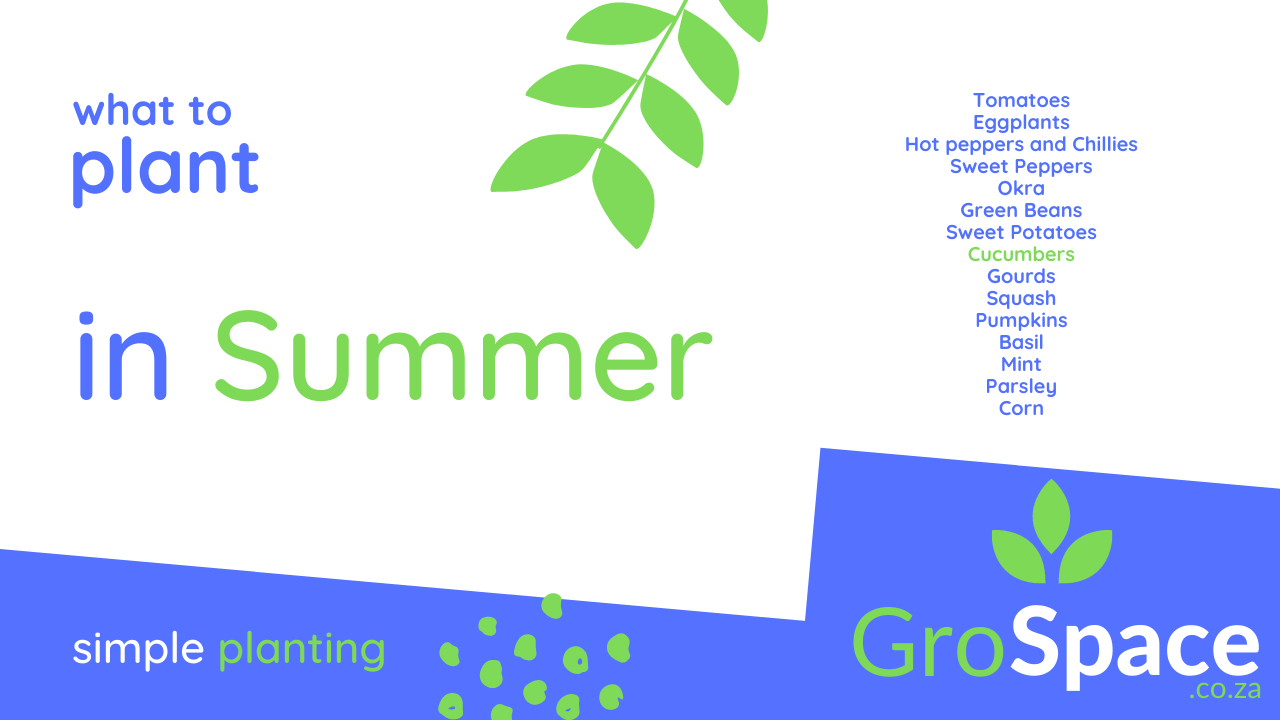
Summer vegetable planting guide – 15 vegetables you should grow this summer
Number one: Plant Tomatoes in summer
Every gardener loves to grow tomatoes and it is a no-brainer to grow tomatoes in summer. We recommend growing heirloom tomatoes along with cherry tomatoes and yellow pear Tomatoes. These tomatoes are absolutely delicious!
- Tomatoes
- Cherry Tomatoes
- Heirloom tomatoes
- Yellow pear tomato
What are Determinate tomatoes? What does Determinate mean?
The determinate variety of tomatoes produce tomatoes all at once.
What are indeterminate tomatoes? What does indeterminate mean?
Indeterminate tomatoes keep producing all summer long.
Number two: Plant Eggplants in summer
There are many different varieties of eggplants. Eggplants grow throughout the summer and keep producing up until Autumn/Fall. Eggplants are really good roasted.
Number three: Hotpeppers/Chillies
You must grow chillies or hot peppers in summer. Chillies are very easy to grow most varieties peak at about three feet which are 1m tall. Chillies have almost no pest problems once the plants establish. You will be able to harvest lots of chillies all throughout the summer.
Number four: Sweet Peppers
You can also grow sweet peppers in summer. The sweet pepper, capsicum or bell pepper are different names for the same plant group, depending on the part of the world you’re from. Bell peppers can be very difficult to grow depending on your soil and nutrient levels. Plant bell peppers in your garden with lots of compost and harvest and enjoy bell peppers all summer long.
Number five: Okra
Not many gardeners grow okra however okra is very easy to grow. Make sure to plant okra in soil containing some compost. Plants are indeterminate – which means a continued supply of okra all throughout the summer, as long as you keep picking regularly. Okra is really good stir-fried.
Number six: Green Beans
Green beans are one of my favourite vegetables to grow in summer. Most green bean varieties produce green beans determinately – ie they come all at once so plant in succession at two week intervals with this method you will have a continuous supply of green beans all throughout the summer.
Number seven: Sweet Potatoes
Sweet potatoes don’t grow like potatoes. Sweet potatoes belong to the morning glory family of plants and you must grow sweet potatoes from slips. Grow slips for about four to eight weeks and then plant slips in your garden. Sweet potatoes will take another four months to harvest from the time you plant sweet potato slips. You will have alot of sweet potatoes by Autumn/Fall.
Number eight: Cucumbers in summer
You can grow many different varieties of cucumbers during summer. I love to grow English cucumbers and I love snacking on these; they’re so good I can just eat it off the plant. They’re amazing.
Number nine: Gourds
All gourds are very easy to grow in summer. I like to grow bitter gourd it’s extremely bitter however it is very good for your health.
Number ten: Squash
Squash grow like crazy and summer squash plants can grow really large so make sure you give them enough space to grow.
Number eleven: Pumpkins
Pumpkins also grow really well in summer. Pumpkins take about three to four months to harvest so for the northern hemisphere plant in June to harvest by Halloween, in the Southern hemisphere, plant from September and you’re likely to get a double harvest by the end of April.
Number twelve: Basil
Basil is very easy to grow. Space basil at about one foot(30cm) apart and prune basil for much bigger and bushier plants. Basil will keep producing up until the weather gets below 50 degrees Fahrenheit or 10 degrees Celsius at night. Basil will also grow well in shade or partial shade. Basil is one of the most popular herbs to grow and every gardener should grow basil to add to soups, salads, pasta and sandwiches. Basil and tomatoes grow very well together. They also cook verty well and we give them the 10/10 coomplimentary award 🏆.
Number thirteen: Mint
Mint is a perennial – all-year-round growth – in most climates. It will die back in winter and start growing again in spring and all summer. Be careful where you plant mint, it grows like a weed. Plant mint in a very confined space such as a raised bed – otherwise mint will overtake your garden. Plant mint in shade or partial shade. Full sun makes the mint leaves a bit tough. Planting in shade keeps the leaves bigger and softer.
Number fourteen: Parsley
Parsley is another herb that does really well in summer. Start parsley from seed indoors and then plant parsley outside in your garden in summer. Parsley is a grerat natural preventative for smelly breath from garlic.
Number fifteen: Corn
Most of corn is heavily genetically modified. Make sure you plant organic non-GMO corn seeds and plant seeds directly in your garden. Corn takes about three to four months(90-120 days) to harvest and tastes more delicious than any store-bought corn.
Summary: Summer planting guide
- Tomatoes
- Eggplants
- Hot peppers and Chillies
- Sweet Peppers
- Okra
- Green Beans
- Sweet Potatoes
- Cucumbers
- Gourds
- Squash
- Pumpkins
- Basil
- Mint
- Parsley
- Corn
Thanks for reading – let uus know in the comments if you would like us to add more 👍😊